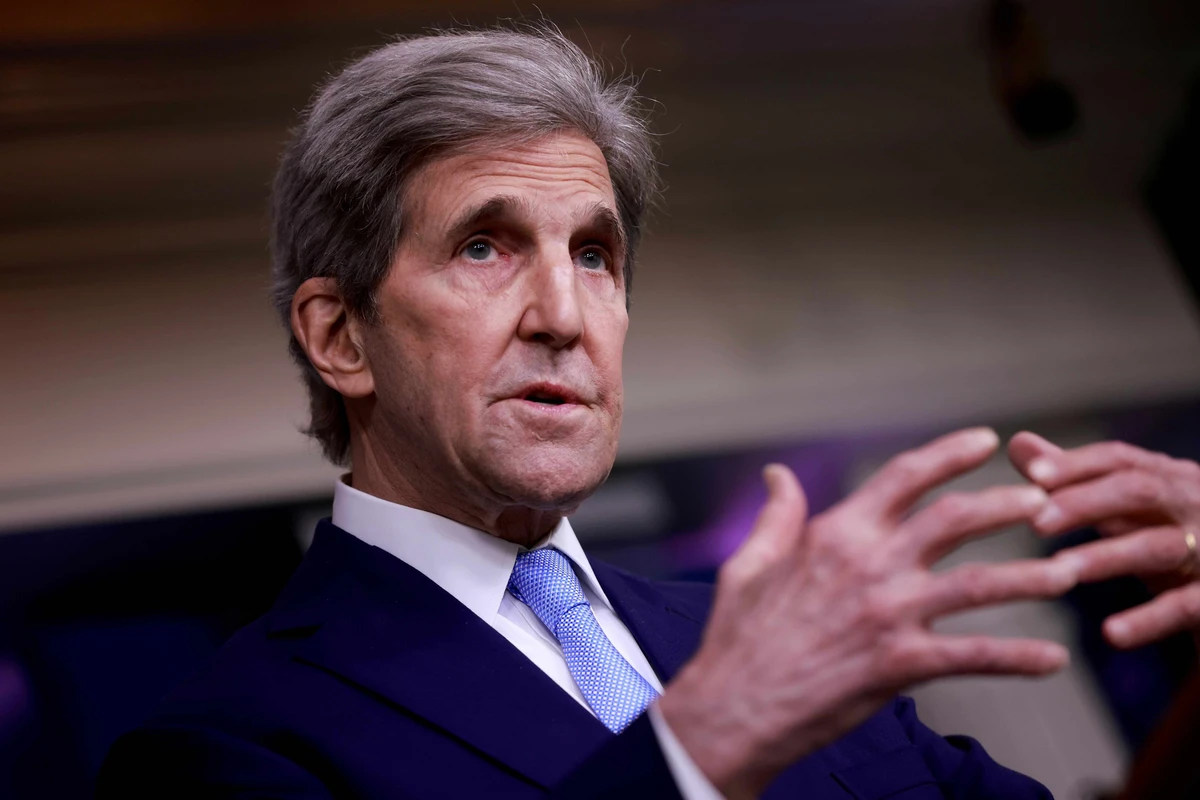
RIYADH: The UN Climate Change Conference 2023, known as COP28, aims to progress global interests, according to US Special Presidential Envoy for Climate John Kerry.
In a pre-conference media briefing held a day prior to the event, scheduled in Dubai from Nov. 30 - Dec. 12, Kerry emphasized the conference’s dedication to making substantial strides in addressing the challenges posed by climate change.
“I have hopes that we are going to make more progress here (in COP28). There is no misunderstanding among the delegations that are coming here that this needs to be very serious and productive,” Kerry said.
Kerry emphasized the universal importance of the conference, remarking, “We intend to do our best to advance the interests of everybody on the planet.”
He continued by stressing a key concern, emphasizing the worldwide challenge posed by methane, which accounts for nearly half of global heating.
Kerry also highlighted the US’ significant investments in reducing methane emissions, noting collaborative efforts with other global leaders, including China.
Moreover, Kerry underscored the crucial role of Africa in advancing environmental resilience, acknowledging the continent’s significant contributions to global climate change mitigation efforts.
“Africa is among the hardest hit. It is the least contributor to the problem, so I think we all sense a very special relationship there. That is why, President Biden launched the Emergency Plan for Adaptation and Resilience that will help half a billion people in developing countries, especially Africa,” he said.
Announced at COP26, the Emergency Plan for Adaptation and Resilience, endorsed by Biden, brings together the diplomatic, development, and technical expertise of the US to help more than half a billion people in developing countries adapt to and manage the impacts of climate change by 2030.
“We intend to be a strong partner for African countries or adapting countries to climate impact,” Kerry added.
He underscored the existence of vast financial resources, amounting to trillions of dollars, which are currently underutilized or “sitting on the sidelines.”
He attributed this underutilization to various factors, including perceived risks and other market perceptions that hinder the mobilization of these funds toward critical climate initiatives.
His comments highlight the need for a concerted effort to unlock these substantial financial reserves, directing them toward sustainable development and climate resilience in regions most needing such funding.
“We look forward to working with the World Bank for some of the new finance structures that are going to make it much more possible to develop alternative renewable energy choices,” he said.
“I think that COP28 Dubai is going to produce a pretty healthy menu of possibilities on the finance front,” Kerry added.