- Kaja Kallas rejects accusations of selective justice over bloc’s approach to Ukraine, Palestine
- ‘Accountability can’t be selective or else the entire system is called into question’
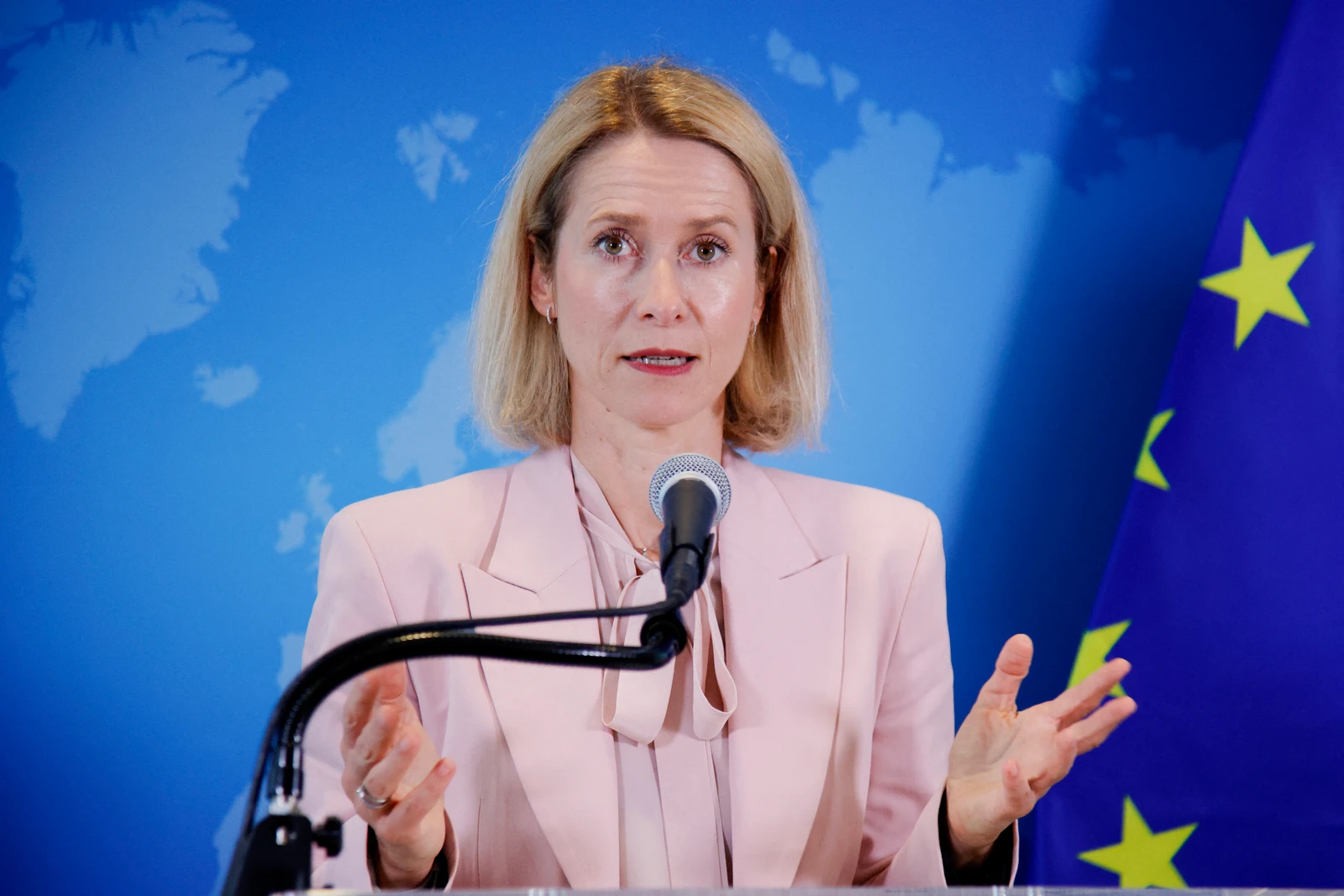
The EU is prepared to draw on measures already at its disposal to defend the International Criminal Court should pressure tied to its Gaza-related warrants intensify further, while working to rally broader global backing for the institution, the bloc’s foreign policy chief told Arab News on Monday.
“The ICC is under attack, that’s very clear,” Kaja Kallas said. “We’ve been very clear in our statements of support to the ICC. We have the tools in our toolbox when it gets really serious how to defend the ICC, and here we are rallying countries behind supporting the ICC … because it’s not only a European issue — it’s much broader than that.”
She rejected a separate charge of selective justice after Arab News asked why the EU has pursued a special tribunal for the crime of aggression against Ukraine but not a similar mechanism for Gaza, and whether Brussels’ continued economic and political ties with Israel constitute the selectivity she has warned against.
Kallas drew a legal distinction between the two situations. “International humanitarian law is very clear, but it also needs to have accountability. Nobody should be above the law,” she said.
The crime of aggression — one state attacking another — cannot be prosecuted through existing courts and required the tribunal that the EU has backed for Ukraine, while war crimes such as targeting civilians “can be really prosecuted by the judicial systems in that country or by the ICC,” she added. “If that works, and hopefully we get this rolling, then it could be also a good example for others.”
Kallas spoke to Arab News after addressing a UN event on humanitarian diplomacy earlier on Monday, where she said the ICC’s independence has become a test of commitment to the postwar legal order, and warned that “impunity breeds impunity” across conflicts from Ukraine and Sudan to Palestine.
She cited an EU review of its own compliance with humanitarian law, and said Brussels has backed war crimes documentation in Syria and helped establish a UN-led inquiry in Afghanistan.
On Gaza, she said it is essential that evidence of potential war crimes not be destroyed as rubble-clearing efforts begin, adding that “accountability can’t be selective or else the entire system is called into question.
The EU approved sanctions on violent Israeli settlers in May after Hungary dropped its block on the measure.
Kallas has since pushed member states toward suspending preferential trade terms under the EU-Israel Association Agreement, a step that requires a qualified majority still lacking among the bloc’s 27 governments.