Saudi scholarship students in America fall by 40,000

Updated 13 April 2016
Follow

Saudi scholarship students in America fall by 40,000

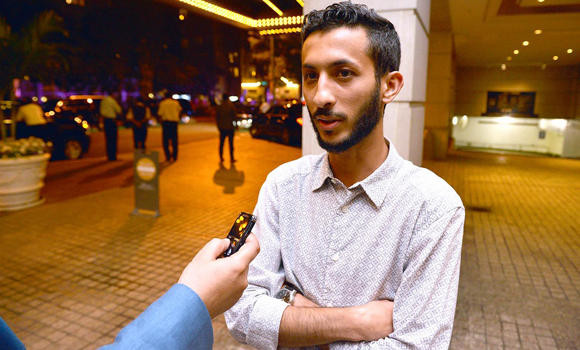
JEDDAH: The number of Saudi students studying in the United States has fallen from 120,000 in 2015 to 80,000 in 2016 largely because many have graduated and returned to the Kingdom.
This is according to Mohammad Al-Isa, cultural attaché in the United States, who said that this was the figure for 51 states. He said the scholarship program has been reevaluated but would continue to provide opportunities for Saudis to study abroad, a local publication reported.
Al-Isa said his office was responsible for ensuring Saudi students are admitted to the best universities in the United States, including Ivy League institutions such as Harvard and Stanford.
Al-Isa said there was no room for laziness, with those failing to work being sent back to the Kingdom with nothing to show for their time overseas. The program was being amended to include some of those studying in the United States at their own expense, he said.
The scholarship program made great strides in ensuring scholarships in various disciplines, he said. In the medical field, Saudis were currently being trained at important medical centers including Jones Hopkins and Mayo Clinic.
In addition, outstanding students producing groundbreaking work now have a major law office, hired by the Saudi government and specializing in patents, to protect their rights. The number of patents filed by Saudi students has risen from 60 to 300, said Al-Isa.
He said that Saudis are encouraged to return home after obtaining their certificates. If students want to pursue their academic careers further, they can do so through one of the 37 universities in the Kingdom. For those who wish to engage in practical work, it would be the best to return home and find jobs, he said.
He said Saudi scholarship students mainly face problems with the immigration department when they move from one university to another without consulting the cultural attaché and official United States bodies, or if their visas expire.
The cultural attaché’s office has social activities and educational and awareness programs to warn them about going to places where there is unrest, or getting involved in political discussions.
Al-Isa criticized Mohammed Al-Nimr, 29, so of Nimr Al-Nimr who was executed along with 47 terrorists earlier this year, for giving an interview with a United Kingdom newspaper and other media outlets that accused the Kingdom of human rights abuses.
Al-Isa said that Mohammed Al-Nimr had only started making these “extremists comments” after he graduated from a university in the United States. These views did not harm the Kingdom in any way, only the citizen himself, said Al-Isa.
On a related matter, David De Maria, assistant dean for international programs at Montana University, said the number of students coming from Saudi Arabia has fallen, which was unfortunate because it would deprive the two nations of developing closer ties.


A month of festivities from Diriyah to Jazan

Updated 7 sec ago
Follow

A month of festivities from Diriyah to Jazan

  • Alongside worship, locals and visitors are exploring exhibitions, souqs and cultural experiences

RIYADH: As daylight hours quieten during Ramadan, cities across Saudi Arabia are coming alive after sunset with a surge of markets and bazaars that blend commerce, culture and community. 

From Diriyah to Jazan, seasonal events and historic souqs are drawing crowds with traditional foods, local crafts and late-night programming that reflects the Kingdom’s enduring trading heritage.

In the Kingdom’s capital, Ramadan markets offer so much to see and do that residents and visitors must be strategic when scheduling visits across the city.

At the historic site of Diriyah, the Diriyah Biennale Foundation welcomes the return of its annual JAX Ramadan Market, which runs until Saturday, March 7. The market offers something for every visitor, blending local cuisine with immersive cultural programming and creative activities.

Visitors can sample Ramadan favorites such as jareesh, saleeg, luqaimat, mutabbaq, and sambusa while enjoying storytelling sessions, traditional games, and intricate henna artistry.

Nouf Al-Sayeed, who grew up in Unaizah before moving to Riyadh, highlighted her experience visiting the Ramadan markets in the capital. 

“Diriyah’s (JAX) Ramadan market is one that I look forward to every year, after Taraweeh I go with my friends and we jump from food stall to food stall sampling all the Ramadan foods like gemmat, Vimto drinks, and fun modern twists on traditional favorites … we once had a fried risotto jareesh ball which was a new twist to a beloved classic,” Al-Sayeed told Arab News. 

In Riyadh’s business hub, the King Abdullah Financial District has unveiled “KAFD Ramadan Nights.” The event features live entertainment, local boutiques showcasing homegrown products, and storefronts serving traditional teas, all centered around a Ramadan tent offering authentic local dishes.

Looking to the east, the eastern province’s Ithra by Aramco’s  “Lights of Ramadan” is an artistic and interactive experience featuring lantern-making workshops taking place until March 17.

Meanwhile, in Al-Ahsa, the historic Al-Qaisaryah Market streets are decorated with lights and lanterns, showcasing a heritage-inspired atmosphere for Ramadan. The market covers an area of 7,000 sq. meters with 14 entry gates and more than 422 parallel commercial stores. Its open corridors welcome a flood of visitors each night to shop for local products and Ramadan favorites after prayer.

Similarly, Qassim’s Al-Musawkaf Market, located nearby Al-Bassam Heritage House in Unaizah, is a permanent fixture that offer a distinct experience during Ramadan. The area features decorated streets, seasonal pop-up storefronts, and late-night bites for quick shopping. Visitors go to experience traditional crafts, local dishes, and traditional Najdi architectural styles.

Al-Sayeed said the market is “a home of culture, family, simplicity, and traditional Saudi trade and business,” and added: “It’s one of the oldest markets, and a nice escape from the busyness of Riyadh.” 

The Basta Khair event in Jazan, hosted by Jazan Region Municipality at the Sunset Waterfront, brings together local artisans, chefs, and performers to underline the artworks and handicrafts that embody the Kingdom’s cultural heritage.

Speaking to the Saudi Press Agency, Mayor of Jazan Region Yahya Al-Ghazwani said that the initiative, now in its second season and running until the end of Ramadan, supports and empowers families and street vendors by providing an organized and safe environment to display their products. 

“This enhances the stability of their businesses and improves the quality of services provided,” he said, adding that it supports the local economy, creates job opportunities for citizens, and enables creators and small business owners to showcase their products. 

Ramadan spirit is also high in the holy cities with festivities for visitors and locals alike. According to SPA, festivities are credited with driving much of the increase in economic activity for Makkah and Madinah during the holy month.

Madinah is welcoming Ramadan with a variety of festivities that embrace the city’s holy history, Islamic education, and art. Many of these can be found through WeBook.

On Feb. 23, the “Evening of the Three Literati” brought together the writers Abdullah Al-Anzi, Faisal Al-Shahrani, and Hosni Malek to celebrate the holy city’s culture. The event was part of the larger Al-Madinah Winter Evenings program. 

Islamic activities include experiences of Islamic history such as the Creation Story Museum and the International Fair and Museum of the Prophet’s Biography which provide immersive journeys. Both feature interactive exhibits and storytelling. Entry tickets range from SR30-40 ($8-10.60).

Celebrating the history of Islam comes paired with appreciation for the arts in Madinah where initiatives like the Prince Mohammed bin Salman Global Center for Arabic Calligraphy, which offers an experience that gives insight on tracking history of Arabic Calligraphy within the Islamic world, including its importance in the Qur’an.

For those looking to explore historic Islamic destinations, the Bustan Al-Mustadal and The Journey to Quba and Al-Bustan are both affordable experiences (SR15-25) that provide historical aspects to fundamental Islamic stories.

For those visiting Madinah during Ramadan and looking for something more local, Al-Hayy District brings together modern and century-old aesthetics. The district is just a 20-minute walk from Masjid Al-Nabawi and brings locals and visitors together to celebrate Ramadan with decorations, lights, and nasheed gatherings.

In Makkah, there are many traditions that welcome visitors. Speaking to Arab News about places to visit in Ramadan, Abdullah Oraif, a regular Makkah visitor, said: “One of my favorite parts is to wrap up prayers and taraweeh with enjoying some of Makkah’s traditional treats, such as laddu delights, labania, and hareesah, which are nostalgic flavors for natives in Makkah and worth a try for visitors and pilgrims.”

He added that there are also traditional drinks in Makkah that are festive for Ramadan season such as sobia and zamzami.