RIYADH: The dismantling of a cluster of cells established by Daesh in the Kingdom by the Saudi security forces has unraveled many diabolical plans of the terrorist group, which had chosen Sharourah near Najran as a base camp.
The Sharourah camp was set up for imparting training to misguided youths and coordinating attacks on the Kingdom, Interior Ministry spokesman Gen. Mansour Al-Turki was quoted as saying by SPA.
Some of the Saudi terror suspects, who are linked to Daesh and hiding in Yemen, were in close contact with the busted cells. In an operation extending over weeks, the Saudi security forces arrested 431 members of the cells.
“Of those arrested, 144 were involved in spreading deviant thought via the Internet, recruitment of cadres and dissemination of misleading propaganda,” he said.
With the busting of the cells, Saudi Arabia foiled attempts to create chaos in the Kingdom and incite sectarian strife, the spokesman said, adding that lone-wolf attacks were part of the terror plan.
Most of those arrested are Saudi citizens, and some are Yemeni, citizens of Egypt, Syria, Jordan, Algeria, Nigeria and Chad, he said.
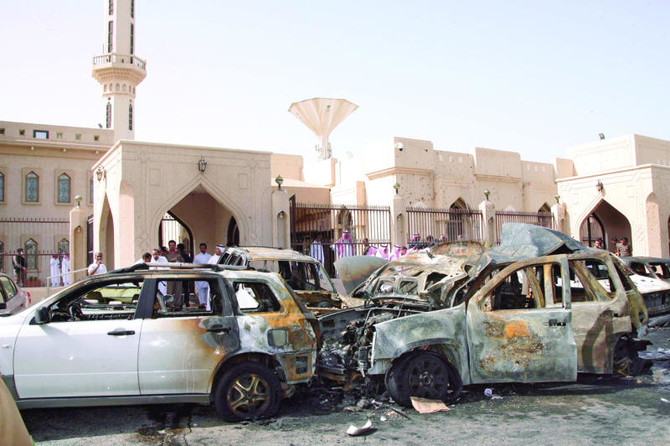
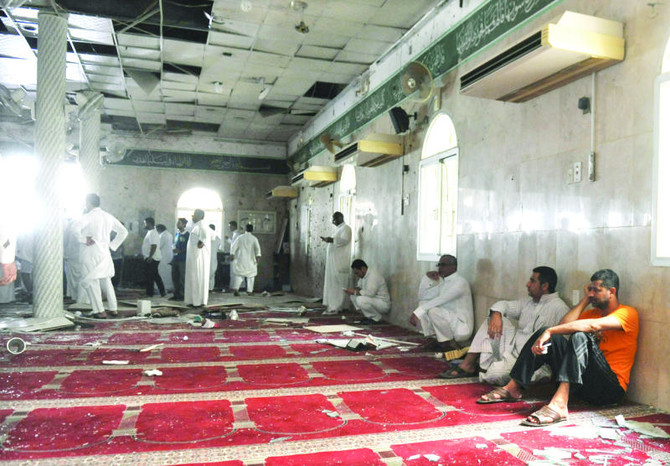
A number of those arrested were involved in several attacks in Saudi Arabia, including the bombing of a mosque in Al-Qadeeh in May that killed 22 people and injured more than 100 worshippers who had come for the Friday congregational prayers, the spokesman said.
Some of them were also behind the November shooting and killing of eight worshippers in Al-Ahsa, and for another attack in which a bomber disguised as a woman blew himself up in the parking lot of a Shiite mosque during Friday prayers, killing four, in Dammam in late May.
The cells were created to create division in society and bloodshed and then exchange roles to implement the plans dictated from abroad.
The security services also seized a number of documents, equipment, means of communication and explosive materials smuggled from abroad and weapons and ammunition during the operation.
During the security operation against these cells, six terrorists were killed and 37 people were martyred including security men and civilians. A total of 120 security men and citizens were injured.
Among the those arrested are the ones who used the following sites to promote terrorism with the user names Daashi Waftikher, Ba’t Almonia, jonoon alistishhad, Julaybib Jazrawi, Ghorbah 4 and Taiwilb Ilm. The site Hizam Nasif was used by a detainee Ali Mohammed Ali Ala’taiq, who was using his house to manufacture explosives and different materials.


![]()
![]()
![]()
![]()

Sharourah was chosen as base camp for training, coordinating terror attacks

Sharourah was chosen as base camp for training, coordinating terror attacks

Latest updates






© 2026 SAUDI RESEARCH & PUBLISHING COMPANY, All Rights Reserved And subject to Terms of Use Agreement.