- VTTI already operates an energy storage terminal at Karachi’s Port Qasim
- New scheme lets foreign suppliers hold fuel in Pakistan for local sale or re-export
KARACHI: Pakistan said on Wednesday Netherlands-based energy infrastructure company VTTI was considering expanding its operations in the country through bonded fuel storage and new liquefied petroleum gas infrastructure, as Islamabad seeks to build larger energy buffers against supply disruptions.
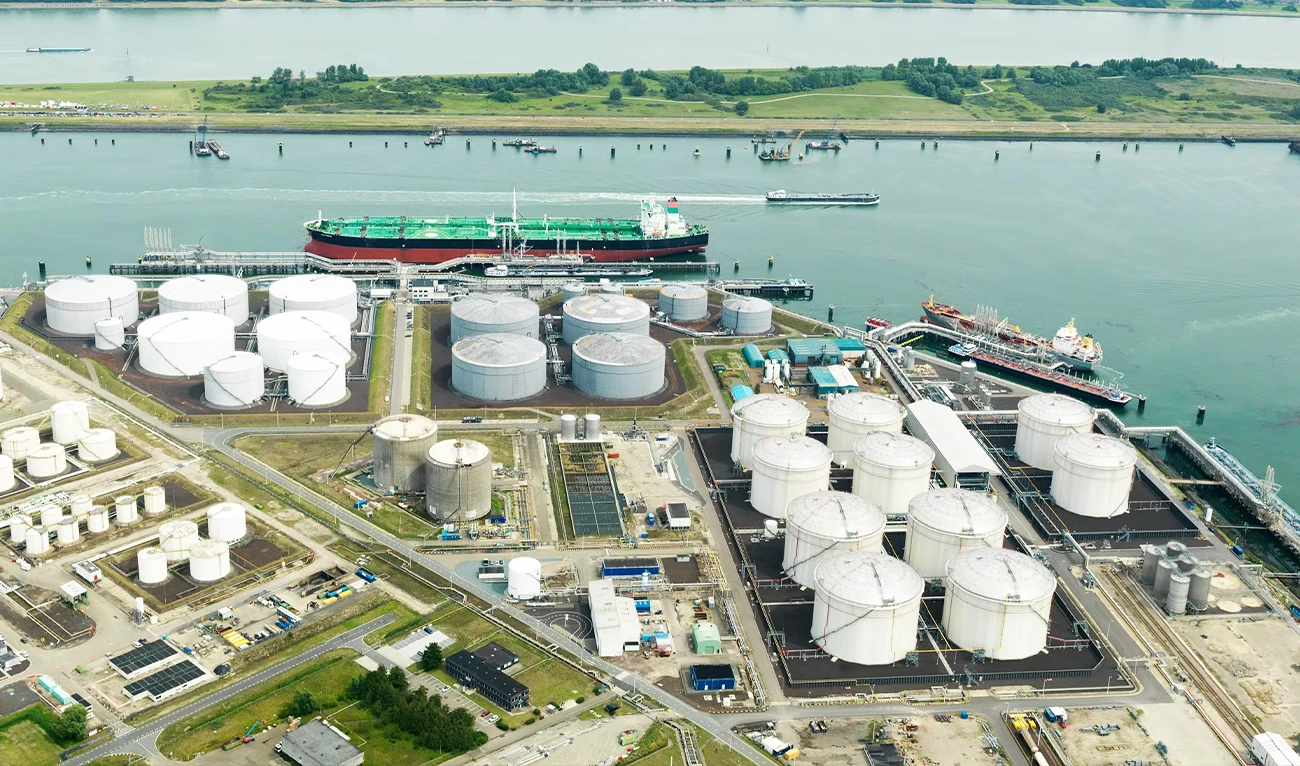
VTTI operates energy-storage terminals around the world where oil products, liquefied petroleum gas (LPG), chemicals and other fuels are stored and moved through shipping, road, rail and pipeline networks. The company already has a presence in Pakistan through the Karachi Hydrocarbon Terminal at Port Qasim and operates across 16 countries on five continents.
The discussions come weeks after Pakistan approved a revised bonded-storage scheme designed to encourage international suppliers to keep foreign-owned fuel physically inside the country, giving Islamabad an additional buffer against shortages without requiring Pakistani companies to buy those stocks in advance.
Under the bonded-storage system, an international supplier can bring crude oil, petrol, diesel, jet fuel, furnace oil, LPG or liquefied natural gas into Pakistan and retain ownership while it remains in an approved customs-bonded facility. The fuel can later be sold to Pakistani oil companies and refineries or shipped out again, with duties and taxes becoming applicable when stocks are cleared for domestic consumption.
“The VTTI delegation expressed interest in developing bonded warehousing and re export facilities in Pakistan and establishing terminal infrastructure for LPG storage, besides exploring opportunities for the expansion of LPG infrastructure and supply chains,” the petroleum ministry said in a statement after company representatives met Petroleum Minister Ali Pervaiz Malik.
He welcomed the company’s interest, saying Pakistan wanted greater investment in energy infrastructure while seeking more reliable and affordable supplies, according to the statement.
The ministry did not announce an investment value, additional storage capacity or timeline for the proposed expansion.
Pakistan first approved a bonded-storage framework in 2023, but it failed to attract foreign suppliers. The government revived the initiative this year as part of a wider effort to strengthen energy security after the US-Iran conflict and disruption around the Strait of Hormuz highlighted Pakistan’s vulnerability to interruptions in imported fuel supplies. Petroleum Minister Malik has said the Hormuz crisis underscored the need for stronger domestic buffers against supply shocks.
Pakistan imports most of its oil and gas from the Middle East and has responded to recent regional disruptions by pursuing additional storage, alternative supply arrangements and plans for strategic petroleum reserves.
Pakistani officials have previously identified Saudi Aramco, Kuwait Petroleum Corporation, Vitol and Trafigura among international companies interested in participating in the bonded-storage scheme. VTTI is itself partly owned by global commodity trader Vitol, alongside IFM Global Infrastructure Fund and Abu Dhabi National Oil Company, or ADNOC.
VTTI says its global network provides around 9.1 million cubic meters of storage capacity for products ranging from crude oil and LPG to chemicals and biofuels. Its existing Karachi operation places the company at Port Qasim, one of the locations permitted under Pakistan’s revised framework for foreign-owned bonded fuel stocks.