- Pakistan’s cotton output this year estimated to be around 6.71 million bales, down by 30.4 percent from annual target, says official
- Cotton losing farmland to crops such as sugarcane, admits official, as farmers demand urgent government intervention to revive crop
KARACHI: Pakistan may need to import 4-5 million bales of cotton this year to meet the needs of its $18 billion textile industry, an official said this week, with Islamabad set to miss its local production target of the crop by over 30 percent this year.
Cotton is a key crop for an agricultural country such as Pakistan. According to the Punjab Government’s agricultural department, cotton crop has a 0.8 percent share in the country’s GDP and 51 percent share in the total foreign exchange earnings of Pakistan. The South Asian country is home to a large and vibrant textile industry, with over 1,000 ginning factories, 400 textile mills, 7 million spindles and 4,000 garment units, as per the provincial government. The textile export proceeds reached $17.93 billion in FY26, up from $17.88 billion the previous year.
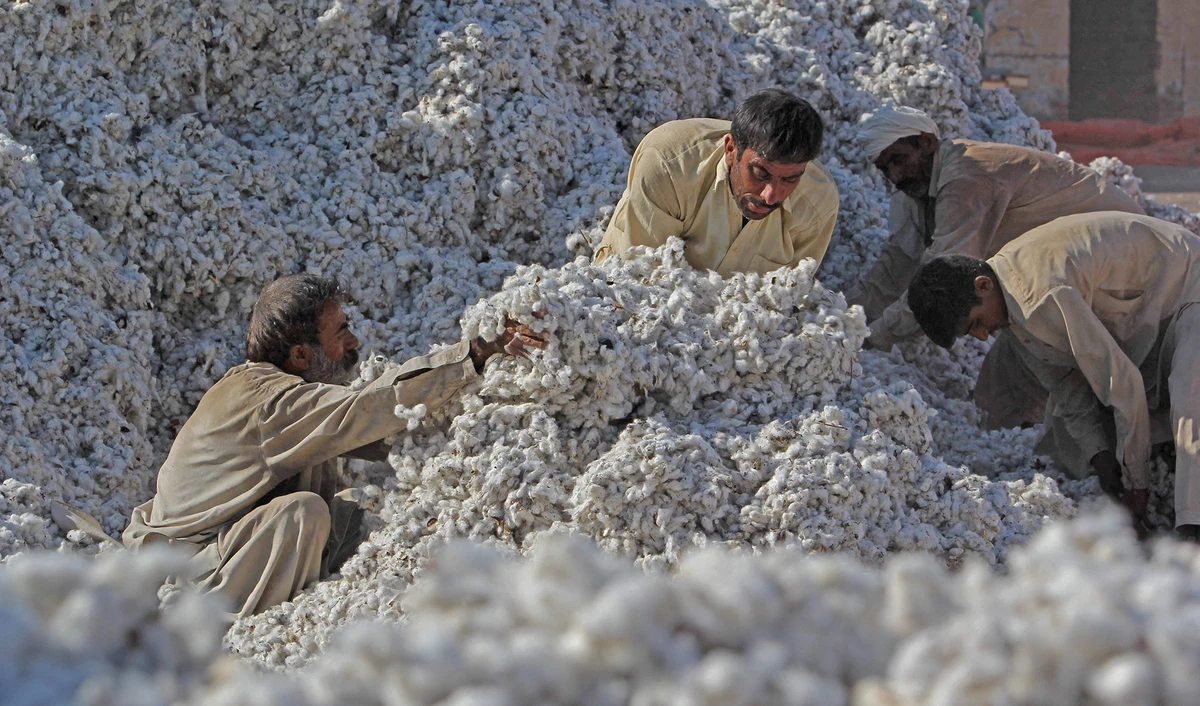
However, officials at Pakistan’s food security ministry told Arab News on Thursday that the Federal Committee on Agriculture (FCA) has estimated that this year, the cotton output will be around 6.71 million bales, down by 30.4 percent from the government’s annual target of 9.64 million bales that each weigh 170 kilograms.
Pakistan’s biggest food basket, the eastern province of Punjab, is expected to produce 3.69 million bales of cotton while Sindh, the country’s second-largest cotton producer, is set to produce 2.53 million bales, Khyber Pakhtunkhwa (KP) 410 and Balochistan 491,700 bales, as per official data.
“Our textile industry is running at 10-12 million bales [production] capacity and given the local shortage, we may need to import 4-5 million cotton bales this year,” a senior official at the food security ministry told Arab News on condition of anonymity as he was not authorized to speak to the media.
According to an estimate by the All Pakistan Textile Mills Association (APTMA), the country’s annual cotton requirement is around 14-15 million bales, depending on textile industry operations and export demand. With domestic production meeting only around 45-48 percent of the requirement, Islamabad faces a supply gap of 7.29-8.29 million bales, the data shows.
“The imports this year may cost $1.2 billion to $1.4 billion,” the official added.
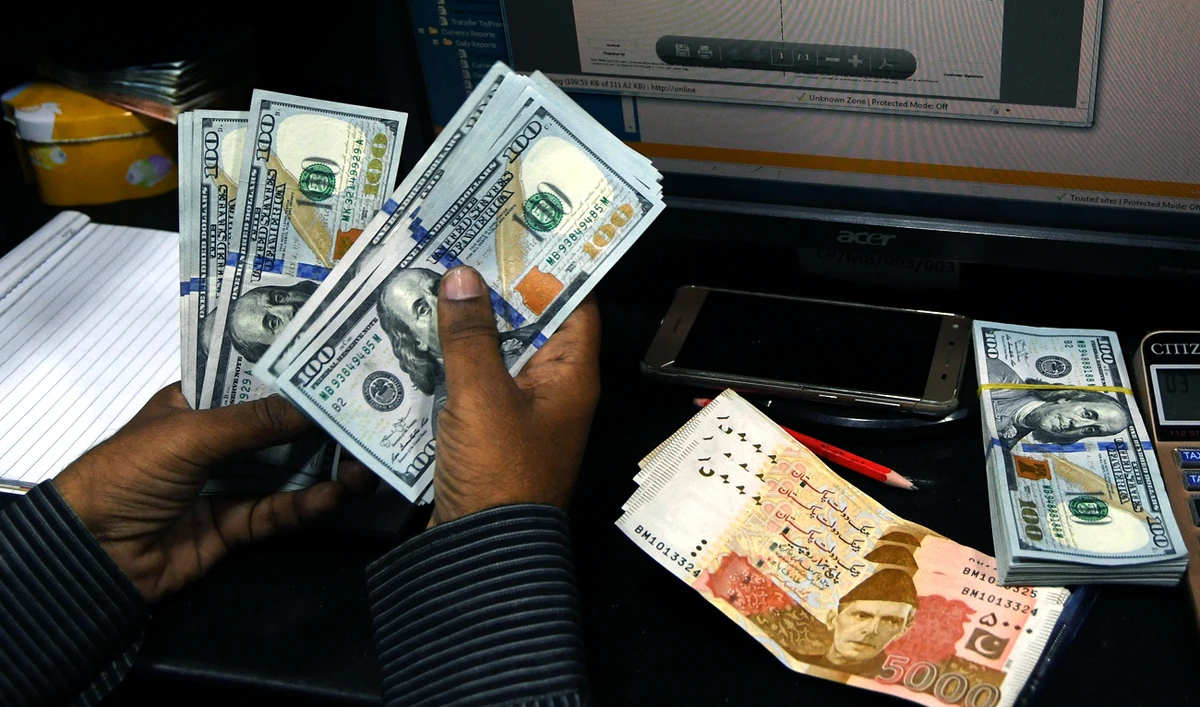
Pakistan has already begun importing more raw cotton, with purchases rising 39 percent to $355.5 million in July-August FY27 from $255.9 million a year earlier, according to the Pakistan Bureau of Statistics (PBS) data. August imports surged more than 50 percent to $169.1 million, while July purchases rose 30 percent to $186.3 million.
’CONTINUOUS DECLINE’
The official noted that cotton was losing ground to other crops such as sugarcane, with more land being allocated for the latter.
“The area has shifted toward other crops,” he said.
Official data shows a stark shift in crop patterns. Cotton acreage fell 18.6 percent to 1.76 million hectares from the 2.16 million hectares target this Kharif season, Pakistan’s summer cropping season, while sugarcane acreage rose 18.5 percent to 1.36 million hectares, surpassing its 1.15 million hectares target.
“The profitability of the farmer has decreased,” he said.
Pakistan Cotton Ginners Association (PCGA) Chairman Sohail Mahmood Haral this week wrote a letter to the prime minister, calling for urgent government measures to revive the cotton sector. Haral urged the government to ensure immediate availability of quality cotton seed, revive the country’s research and seed-development system, and provide farmers with certified, high-yielding, disease-resistant and climate-resilient varieties in time for sowing.
He also demanded immediate withdrawal of sales tax on cottonseed cake, saying its re-imposition last year had increased the cost burden on farmers and reduced the profitability of cotton cultivation
Zahid Hussain Bhurgri, secretary-general at the Sindh Chamber of Agriculture (SCA), a representative body of farmers in Sindh, said growers needed a minimum support price of Rs10,000 [$36.10] per 40 kilograms to make cotton cultivation viable.
“To produce 40 kilograms of cotton, we spend at least Rs8,000 [$29.01],” he told Arab News. “If we don’t get the Rs10,000 rate, then there is no use of sowing cotton.”
Pakistan, under the International Monetary Fund’s $7 billion loan program, is refraining from announcing raw commodity support prices to reduce government intervention in markets.
Naseem Usman, chairman of the Karachi Cotton Brokers Forum, blamed the government for “neglecting” cotton for sugarcane.
“Cotton is decreasing in Pakistan,” Usman told Arab News. “The main reason for this is that more of our cotton area is going under sugar now.”
Shah Faisal, the food security ministry’s official, was not available for a comment on the matter. However, Food Minister Rana Tanveer Hussain acknowledged “challenges farmers face because of rising input, energy and transportation costs,” the ministry said on Wednesday in a press release after the FCA meeting.
“The reported production of 6.71 million bales against the government target of 9.64 million bales reflects the growing crisis in the cotton economy,” Muhammad Javed, an adviser at APTMA, told Arab News.
“The continuous decline in cotton production is a serious concern for Pakistan’s textile industry,” he said.
Pakistan produced nearly 15 million bales of cotton in FY2012, but output has steadily declined since. Last year, production fell to 7.05 million bales against the target of 10.2 million bales, according to data from the Pakistan Central Cotton Committee.
“Lower domestic production increases dependence on imported cotton, puts pressure on foreign exchange reserves, raises production costs and weakens the competitiveness of textile exports,” Javed noted.
According to the PBS’ data, Pakistan spent $1.53 billion on the import of raw cotton in FY26 and $2.69 billion in FY25.
Javed demanded urgent structural reforms and a long-term, industry-led strategy to revive the production of cotton.
Finance adviser Khurram Schehzad did not respond to questions seeking his comments on Pakistan’s increasing dependence on cotton imports.