SINGAPORE: Singapore said on Friday it has detained a 44-year-old Australia-based Singaporean who allegedly glorified the Daesh group and backed the establishment of a caliphate in the city-state.
Zulfikar Mohamad Shariff is being held under the Internal Security Act (ISA), which allows for detention without trial, for being a threat to national security, the Ministry of Home Affairs (MHA) said in a statement.
“Zulfikar has made use of social media to propagate and spread his radical messages,” the MHA said in announcing his arrest this month.
His posts led to the radicalization of two other Singaporeans, a businessman and a security guard, the ministry said.
Zulfikar, an activist, moved to Australia with his family in 2002. It was still unclear why he returned to Singapore.
A commentary Zulfikar wrote for Singapore’s Straits Times newspaper in May described him as a final year doctorate student at the La Trobe University in Australia.
Zulfikar had also been supportive of terror groups like Al-Qaeda and its Southeast Asian affiliate Jemaah Islamiyah, according to MHA.
In Australia, he joined the hard-line Hizbut Tahrir group while keeping in contact with radical preachers and making “numerous Facebook postings glorifying and promoting ISIS (Daesh),” MHA added.
He set up a Facebook page called Al-Makhazin Singapore, which he used as a platform to “agitate on Muslim issues” in the city-state with a “real agenda” to replace the government with an Islamic state.
“He believes that violence should be used to achieve this goal if necessary,” MHA said.
“In view of the high level of terrorism threat that Singapore currently faces, and the global terrorism threat posed by ISIS, Zulfikar’s promotion of violence and ISIS and his radicalising influence pose a security threat to Singapore,” it added.
Following recent terror strikes worldwide, Singapore’s leaders have renewed warnings that an attack on the country, a staunch US defense partner, is not a matter of if but when.
Terrorism analyst Mohamad Nawab Mohamed Osman at Singapore’s S. Rajaratnam School of International Studies said Zulfikar had “crossed the line” in his campaign for Muslim rights.


![]()
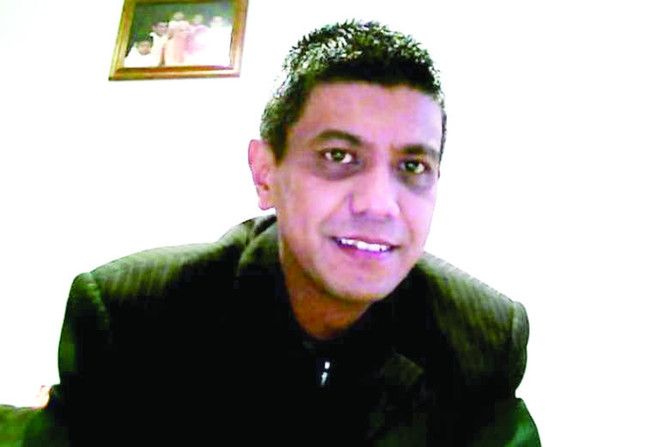
Singapore detains man who ‘glorified’ Daesh
Singapore detains man who ‘glorified’ Daesh
Latest updates


© 2026 SAUDI RESEARCH & PUBLISHING COMPANY, All Rights Reserved And subject to Terms of Use Agreement.