RIYADH: The Philippines is a veritable tourist destination. For a country with idyllic islands and world-class surfing and diving, the country is relatively undiscovered as a travel destination.
It remains a favorite for travelers looking for pure fun and excitement, if Department of Tourism (DoT) data are taken into consideration.
El Nido in Palawan offers much for those seeking fun and excitement. This jungle beach town on the northern tip of the province hasn’t changed much since before Spanish colonization.
You can explore the many islets of the nearby Bacuit archipelago on a boat-hopping tour, where the water so clear you can see the fish darting in between coral at 15 meters deep.
Palawan was not spared from the wrath of typhoon Yolanda (Haiyan). But it was only the city of Coron and the nearby island communities that were affected.
El Nido has not suffered any damage and the surrounding coral reefs are intact with only very shallow ones sustaining damage.
Local airlines fly directly to Palawan’s capital, Puerto Princesa. From the city’s main bus terminal, you can take a seven-hour Roll-On Roll –Off (RORO) bus to El Nido.
The world-famous Boracay is another attraction. It boasts of endless beaches of powdery-white sand, long happy hours, abundance of restaurants and hotels to suit all budgets, and plenty of water sports.
It has 12 beaches and the most popular is White Beach and Bulabog. The island is divided into “boat stations” which are used as reference points. Station one in the north is known for its high-end resorts and tranquility; station two is the liveliest part and station 3 is where all the budget accommodation can be found.
While many locals look back longingly at good old days in the 1970s before the hotels and restaurants started springing up, Boracay is still a Phuket in its infancy.
There was some storm damage to the island and electricity remains a problem for many parts of the island but most hotels are up and running with generators.
Frendz Resort Boracay has one of the best beach locations out of all the midrange options. Nigi Nigi Nu Noos has Balinese-style bamboo cottages furnished with handicrafts and wooden sculptures.
One can fly there via Kalibo and then take a two-hour bus ride.
North Luzon, the biggest island of the country, is a land of misty mountains, were pines replace palm trees. Visitors can head to Banaue and Batad to admire the 2,000-year-old Rice Terraces etched along plunging ravines.
The 20,000-km UNESCO-listed terraces are still a livelihood for the various tribal groups that continue to live in relative isolation in the mountains.
Treks along the rice terraces to various villages and waterfalls can be organized through the Banaue Tourist Information Center.
If you want to wake up to a view of the famous rice terraces, head to Batad, where a number of low-cost, basic guest house line the mountains. Try Ramon’s Homestay, where the owners are a great source of information about the local culture.
North Luzon could be reached by bus but be prepared for a long journey.
Buses leave regularly from Manila and take nine hours to get to Banaue.
Bohol is another attraction. Just off Cebu, it’s famous for its surreal Chocolate Hills.
The island’s most famous resident is the camera-shy tarsier, the world’s smallest monkey.
You can visit them in their protected enclosure at the Philippine Tarsier Foundation. Don’t visit them in the cages kept along the river; they are mistreated and don’t live long there.
Either hire a motor bike or book a tour with a local company such as the Bohol Travel Tours.
The island suffered from the 7.2-magnitude earthquake with many houses destroyed but two weeks later, Bohol was back on its feet, bringing in tourists as normal.
In Siargao in Mindanao island, surfing is great.
Facing the Pacific Ocean, the town sees a steady stream of dedicated surfers who arrive or challenge themselves on the island’s famous Cloud 9 reef break.
The small beachside town hosts a number of international surfing competition, which make it busy during surfing season but completely dead when the waves are down.


![]()
![]()
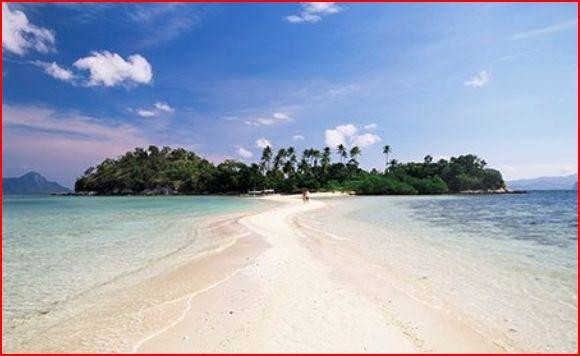
Exploring Philippines: Enchanting tourist destination

Exploring Philippines: Enchanting tourist destination
Latest updates







© 2026 SAUDI RESEARCH & PUBLISHING COMPANY, All Rights Reserved And subject to Terms of Use Agreement.