BERLIN: When Paul Schmitz was a little boy, he never understood why kids in his tiny German village taunted him as a “Yank” and beat him up. He was a teenager by the time he found out: His father was an American soldier his mother had a romance with him in the final days of World War II.
Schmitz was born about five months after Victory in Europe Day, when the Allied forces defeated Nazi Germany 70 years ago Friday. It would be the start of a life as an outsider, burdened by fear, discrimination and loneliness. He is one of at least 250,000 children of German mothers who got pregnant by Allied soldiers from the United States, Great Britain, France or the Soviet Union as the Third Reich crumbled.
Now many of those children have embarked on quests to find their fathers.
“I was a child of shame, a child of the enemy, even though it was the Americans who liberated us,” says Schmitz, a shy 69-year-old with a friendly round face. “All my life I had a yearning for my father, but until recently I was too afraid to actively search for him.”
Schmitz decided to start looking for his dad 10 years ago, among hundreds, perhaps thousands, of Germans who have launched searches for their Allied soldier fathers in recent years. The search is often painful, but can also bring closure and answer nagging questions about identity and heritage. As the generation of children born at the end of the war has reached retirement age, and their kids grown up, they have organized self-help groups and used Internet research tools to solve the mystery of their unknown fathers.
“Almost all war children start their search alone, spending nights in front of the computer,” said Ute Baur-Timmerbrink, who found out in her 50s that she was the daughter of an American officer. She is now part of the group GI Trace that helps other war children look for their dads — quests that succeed about half of the time. She has helped dozens of war children, and still gets up to 10 requests for assistance a week.
Many of the aging war children feel they have one last chance to discover the truth.
“After seven decades, these people are at a stage of their lives where they ask these questions: Who am I, where do I come from, what are my roots?” said Silke Satjukow, a historian who wrote a book about the war children. “Of course, they know that their fathers will most likely be dead by now, but they’re still hoping to find ‘shadow families,’ siblings who were born after their fathers left Germany.”
Schmitz talks haltingly about his difficult life as a fatherless boy in post-war Germany. His eyes well up recalling the hardships he faced in a conservative rural area close to the Belgian border.


![]()
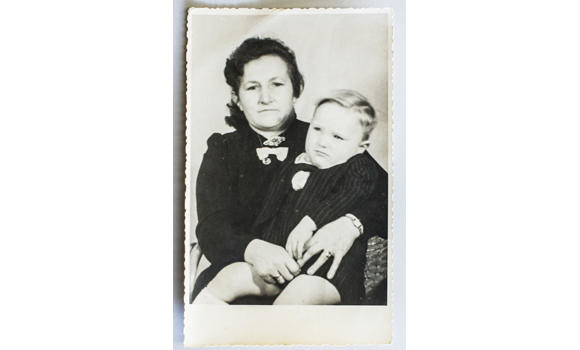
70 years after WWII, war kids look for soldier dads
70 years after WWII, war kids look for soldier dads
Latest updates


Recommended


© 2026 SAUDI RESEARCH & PUBLISHING COMPANY, All Rights Reserved And subject to Terms of Use Agreement.