The International Day for the Elderly, observed by the United Nations annually in early October, was marked this year by concerns raised over the absence of health insurance and regulations that guarantee the elderly in the Kingdom a dignified life.
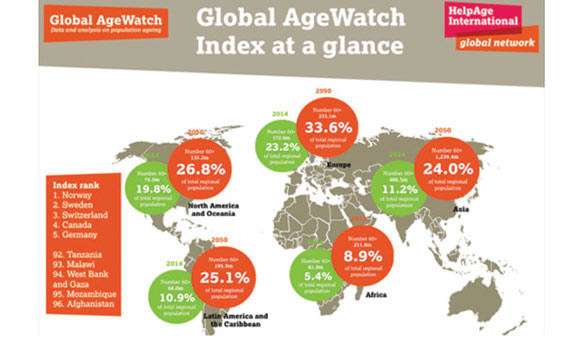
Member of the National Committee for the Retired, Dr. Fawziya Akhdar, said Saudi Arabia has been excluded from the Global AgeWatch Index, which takes its information from the UN and World Bank reports and classifies the level of care for the elderly in 96 countries around the world.
“The situation is bad. Shelters for the elderly are weak with limited potential in addition to the absence of quality health insurance for this section of society,” she said, adding that elderly people often can’t benefit from the free health services provided to them in government hospitals because they are unable to reach there.
Health authorities in advanced countries offer health care to the elderly at home by sending officials to ensure they take their medication correctly, especially those suffering from diabetes.
Fawziya who heads the female section of the National Committee for the Retired said the existing mechanisms for the elderly do not guarantee them a dignified life especially if they are dependent on grown sons who don’t take care of them.
She said societies for the elderly are small in number. “The ideal situation would be for the elderly to be provided with health and transportation insurance, or home health care in addition to an annual raise especially in light of the current cost of living.”
There are an estimated 700,000 elderly people in Saudi Arabia but the actual statistics may be higher.
According to the Global AgeWatch Index, Norway topped the list in the quality of care for the elderly, followed by Sweden, Switzerland, Canada and Germany. Afghanistan came at the bottom of the list while Morocco was 83rd and Jordan ranked 90.
The world index warned against ignoring the rising number of the elderly, saying by 2050, twenty-one percent of the earth’s citizens will be over 60.
The index pointed out that the Gross National Product for the individual doesn’t guarantee luxurious aging; this is related to public policies which allocate certain wages for each individual over 60.
A report published by the World Labor Organization (WLO) showed 52 percent of the elderly get pensions but it is not sufficient. The new report stated that around half of those who exceeded the work age don’t get pensions.
The majority of elderly men and women don’t have wage insurance, and have no rights to retirement, which means they continue working if they can.
A study by the WLO under the title, “Social Protection for the elderly: Major statistics and politics” reveal that most countries with low or medium income have widened the retirement coverage through a mixture of finances for social wages from taxes.
The report looked into retirement systems in 178 countries, and found out that more than 45 countries reached 90 percent of covering wages, and 20 developing countries got close to achieving global coverage levels.
Director of social protection in the WLO Isabel Orotez said a number of developing countries are working to widen the scope of coverage, which is a positive development. She stressed the importance of widening the private retirement systems, and ensure the availability of sufficient retirement wages.


![]()
Kingdom excluded from Global AgeWatch Index
Kingdom excluded from Global AgeWatch Index
Latest updates





© 2026 SAUDI RESEARCH & PUBLISHING COMPANY, All Rights Reserved And subject to Terms of Use Agreement.