NEW DELHI: India posted faster-than-expected quarterly economic growth of 4.8 percent, boosted by robust farm output, spurring hopes that an end to the country’s prolonged downturn may be in sight.
The official data for the second financial quarter to September beat market forecasts of 4.6 percent growth and topped the 4.4 percent expansion India logged in the previous three months.
“Indian GDP growth appears to be bottoming out,” said Miguel Chanco, Asia economist for research house Capital Economics.
But “India’s road to recovery will be slow and bumpy,” he said.
The figure marked the fourth quarter in a row that India’s growth has been below five percent.
Expansion has fallen sharply from the heady nearly double-digit growth that the country enjoyed just two years ago.
Still, the figures were a welcome respite for the scandal-tarred Congress party-led government, which is desperate to nurse the economy back to health before general elections due by May.
Finance Minister P. Chidambaram said India’s economy is going through a “period of stress” but “we are confident of coming out of it and returning to the high growth path.”
He forecast India’s economic growth would rebound to six percent next year and seven percent the following year.
Economists credited the improved July-to-September quarterly performance to higher farm output from the best monsoon in half a dozen years.
Agriculture output climbed in the quarter by a robust 4.6 percent from a year earlier.
But India’s rural hinterland accounts for just one-third of gross domestic product and is insufficient to pull the nation’s economy out of its rut on its own, economists said.
Manufacturing output expanded by a tepid one percent, but better than the April-June quarter when it shrank by 1.2 percent.
Hopes of a big increase in production for India’s religious festival season in October, when it is considered auspicious to buy everything from cars to gold to appliances, failed to materialize this year.
Growth fell to a decade-low of five percent in the fiscal year to March 2013.
The government has forecast around 5.0-5.5 percent expansion this financial year.
But most private economists believe India’s growth may be below five percent for the first time since 2003.
Tight fiscal policy and two recent interest rate hikes to curb stubbornly high inflation “will impact recovery in coming quarters,” Barclays economist Siddhartha Sanyal said ahead of the data.
With inflation still stubbornly high at seven percent, Goldman Sachs has forecast more interest rate hikes, which would keep growth subdued.
The investment house predicts the central bank’s new governor, Raghuram Rajan, will hike India’s benchmark lending rate to 8.5 percent next year from its current 7.75 percent.
Rajan has made a top priority of tackling inflation that has been fueled by a host of factors from costlier imports to supply bottlenecks in India’s antiquated industrial and distribution sectors.
Chidambaram, meanwhile, has said he is intent on cutting the fiscal deficit to a six-year low of 4.8 percent of gross domestic product this financial year, implying a row back in public spending that would dampen growth.


![]()
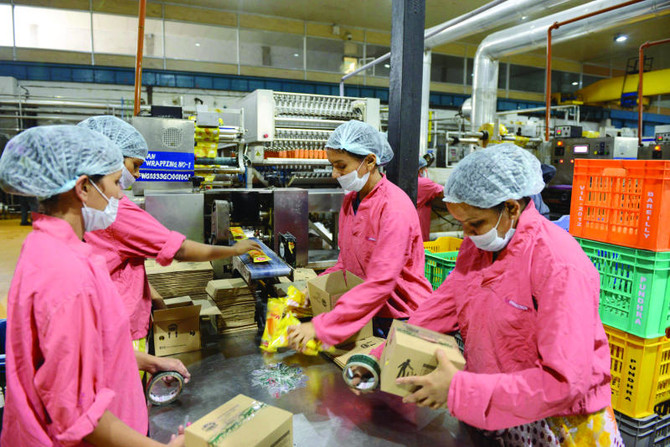
India economy posts surprise 4.8 percent growth
India economy posts surprise 4.8 percent growth
Latest updates


© 2026 SAUDI RESEARCH & PUBLISHING COMPANY, All Rights Reserved And subject to Terms of Use Agreement.