


DUBAI: Doctors are warning against a growing demand for extreme cosmetic surgery in the Gulf, which combines dramatic weight loss with high-volume body augmentation — a combination one surgeon described as the “XS–XL look.”
Dubai-based Russian plastic and reconstructive surgeon Dmitry Melnikov, a member of the International Society of Aesthetic Plastic Surgery and national representative of the World Society for Reconstructive Microsurgery, said the term was not a formal medical one but described “a deliberately exaggerated contrast” between an extremely slim frame and enlarged curves.
He said he had noticed the combination more clearly in recent years, as rapid weight loss — including loss linked to GLP-1 medications, the class of weight-loss and diabetes drugs that includes Ozempic and Wegovy — coincided with patients “being exposed to highly engineered body shapes online.”

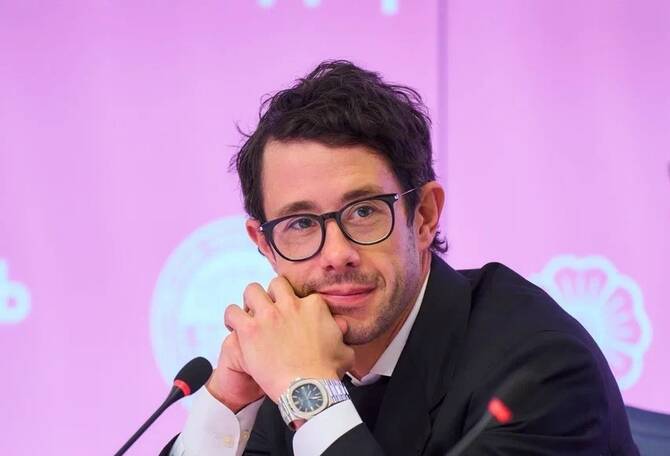
Melnikov said he regularly steered patients toward smaller implants. (Supplied)
The medical risks, he warned, could be severe. Significant weight loss left the skin thinner and less elastic, and placing a heavy implant beneath weakened tissue created a continuous mechanical load.
Melnikov told Arab News: “In more serious cases, there may be delayed wound healing, infection, tissue necrosis, wound separation or implant exposure through the skin. The implant may then have to be removed.”
Melnikov said he regularly steered patients toward smaller implants, staged procedures or postponement, and declined surgery he considered unsafe. He said: “I would rather lose a patient than perform an operation I believe is unsafe, as this type of extreme modification could be a form of self-harm.”
He linked rising demand to social media, where viewers saw “the final image but not the procedures, complications, recovery, shapewear or digital manipulation behind it.”

The medical risks, he warned, could be severe. (Shutterstock)
Celebrities and influencers set the template, he said, but algorithms reinforced it until “something that is anatomically unusual can begin to feel normal.”
His message was blunt: “Implants do not replace healthy tissue, and surgery cannot suspend biology.”
Not everyone shares his caution. Influencer Valentina Chobanu, who said she was 176 cm tall and weighed 37 kg after five cosmetic procedures, said she had achieved the look she wanted. “I’ve always had a clear vision of my ideal look. I love to mix extravagance with elegance. I’ve always wanted to look exactly the way I do now,” she said.
She said her surgeon had discussed the health risks, but they had not changed her mind. “Potential health risks don’t really influence my decision,” she said. “I believe in enjoying the present moment.”
Nor, she said, did online criticism deter her. “I see hate on the internet, and it actually makes me happy,” she said. “It only makes me more popular and shows that I’m different from everyone else.”
But Melnikov urged women to think beyond the immediate result. “Implants do not replace healthy tissue, and surgery cannot suspend biology,” he said. “A patient should therefore think not only about how she wants to look immediately after surgery, but how the result may behave in five, 10 or 15 years.”


