

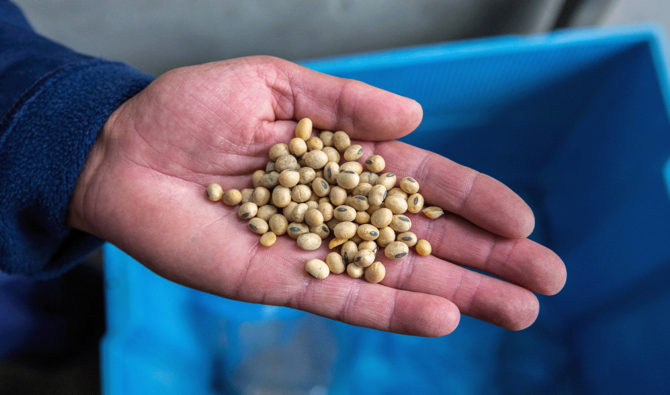
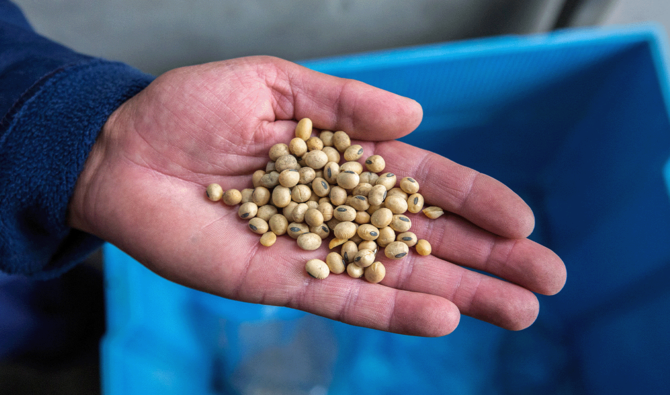
ISLAMABAD: Pakistan is importing more than one million tons of US soybeans annually, making it one of the leading global destinations for the commodity as Islamabad and Washington seek to deepen agricultural trade, Pakistan’s embassy in the US said on Friday.
Soybeans are an important source of protein for Pakistan’s poultry and livestock feed industries, while the two countries are also exploring greater cooperation across the soybean value chain, including trade, technical collaboration and links between businesses.
Pakistan’s Ambassador to the US Rizwan Saeed Sheikh highlighted the growing trade during a meeting with US Soybean Export Council (USSEC) Chief Executive Officer Jim Sutter on the sidelines of the US Soy Connext Conference in Chicago.
“The Ambassador noted that Pakistan has emerged, within a relatively short period, as one of the leading global destinations for US soybeans, with annual imports exceeding one million metric tons,” the Pakistani embassy said in a statement.
“He said the growing trade reflects both Pakistan’s expanding domestic demand and the considerable potential for mutually beneficial commercial partnerships between Pakistani and US businesses.”
Sheikh said agricultural trade had an important role to play in strengthening economic ties between Pakistan and the US and highlighted opportunities to expand cooperation across the soybean value chain.
These included increased trade, stronger business-to-business links, technical collaboration and knowledge sharing, according to the statement.
Sutter recalled USSEC’s longstanding partnership with Pakistan and reaffirmed the council’s commitment to strengthening cooperation with Pakistani stakeholders.
He also highlighted USSEC’s technical assistance, capacity-building, industry training and nutrition awareness programs aimed at supporting Pakistan’s feed, poultry, dairy and food-processing sectors.
Pakistan’s soybean trade has faced disruptions in recent years after authorities restricted imports of genetically modified soybean seeds beginning in 2022, hitting the poultry industry, which relies heavily on soybean meal as a source of protein in animal feed.
Pakistan subsequently moved to allow imports of genetically modified soybean seeds from approved suppliers, paving the way for a resumption of shipments.
The latest engagement comes as Pakistan and the US seek to expand economic and trade ties, with agriculture among the sectors offering opportunities for increased bilateral commerce.
Sheikh and Sutter agreed to remain engaged and explore ways to expand cooperation in the soybean sector as part of the broader Pakistan-US economic relationship.


