

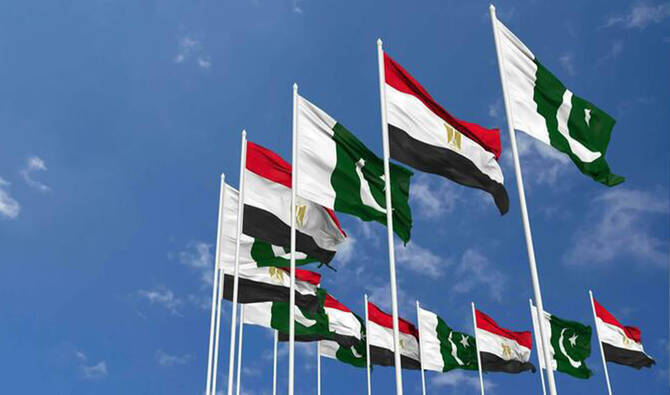

ISLAMABAD: Pakistan and Egypt on Wednesday discussed coordinating diplomatic efforts among Arab and Islamic countries on Palestine as fighting in Gaza, violence in the occupied West Bank and tensions at Jerusalem’s Al-Aqsa Mosque compound fueled fresh regional concern.
The telephone call between Deputy Prime Minister and Foreign Minister Ishaq Dar and Egyptian Foreign Minister Badr Abdelatty comes less than a week after Israel’s far-right National Security Minister Itamar Ben-Gvir visited the Al-Aqsa Mosque compound in occupied East
Jerusalem, drawing condemnation from Arab and Muslim countries. The discussions also come against the backdrop of continued Israeli military operations in Gaza, where humanitarian conditions have continued to deteriorate.
“The two Foreign Ministers expressed grave concern over the deteriorating situation in Palestine, condemning the continued Israeli military actions in Gaza and the Occupied West Bank, escalating settler violence, and repeated violations at the Al-Aqsa Mosque compound in occupied East Jerusalem,” the Foreign Office said in a statement.
The ministers also emphasized “the urgent need for an immediate end to all hostilities, unhindered humanitarian assistance, and full respect for international law,” it said.
According to the Foreign Office, Dar and Abdelatty discussed Jordan’s proposal to convene a meeting of a group of Arab and Islamic countries to coordinate diplomatic efforts in support of the Palestinian people.
The ministers also exchanged views on broader regional developments and stressed “the imperative of restraint, dialogue, and diplomacy to prevent further escalation and preserve regional peace and stability,” the statement added.


