




RIYADH: The fifth Literary Partner initiative reached more than 1 million beneficiaries across 57 Saudi cities, marking a cultural journey delivered through five specialized tracks.
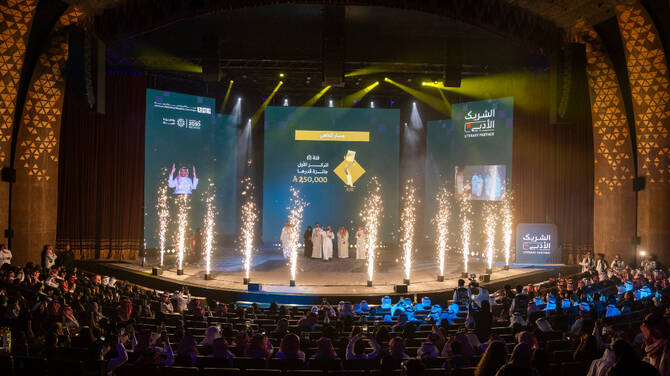
The milestone was announced during the initiative’s closing ceremony, organized by the Literature, Publishing and Translation Commission at the King Fahd Cultural Center in Riyadh on Friday evening.
The event was attended by the commission’s CEO, Abdullatif Al-Wasel, the CEO of the Quality of Life Program, Khalid Al-Baker, along with a distinguished group of writers, intellectuals, initiative partners, and representatives of cultural and media organizations.
The fifth edition recorded unprecedented growth in geographic reach and community impact, with 220 literary partners delivering 11,677 initiatives. The activities featured 9,240 speakers, with the number of first-time speakers increasing by 68 percent compared with the previous edition.
The initiative reached more than 1 million beneficiaries, reflecting its growing impact and reinforcing its position as a national platform for supporting literary and cultural activities and empowering creative talent.
Al-Wasel told Arab News that the fifth edition represents “a pivotal milestone in the initiative’s strategic development, through which it has successfully transformed literature into a cultural practice closely connected to the community and established itself as a leading platform bringing together diverse segments of society.
“The launch of dedicated tracks was aimed at sustaining the initiative’s impact and strengthening partnerships in line with the diversity of creators and partners, enabling broader outreach and more targeted engagement with audience interests and the cultural sector,” Al-Wasel said.

Abdullatif Al-Wasel, CEO of Literature, Publishing and Translation Commission. (Supplied)
These efforts, he added, contribute directly to enhancing quality of life and building an engaged, knowledge-based society in line with the goals of Saudi Vision 2030.
Al-Wasel said the initiative’s most significant transformation has been redefining public spaces as vibrant hubs for inspiration and knowledge exchange, supported by flexible communication approaches that move beyond traditional cultural activities.
He added that tracks covering cafes, shared spaces, cultural clubs, associations, and publishing houses have enabled writers and creators to engage directly with the public through informal gatherings and audience-focused events.
The approach has helped bridge the gap between writers and readers while stimulating literary and cultural activity across the Kingdom through partners’ ongoing events, Al-Wasel added.
The total value of the prizes exceeded SR1 million ($266,000), alongside special awards for Best Innovative Contribution, Best Representative of Regional Culture, and Best Media Presence. The awards recognize excellence and encourage literary initiatives with lasting impact.
Al-Wasel said the award “serves as a benchmark for measuring direct audience engagement and involving the public as an active partner in the evaluation and recognition process.”
The closing ceremony highlighted the initiative’s key achievements and inspiring stories from its fifth edition, showcasing successful experiences that created a dynamic literary environment with a lasting impact on the cultural and community landscape. The event also honored distinguished partners for their contributions to advancing the initiative.


