- The protesters say the government will hold an All-Party Conference to discuss some demands
- At least 27 policemen were killed when Pakistani Taliban militants attacked a checkpost on July 6
QUETTA: The families of 27 policemen, who were killed by militants in Pakistan’s southwestern Balochistan province this month, called off their days-long sit-in in the provincial capital of Quetta after having reached an eight-point agreement, including the formation of a judicial commission to probe recent deadly attacks in the region, a provincial minister said on Saturday.
Tehreek-e-Taliban Pakistan (TTP) militants on July 6 attacked a police checkpoint at the under-construction Mangi Dam in Balochistan’s Ziarat and killed nine policemen. The militants abducted 18 other cops, who were later found dead. Fifteen militants were killed after security forces responded to the incident, authorities said.
The attack was part of coordinated assaults by the TTP and Baloch separatist groups in Quetta, Ziarat and Lasbela districts of Balochistan, which has been the site of a long-running separatist insurgency that has intensified in recent years. Religiously motivated militant groups like the TTP have also maintained some presence in the region.
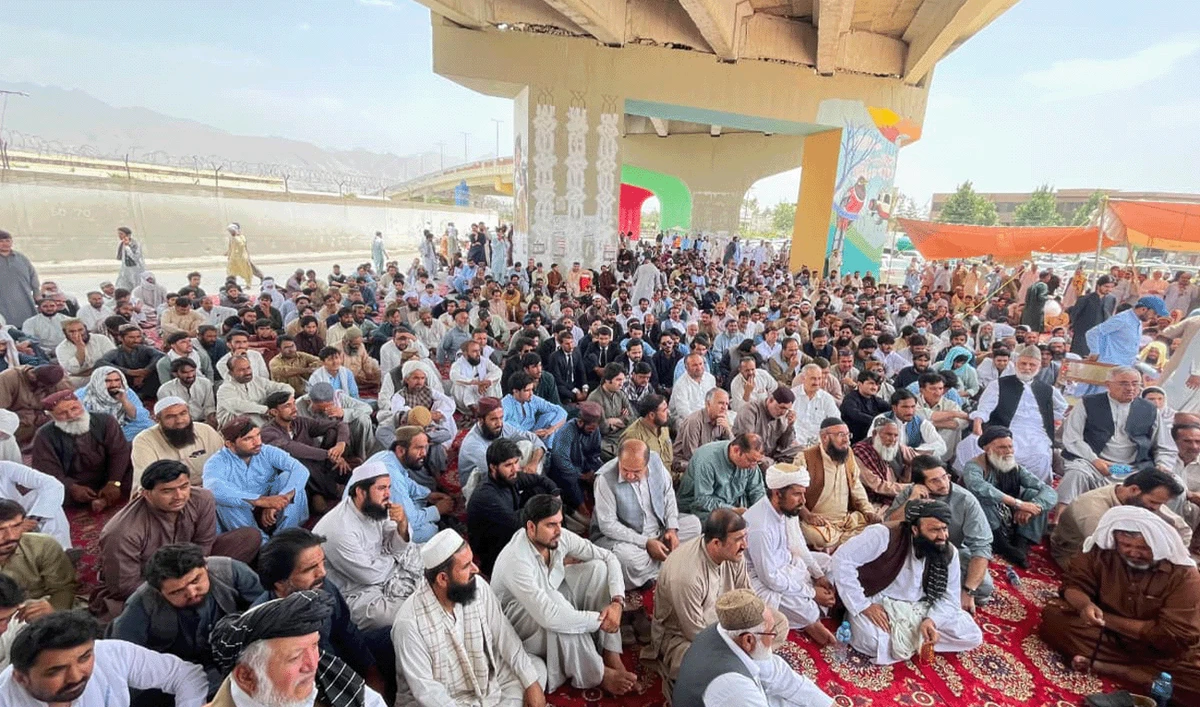
Families of the slain cops had been staging a sit-in at Quetta’s Koila Phattak along with bodies of slain policemen since July 8 to demand a judicial commission to probe alleged negligence of authorities and delays in sending reinforcements to the Mangi Dam site when the attack took place.
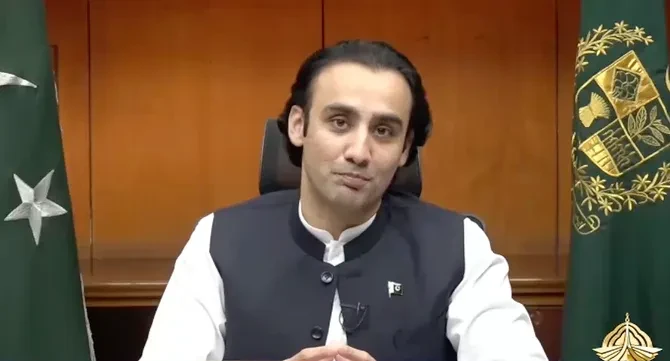
“Provincial government has accepted a majority of the demands of the protesters after which they agreed to call-off the sit-in,” Bakhat Muhammad Kakar, the Balochistan health minister who was part of the government negotiations committee, told Arab News.
“A judicial commission will be formed to probe the incident... As a military operation is already going on, the government will also increase patrolling in the area.”
The spate of attacks prompted Pakistani military to launch ‘Operation Shaban’ against militants on July 5. At least 129 militants have since been killed in the ongoing offensive and intelligence-based operations.
Abdul Rahim Ziaratwal, a senior politician who represented the protesters during several rounds of negotiations with the government, said the law-and-order situation of Balochistan was “not satisfactory,” adding that their demands resonated with the people of the entire province.
“On some of our demands the government has announced to call an All Parties Conference (APC) to discuss the restoration of Levies force,” he said.
When asked about the burial of the bodies of slain policemen, he said they will be buried in their respective villages in Ziarat after a collective funeral prayer on Saturday.
Dozens of civilians, police and security personnel have been killed in deadly attacks in Balochistan this month, which Prime Minister Shehbaz Sharif last week blaming them on Pakistan’s “eastern neighbor,” a reference to India.
Islamabad frequently accuses India of supporting and Afghanistan of providing safe havens to separatist and other militant groups who carry out attacks in the region, where China has been building a deep-sea port in Gwadar on the Arabian Sea and has made huge investments under its Belt and Road Initiative (BRI). New Delhi and Kabul deny the allegation.