

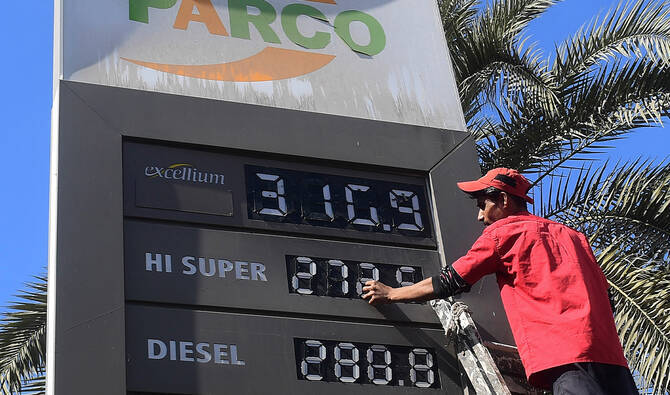

ISLAMABAD: Pakistan reduced petrol and high-speed diesel prices by Rs1.97 per liter for the coming week, the energy ministry said on Friday, extending recent cuts as global crude prices eased and oil supplies improved after a ceasefire in the Middle East.
The Middle East conflict, which began in late February disrupted shipping through the Strait of Hormuz, a vital route for global oil trade, driving up oil prices and increasing fuel costs for import-dependent countries such as Pakistan.
Pakistan slashed fuel prices in June, reducing petrol by Rs74 per liter to Rs299.50 and high-speed diesel by Rs67 per liter to Rs311.47, following a decline in global oil prices after the signing of the Islamabad Memorandum of Understanding between the United States and Iran, which brought months of conflict to an end.
“The Government of Pakistan has revised the ex-depot prices of the petroleum products for the next week starting from 4th July 2026 as per following details” the Ministry of Energy’s Petroleum Division said.
Following the latest price cut, petrol will cost Rs297.53 per liter, while high-speed diesel will be available at Rs309.50 per liter.
Last week, Pakistan’s Energy Minister Ali Pervaiz Malik said the government was passing on the benefit of falling international fuel prices to consumers and was not imposing any additional burden on any sector.
Pakistan’s government sought to shield consumers from rising energy costs throughout the conflict, absorbing part of the price shock through budgetary savings and spending cuts.


