- Pakistan’s tax authority paid $2.1 billion refunds during FY2025-26, says finance minister
- Muhammad Aurangzeb pushes for greater transparency, making tax compliance easier
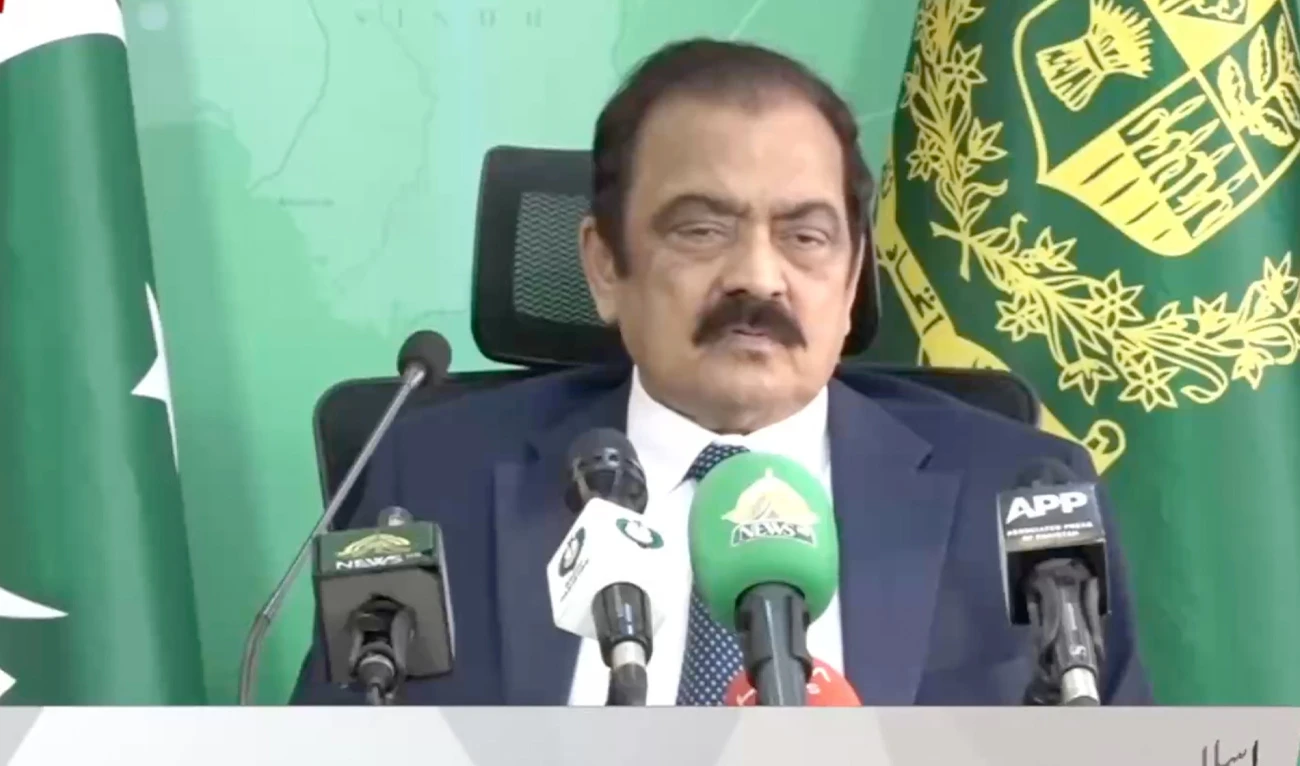
ISLAMABAD: Pakistan’s Federal Board of Revenue (FBR) collected Rs13 trillion [$46.7 billion] in taxes during fiscal year 2025-26 and paid refunds amounting to Rs599 billion [$2.1 billion], Finance Minister Muhammad Aurangzeb said on Wednesday, saying Islamabad’s newly approved operating model for FBR would accelerate institutional transformation through expanded use of artificial intelligence and digital systems.
Pakistan’s state broadcaster Radio Pakistan reported that the FBR collected Rs13.601 trillion in gross taxes, fully meeting its revised tax target. It said the FBR paid Rs597 billion in tax refunds during the same period, bringing its total net tax collection to Rs13.003 trillion.
Pakistan revised its original revenue target downward to Rs13,000 billion [$46.33 billion] in consultation with the International Monetary Fund, Finance Adviser Khurram Schehzad said recently. The target was revised to reflect evolving “economic realities” such as inflation volatility, changing growth dynamics, domestic challenges such as floods and international geopolitical developments like the US-Iran war.
“When we started this journey, our revenue collection was approximately 60 trillion [$215.8 billion],” Aurangzeb told senior members of the FBR at the bureau’s headquarters in Islamabad. “And Alhamdulillah, last night when you finished, exceeded 13 trillion [$46.76 billion].”
He said the bureau had paid close to Rs599 billion [$2.1 billion] in refunds, adding that this was a 21 percent increase compared to last year’s refunds.
Pakistan has undertaken tax reforms in recent years as it aims to increase its tax net without imposing further burden on existing taxpayers. At around 10 percent, Pakistan’s tax-to-GDP ratio remains among the lowest in the world.
Aurangzeb vowed the government’s new model for FBR would transform the institution for the better.
“The finance minister said the government’s newly approved operating model for FBR would accelerate institutional transformation through reforms centered on people, processes, and technology, including the expanded use of artificial intelligence and digital systems,” the Finance Division said in a statement.
The finance minister stressed that a country such as Pakistan, with a population of over 250 million people, has to “deal with the tax authority.”
He said the modern tax administration must focus not only on revenue collection but equally on taxpayer facilitation, transparency, and public trust.
The minister called on authorities to make tax compliance easier through technology-driven solutions, greater automation, improved taxpayer services, and reduced opportunities for discretion and corruption.
“People’s complaints, whether it’s around corruption, whether it’s around facilitating payments, whatever,” he said. “It takes two hands to clap.”