- Nearly 600 children with suspected and confirmed measles have died in Bangladesh since March
- Hospitals are overwhelmed as they struggle to isolate and treat hundreds of children admitted every day
DHAKA: Bangladesh’s deadliest outbreak of measles does not appear to be slowing despite nationwide vaccination efforts, doctors say, as they fear a new surge in infections following increased transmission during Eid Al-Adha homecoming.
Since the 1990s, Bangladesh’s vaccination campaigns have been able to contain the highly contagious airborne disease, which is especially dangerous for children under the age of five.
But immunization was disrupted amid political turmoil in 2024, after student-led protests ousted the previous administration.
The caretaker Cabinet, which ruled the country until late February, has missed the supplementary mass vaccination that should have taken place during its tenure.
The outbreak was officially recorded on March 15, and 585 children have since died with measles symptoms, while 71,000 have been hospitalized, according to data from the Directorate General of Health Services released on Monday.
While the new government started a nationwide campaign to reach 20 million children on April 20, so far only one vaccine dose has been administered. One dose gives 90 percent immunity to the disease, but it is not enough to bring the outbreak under control.
“There is no sign of a downtrend in measles infection rate across the country,” Dr. Ariful Bashar from Mohakhali Contagious Disease Hospital told Arab News.
“Measles is a highly contagious disease, even six times more than COVID-19. So, unless 95 percent immunity is achieved through vaccination, there will be no downtrend in the infection rate.”
Fuelling concern is the fact that last week millions of Bangladeshis traveled to their hometowns to celebrate Eid Al-Adha, with no measures in place to prevent the infectious virus from spreading. The incubation period is typically 10-14 days from exposure.
“I fear that we may witness a future increase in the infection rate due to this Eid travel rush, as health protocols were not maintained properly,” Bashar said.
“We don’t have sufficient facilities to run contact tracing for measles patients. Without contact tracing, it’s very tough to contain the outbreak. It’s the most contagious disease in the world.”
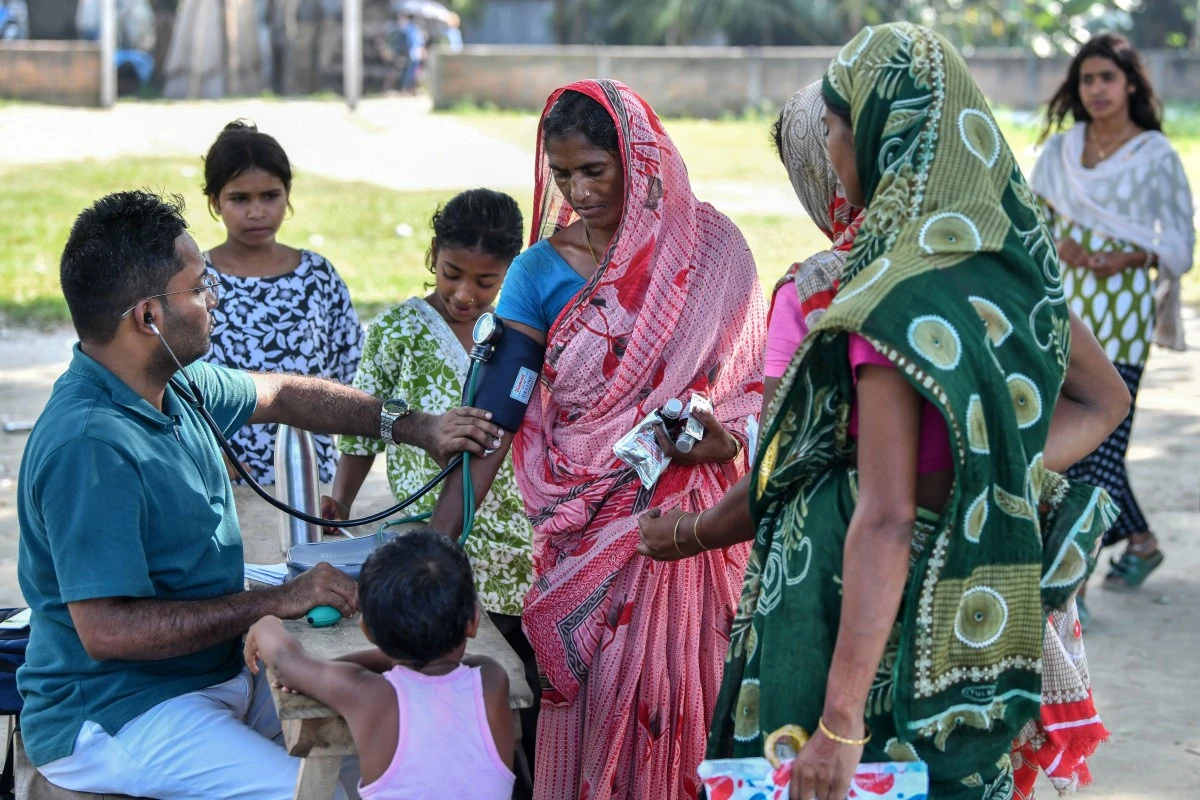
Since March, hospitals across the country have been overwhelmed as they struggle to isolate and treat hundreds of children admitted every day.
Dr. Mirza Ziaul Islam, director of the Bangladesh Shishu Hospital and Institute, which specializes in pediatrics, told Arab News that the facility’s intensive care units and dedicated measles wards remained fully occupied.
“During the Eid travel period, it was not possible to keep infected patients isolated, prompting fears that the number of new cases will remain high in the coming days,” he said.
“However, we have already achieved 110 percent of our vaccination target, and the campaign is ongoing. It takes four to six weeks for the immunity to develop. I hope the situation will begin to improve within the next two weeks.”