


RIYADH: Jordan’s capital expenditure jumped 60.4 percent year on year in the first two months of 2026, reaching 1.98 billion Jordanian dinars ($2.79 billion) by the end of February, a move aimed at accelerating economic activity and improving public infrastructure.
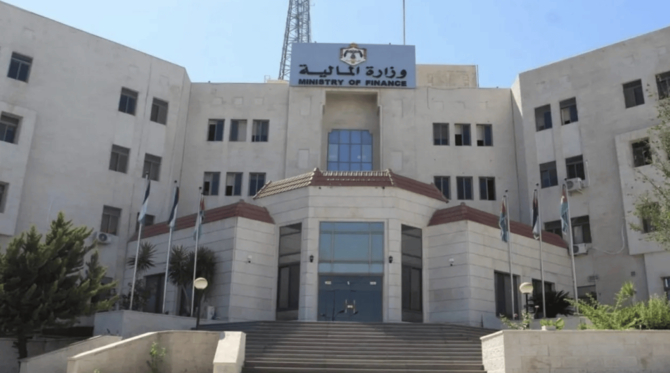
According to a Ministry of Finance bulletin, the rise in government spending is mainly attributed to a strategy to accelerate project spending early in the fiscal year.
Major allocations included the development of the Risha gas field, the equipping of Ma’an Military Hospital, and teacher-training initiatives, as well as municipal development projects, and support for the Jordan Tourism Board, the state-run Petra news agency reported.
Jordan has maintained its long-term sovereign credit rating at “BB-” with a stable outlook, S&P Global said in August, underscoring the country’s resilience despite heightened regional security challenges.
The US-based ratings agency attributed the decision at the time to the country’s macroeconomic stability, steady progress on financial and structural reforms, and continued international support. S&P also forecast at the time that growth is to accelerate to 3 percent in 2026 and 3.1 percent in 2027.
The newly released Petra statement said: “Domestic revenues also saw a steady climb, rising by 36.3 million dinars, or 2.5 percent, to reach 1.48 billion dinars by the end of February, up from 1.44 billion dinars during the same period in 2025.”
It added: “The growth in domestic revenue was primarily driven by a significant increase in non-tax revenues, which rose by 70 million dinars during the first two months of the year to reach 424.7 million dinars.”
The data further indicated that foreign grants received by Jordan in January and February amounted to 16.3 million dinars, up from the 3.4 million dinars recorded in the same period a year earlier.
Total public revenues, including grants, reached 1.49 billion dinars, up from 1.44 billion dinars in the same period previously.
Jordan aims to lower its public debt-to-gross domestic product ratio to 80 percent by 2028 under an International Monetary Fund-backed reform program, Finance Minister Abdul Hakim Al-Shibli said in July.
Regional and international research points to continued support for Gulf Cooperation Council equities through 2026, underpinned by strong fiscal positions and reform momentum.


