



GENEVA: Nothing says “wealth and discernment” as eloquently as a Rolex on your wrist or a Louis Vuitton bag on your arm — but luxury goods manufacturers are feeling the pinch from the Middle East war.
The conflict has disrupted supply chains, sent airport duty-free purchases plunging while the cost of precious metals soars, and reduced the number of customers prepared to pay more than $60,000 for a desirable timepiece.
Sales in the Middle East, which account for just under 10 percent of the watch market, are particularly vulnerable. “Rebuilding confidence is going to take some time,” said Philippe Pegoraro, chief economist of the Swiss watch federation.
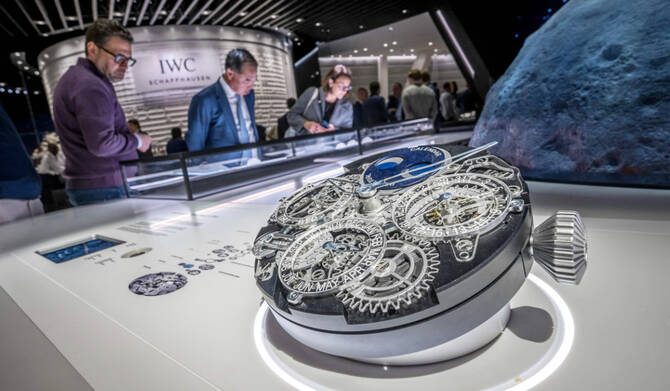
Official export figures for March won’t be finalized until later this month. “At this point, we're expecting a sharp drop” because of logistical issues and sagging demand, he said at the annual Watches and Wonders fair that began in Geneva on Tuesday.
“The war is going to be a big talking point,” said industry analyst Jon Cox. Before the war began he was forecasting a rebound in Swiss watch exports in 2026, with growth of around 5 percent. But the uncertainties triggered by the conflict were now likely to leave the Swiss watch industry facing “weak growth” in exports, he said.
The high-end watch business is not alone in feeling the heat. Sales at the world’s leading luxury group, LVMH — best known for Louis Vuitton bags, Dior fashion and Tiffany jewelry — fell 6 percent in the first three months of the year as the war depressed business in the Middle East.
The company’s chief financial officer Cecile Cabanis said it was still unclear what the final impact of the war would be. “What we know is that wealth hasn’t evaporated,” she said. “There will probably be a moment where we see it return and lessen the impact of the conflict if it continues.”


