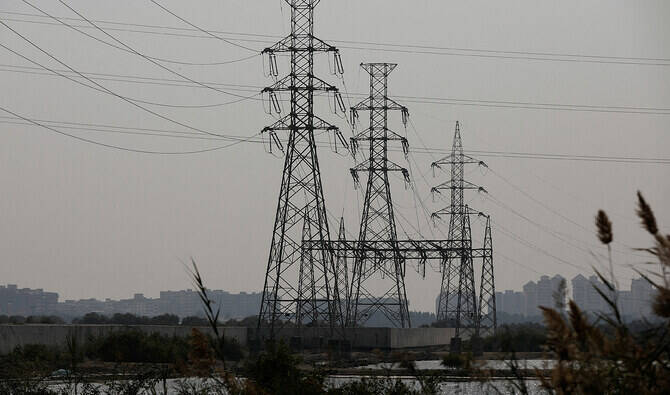

ISLAMABAD: Pakistan will implement limited power outages during peak evening hours to prevent a sharp rise in electricity tariffs, the government said on Tuesday, as higher global fuel prices linked to the Middle East conflict push up power generation costs.
The move comes as demand surges between 5:00 p.m. and 1:00 am, when lower hydropower output forces the system to rely on more expensive fuels, increasing pressure on electricity prices.
Pakistan’s power sector is heavily dependent on imported fuels, making it particularly vulnerable to global energy shocks. Disruptions to oil and gas markets following the conflict in the Middle East have driven up fuel costs, raising risks of inflation and higher electricity tariffs in import-reliant economies like Pakistan.
The Power Division said it would suspend electricity supply for around 2.25 hours daily during these peak periods as part of a “Peak Hours Relief Strategy” aimed at managing demand and limiting tariff increases.
“The limited load management of 2.25 hours during peak times is intended to prevent an increase of around Rs 3 ($0.011) per unit,” the Power Division spokesperson said in a statement.
The government said the measure would help avoid a larger increase of Rs5 to Rs6 ($0.018–$0.022) per unit that could occur if more expensive fuels such as furnace oil were used extensively.
Even with some reliance on costly fuels, authorities expect any increase to be contained at around Rs1.5 ($0.005) per unit, the statement said.
To mitigate costs, the government has diverted 80 million cubic feet per day of local gas to power plants, helping avoid an additional increase of about 80 paisa ($0.0029) per unit and reducing the need for further load management.
The statement said the country’s overall power generation capacity remains stable and sufficient to meet demand, but managing peak consumption remains a key challenge.
The Power Division said electricity tariffs had already declined by an average of 71 paisa ($0.0025) per unit between July and February, providing total relief of Rs46 billion ($165 million) to consumers through reforms, improved system efficiency and greater reliance on lower-cost generation sources.
Those reforms included stricter adherence to the merit order, better planning, improved transmission efficiency and prioritization of cheaper generation sources, which together helped reduce system losses and improve performance.
Authorities stressed that the outages would be scheduled and communicated in advance, with distribution companies directed to share feeder-level timing details and avoid unscheduled disruptions.
The statement said the measure was part of demand management and should not be viewed as conventional load shedding, as it aims to stabilize prices rather than address supply shortages.
Officials added that coordinated steps, including earlier market closures and demand reduction measures, could further ease pressure on the system and help limit future increases in electricity costs.