



ISLAMABAD: Prime Minister Shehbaz Sharif on Friday described the upcoming US-Iran negotiations in Islamabad as a “make-or-break” moment and urged Pakistanis to pray for their success, as efforts intensify to turn a fragile ceasefire into lasting peace.
The remarks came as Islamabad prepares to host high-stakes talks between Washington and Tehran following a war that began on Feb. 28, when joint US-Israeli strikes triggered a conflict that spread across the Gulf region, disrupting global energy markets and key shipping routes, including the Strait of Hormuz.
Pakistan has positioned itself as a mediator, helping both sides come to the table after urging a two-week ceasefire earlier this week.
“This stage is equivalent to a make-or-break,” Sharif said in a televised address to the nation, calling on people to pray for the success of the negotiations.
Sharif said both sides had agreed to resolve their issues through dialogue and thanked the leadership of the United States and Iran for accepting Pakistan’s invitation to hold talks in Islamabad.
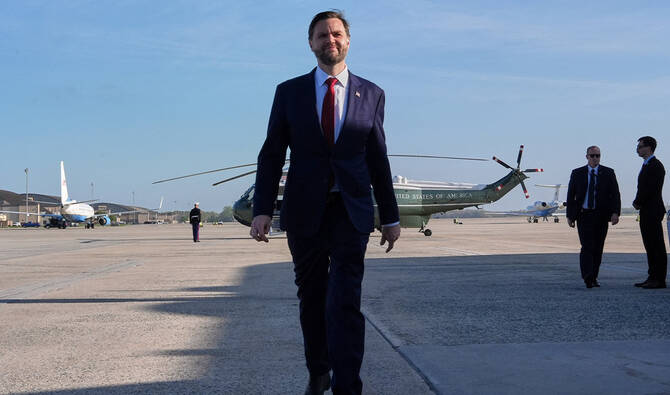
Earlier, US Vice President JD Vance departed for Pakistan to lead the American delegation, expressing cautious optimism about the outcome.
“We’re going to try to have a positive negotiation,” Vance told reporters before boarding his flight, adding that Washington remained open to diplomacy but would take a firm stance if talks faltered.
“If the Iranians are willing to negotiate in good faith, we’re certainly willing to extend the open hand,” he said. “If they’re going to try to play us, then they’re going to find that the negotiating team is not that receptive.”
Vance said President Donald Trump had given him “some pretty clear guidelines” for the talks.
The negotiations come amid mounting global pressure to prevent the collapse of the temporary truce, which has already seen disagreements over its scope and implementation.
Pakistan’s diplomatic role has drawn international attention, with officials framing the talks as an opportunity to build on the ceasefire window and avert further disruptions to global oil supplies and regional security.


