


ISLAMABAD: Pakistan has funded a Rs129 billion ($458 million) fuel subsidy through spending cuts and payouts from state-owned enterprises, Finance Minister Muhammad Aurangzeb said on Tuesday, warning that the economic impact of the ongoing Iran war could persist for weeks or months.
The subsidy was introduced in March after a sharp surge in global oil prices triggered by the conflict involving the United States, Israel and Iran, which disrupted energy supplies and shipping routes, particularly through the Strait of Hormuz.
Pakistan, which relies heavily on imported fuel, initially absorbed the shock through a blanket subsidy before shifting toward targeted support for lower-income groups amid limited fiscal space and commitments under a $7 billion IMF bailout program, which comes with strict conditionalities.
Aurangzeb said the government had spent Rs129 billion ($458 million) over three weeks to shield consumers from rising fuel prices and outlined how the subsidy had been financed.
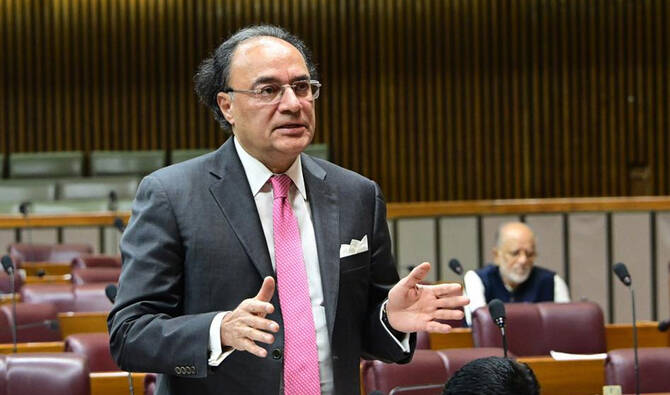
“A blanket subsidy of 129 billion rupees ($458 million) was given… and how was it funded? … 100 billion ($360 million) Public Sector Development Programme (PSDP) has been cut… and further dividends and profits were taken from state-owned enterprises,” the finance minister detailed in an address before the National Assembly.
Aurangzeb said the government had also enforced austerity measures, including reductions in federal spending and restrictions on official vehicle use, to mobilize resources. The PSDP was cut by Rs100 billion ($360 million) as part of that effort.
The finance minister said the government had now moved from broad-based relief to targeted subsidies aimed at vulnerable groups, including motorbike users, farmers and the transport sector, to limit the inflationary impact of higher fuel prices.
“These disbursements… are already taking place… and this process started from Saturday [April 4]… and during the course of this week, the first tranche… will start reaching them,” he said.
Pakistan has been balancing the need to protect consumers with commitments under the IMF, which require fiscal discipline and limit untargeted subsidies. Officials have said blanket fuel support is unsustainable and risks widening the fiscal deficit.
Aurangzeb said the economic fallout from the Middle East conflict could continue even if hostilities eased, citing damage to energy infrastructure and continued supply disruptions.
“Even if this secession happens… it is a matter of at least weeks and months,” he said, adding that policymakers were monitoring global developments and needed to plan for the broader impact of prolonged energy volatility on inflation and growth.


