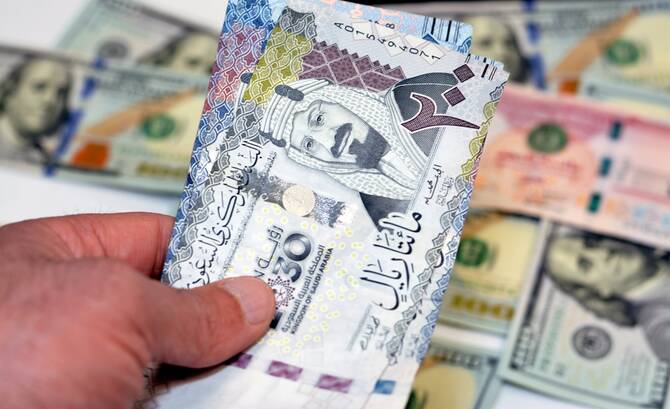

RIYADH: Saudi Arabia opened subscriptions for its April retail ‘Sah’ savings sukuk offering with a 4.50 percent annual return, as the government seeks to deepen household savings and broaden retail participation in financial markets.
The subscription window runs from April 5 to April 7 through approved digital channels of accredited financial institutions, with the issuance structured as a one-year instrument providing a fixed return.
The minimum subscription is set at SR1,000 ($266) per sukuk, with a maximum allocation of 200 sukuk, equivalent to SR200,000.
The April issuance follows earlier rounds under the Sah program, including the second issuance of 2026, which offered an annual return of 4.58 percent, and a prior January tranche that provided a 4.73 percent return.
The earlier offering drew strong participation, highlighting sustained demand among individual investors for government-backed savings instruments.
The sukuk are issued by the Ministry of Finance and organized by the National Debt Management Center as part of Saudi Arabia’s first savings product specifically designed for individuals.
The program allows Saudi nationals aged 18 and above to invest through participating institutions including SNB Capital, Aljazira Capital, Alinma Investment, SAB Invest, and Al Rajhi Capital.
Sah offers a one-year savings period, with returns paid at maturity, while future returns may vary depending on prevailing market conditions.
The initiative forms part of broader efforts to strengthen domestic savings and increase retail participation in financial markets, while supporting the Kingdom’s fiscal funding strategy and financial stability objectives.
The offering comes amid continued confidence in Saudi Arabia’s economic outlook. In January, Fitch Ratings affirmed the Kingdom’s sovereign rating at A+ with a stable outlook, citing strong debt metrics and significant sovereign financial assets.
In its assessment conducted before the outbreak of the US-Israel war with Iran end of February, the agency expected the economy to grow 4.8 percent in 2026 and projected the fiscal deficit would narrow to 3.6 percent of gross domestic product by 2027, supported by rising non-oil revenues and ongoing economic reforms.