

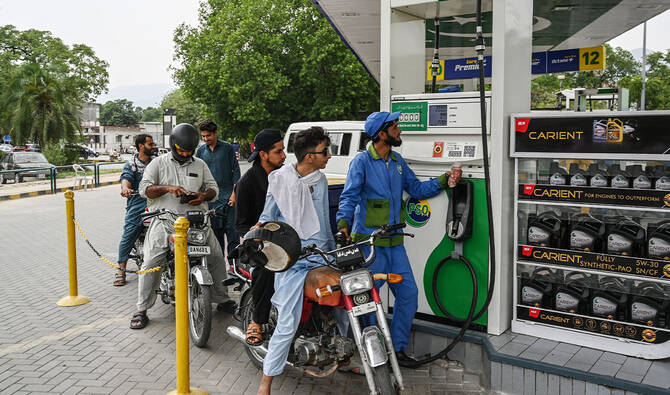

Islamabad: Pakistan has completed arrangements to import petrol for April, the Prime Minister’s Office (PMO) said on Sunday, as Islamabad conserves fuel stocks amid global oil supply disruptions caused by the ongoing Iran war.
The statement was issued by Prime Minister Shehbaz Sharif’s office after the premier chaired a meeting to review the government’s ongoing steps to conserve fuel and implement austerity measures.
Iran’s chokehold on the Strait of Hormuz, through which roughly 20 percent of the world’s oil and gas passes, has pushed global oil prices higher since last month. Pakistan has undertaken austerity measures to conserve fuel, which include enforcing a four-day working week, closing schools and slashing government expenditures.
“It was informed [during the meeting] that the demand and supply of petroleum products and the entire supply chain are being regularly monitored, and a digital dashboard has also been developed for this purpose,” the Prime Minister’s Office (PMO) said in a statement.
“It was further informed that arrangements for importing petrol for April have been completed.”
Sharif told participants of the meeting that sufficient quantities of petroleum products were available in Pakistan to meet the country’s needs due to the government’s timely decisions.
He noted that the government had allocated Rs125 billion [$449 million] to protect the public from the direct impact of surging oil prices. Sharif said this amount had been collected through savings and by slashing the government’s various development budgets.
“Unlike other countries, Pakistan is neither facing long queues nor mismanagement regarding fuel supply, which is evidence of effective government management, the briefing noted,” the PMO added.
Pakistan increased the prices of petrol and diesel by Rs55 per liter earlier this month, as tensions in the Middle East surged after the US and Israel launched coordinated strikes against Iran on Feb. 28.
Iran retaliated by launching a barrage of missile and drone attacks against US interests in the Gulf and Israel.
Pakistan fears a prolonged war in the Middle East can threaten a fuel shortage in the country, which relies mostly on crude oil from the region, or raise global oil prices even higher which can adversely affect its balance of payments.


