- Webinar connects 25 US ICT companies with Pakistan’s tech authorities
- Outreach comes amid renewed push to expand bilateral commercial engagement
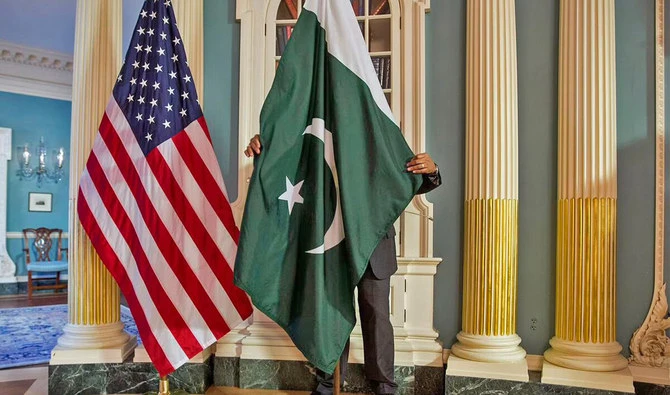
ISLAMABAD: The US Embassy in Islamabad said on Friday it had linked 25 American technology companies with senior Pakistani officials during a webinar aimed at exploring partnerships and investment opportunities in Pakistan’s information technology sector.
US Chargé d’Affaires Natalie A. Baker hosted a Feb. 12 webinar bringing together representatives from US information and communication technology (ICT) firms with Pakistani policymakers to explore partnerships and investment opportunities.
The outreach reflects growing US interest in Pakistan’s technology industry, which Islamabad has prioritized as an export-led growth sector amid economic reforms and efforts to attract foreign investment.
“The US Mission in Pakistan is committed to fostering strong economic ties between our nations,” Baker said during the event.
“We believe that by working together, we can unlock the full potential of Pakistan’s IT sector, create new opportunities for American businesses, and contribute to Pakistan’s economic development.”
The webinar highlighted commercial openings in cloud computing, data centers, cybersecurity and artificial intelligence, areas where American companies are global leaders.
Pakistani officials outlined government initiatives to expand broadband access, promote technology parks and introduce regulatory reforms aimed at encouraging investment.
Baker said the embassy and US consulates were helping American firms navigate the Pakistani market.
“We are committed to facilitating investment, promoting trade, and advocating for policies to improve the business environment,” she said.
The session was part of the State Department’s Direct Line for American Businesses program, which gives US companies access to foreign government officials and market experts. It was the third such event hosted by the US Mission in Pakistan over the past year.
Washington has increasingly emphasized commercial diplomacy and private-sector investment in its engagement with Islamabad, with technology cooperation emerging as a key pillar alongside traditional security ties.