- Hong Kong International Convention aims to improve hazardous working conditions in ship recycling facilities worldwide
- Maritime affairs minister says certification reflects Islamabad’s efforts in implementing global environmental standards
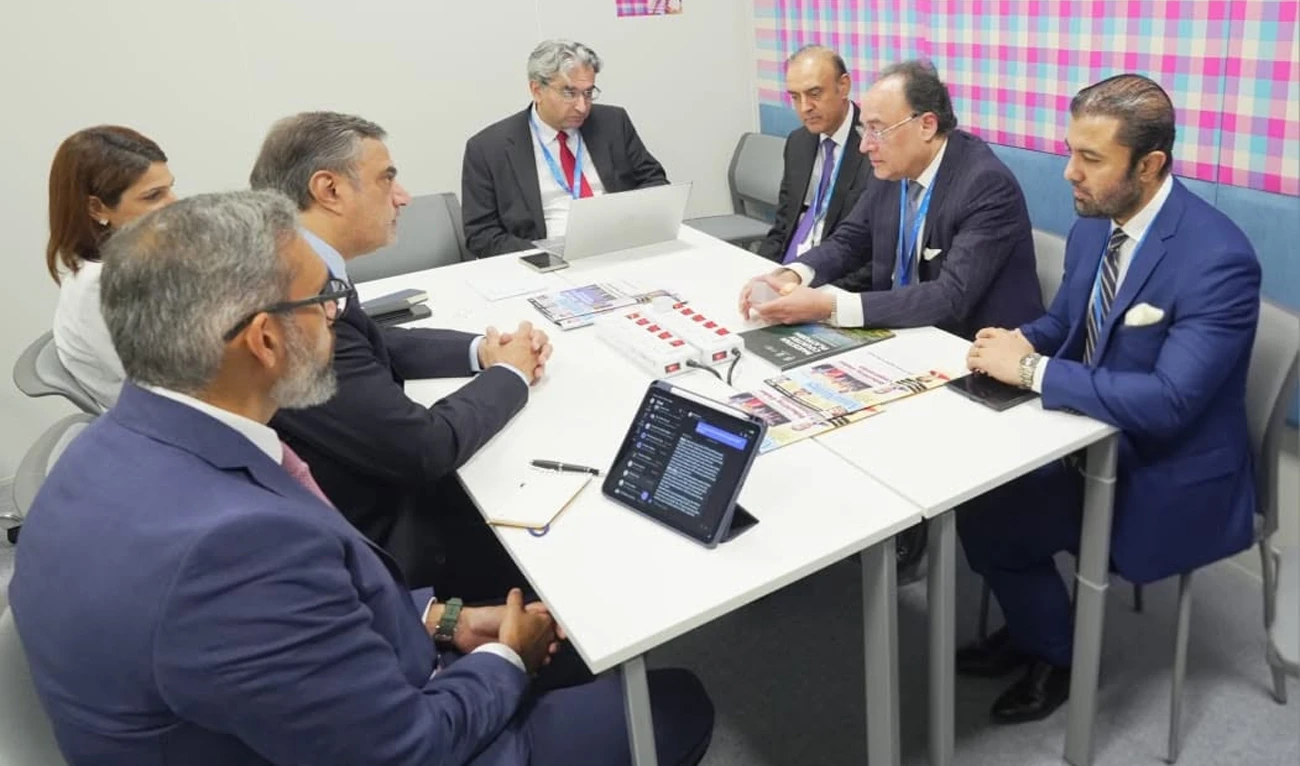
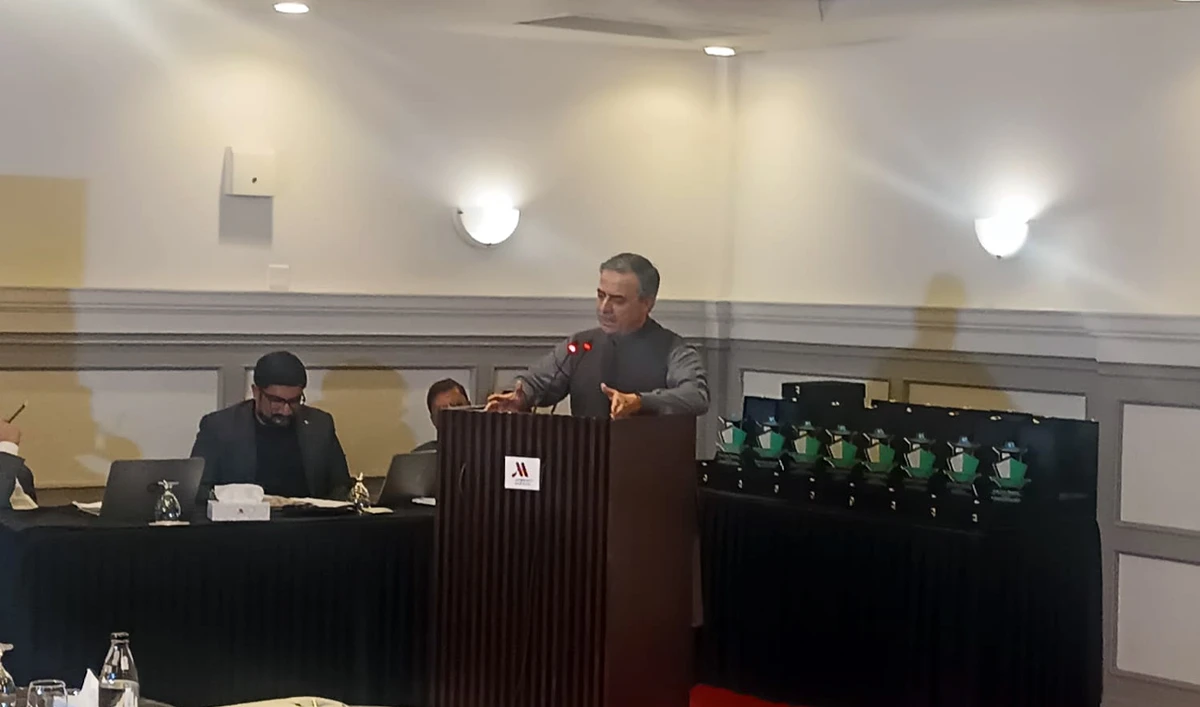
ISLAMABAD: Maritime Affairs Minister Junaid Anwar Chaudhry inaugurated Pakistan’s first ship recycling facility certified by the Hong Kong International Convention on Wednesday, saying the move would help Islamabad meet global benchmarks in environmentally friendly ship recycling.
Pakistan became a party to the 2009 Hong Kong Convention in December 2023, which aims to improve hazardous working conditions in ship recycling facilities worldwide. The ship recycling industry in Pakistan and globally faces pressure from calls to adopt safer and cleaner methods.
Shipbreaking is a significant industry in Pakistan, particularly in the coastal town of Gadani in southwestern Balochistan, which was once one of the world’s largest ship recycling hubs. However, business has declined in recent years as Islamabad grapples with a macroeconomic crisis.
Chaudhry inaugurated the Prime Green Recycling Yard in Gadani during a ceremony. He highlighted that the certification demonstrated Pakistan’s alignment with international maritime and environmental standards in a sector long criticized for hazardous working conditions.
“The success of the Prime Green Recycling Yard is a matter of national pride and a clear signal that Pakistan is meeting global benchmarks for environmentally friendly ship recycling,” the Maritime Affairs Ministry quoted him as saying.
“Pakistan is emerging as a responsible country in the global ship recycling industry.”
The statement highlighted that the government was working to modernize the Gadani Ship Recycling Zone, focusing on infrastructure upgrades, regulatory reforms, and improved oversight.
It added that worker safety would remain a top priority as the industry transitions to cleaner and safer methods.
Chaudhry said modernizing the ship recycling sector could create thousands of jobs and conserve foreign exchange by providing locally sourced steel and materials.
“With a responsible and sustainable approach, ship recycling can become a major contributor to economic growth,” he said.
“It will reduce dependence on imports and strengthen Pakistan’s industrial base.”
Pakistan’s maritime sector, anchored by its long coastline and strategic ports such as Karachi, Port Qasim, and Gwadar, holds vast potential for the blue economy. However, it remains underutilized due to infrastructure gaps, policy inconsistencies, and limited shipping capacity.