- Rights organizations have raised alarm over vandalism by far-right Indian Hindu groups to disrupt Christmas events
- Pakistan urges international community to take steps to protect vulnerable communities from future attacks in India
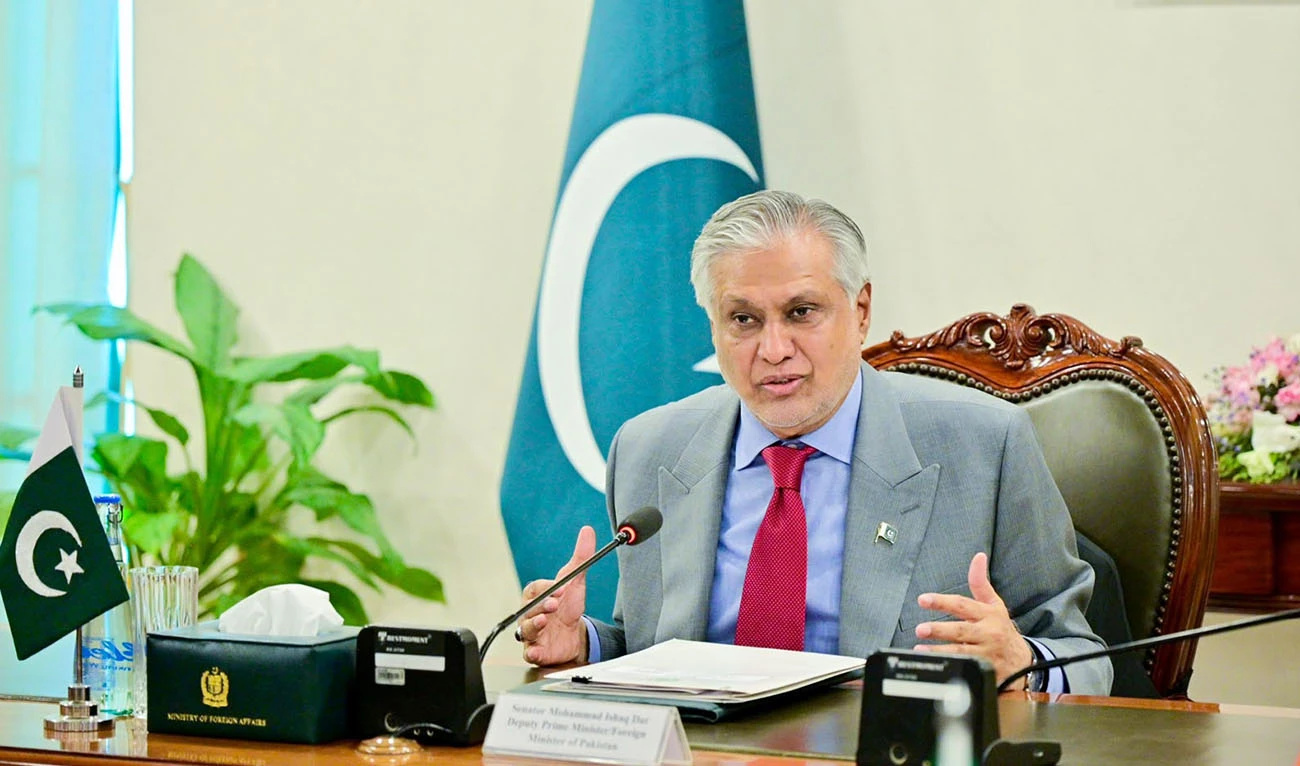
ISLAMABAD: Pakistan’s foreign office spokesperson on Monday expressed concern over acts of vandalism and violence targeting Christians and Muslims in India, urging the international community to protect vulnerable communities there.
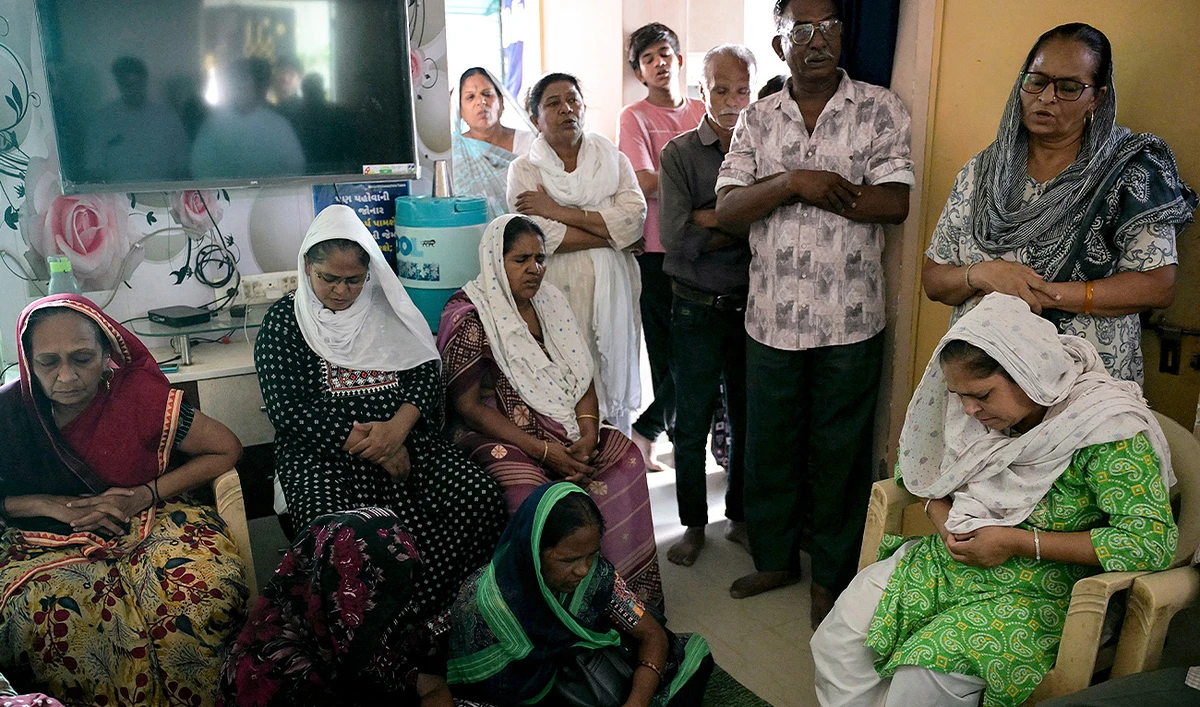
Christian and rights organizations have raised alarm over attempts by some Hindu far-right groups recently to disrupt Christmas celebrations in India. These included a series of attacks targeting members of the minority community there.
In one of the videos that went viral on social media, a local leader of Prime Minister Narendra Modi’s BJP party, Anju Bharvaga, can be seen assaulting a visually impaired Christian woman attending a Christmas event in Jabalpur city. Christian watchdog Open Doors International has said it recorded over 60 alleged attacks targeting Christians across India during the Christmas period.
“The persecution of minorities in India is a matter of deep concern,” the Pakistani foreign office said in a statement.
“Recent condemnable incidents of vandalism during Christmas, as well as state-sponsored campaigns targeting Muslims — including the demolition of their homes and repeated lynchings, notably the case of Muhammad Akhlaq, in which the state worked to shield the perpetrators from accountability — have deepened fear and alienation among Muslims,” it added.
Akhlaq, then 50, was beaten to death by a Hindu mob in 2015 in India’s Uttar Pradesh state after rumors spread he had stored and consumed beef, a claim his family denies.
The BJP-led state government of Uttar Pradesh recently asked a local court to drop the charges against the men involved in his lynching, triggering anger among rights activists in India.
Pakistan’s foreign office said the list of such victims of vigilante attacks in India is “sadly long.”
“The international community should take note of these developments and take appropriate steps to help protect the fundamental rights of vulnerable communities in India,” it said.
A report by US State Department in August said the Indian government took “minimal credible steps” or actions to identify and punish officials who committed human rights abuses in the country.
Amnesty International and Human Rights Watch also fault Modi’s government for its treatment of minorities in India.
They point to rising hate speeches, a religion-based citizenship law the UN calls “fundamentally discriminatory,” anti-conversion legislation that challenges freedom of belief, the 2019 removal of Muslim-majority Kashmir’s special status, and the demolition of properties owned by Muslims.
Modi denies discrimination and says his policies, such as food subsidy programs and electrification drives, benefit everyone.