

AlUla Peregrina Season showcases local agriculture, traditional farming

1 / 5
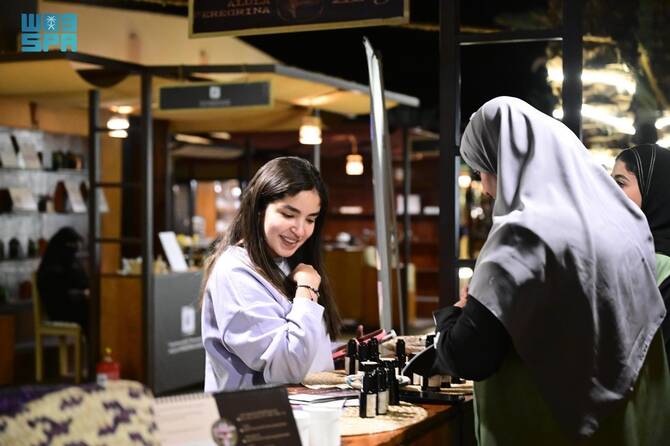
The event featured local farmers and producers, interactive experiences on the history, cultivation, and traditional harvesting of peregrina, and displays of fresh produce and locally made derivatives. (SPA)
2 / 5
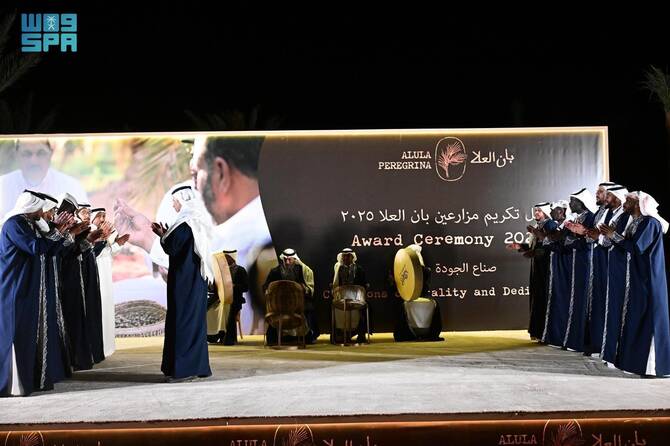
The event featured local farmers and producers, interactive experiences on the history, cultivation, and traditional harvesting of peregrina, and displays of fresh produce and locally made derivatives. (SPA)
3 / 5
The event featured local farmers and producers, interactive experiences on the history, cultivation, and traditional harvesting of peregrina, and displays of fresh produce and locally made derivatives. (SPA)
4 / 5
The event featured local farmers and producers, interactive experiences on the history, cultivation, and traditional harvesting of peregrina, and displays of fresh produce and locally made derivatives. (SPA)
5 / 5
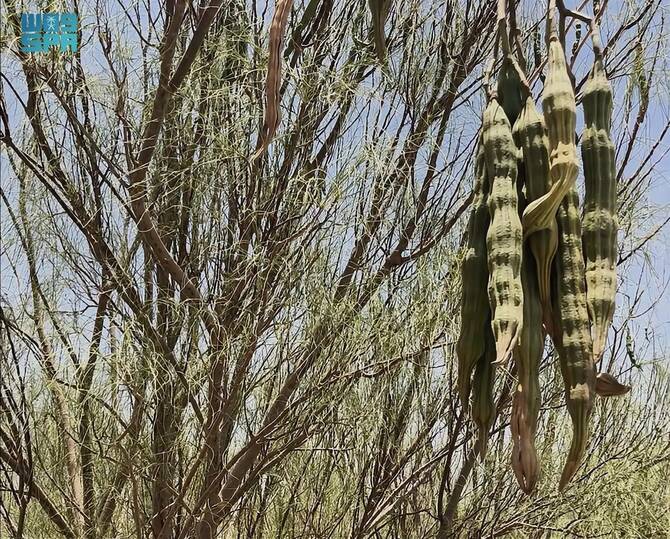
The Peregrina (Moringa Peregrina) tree is a century-old native desert resource renowned in Arabian culture for its cosmetic, nutritional, and therapeutic benefits. (SPA)
Short Url
Updated 13 December 2025
Follow

AlUla Peregrina Season showcases local agriculture, traditional farming

RIYADH: The second AlUla Peregrina Season, part of Khayrat AlUla, concluded on Saturday at the Al-Manshiyah Farmers Market, the Saudi Press Agency reported.

Organized by the Royal Commission for AlUla in partnership with AlUla Peregrina company, the two-day event “celebrated the region’s agricultural heritage and promoted a sustainable economy,” according to the SPA.

The season highlighted peregrina, one of AlUla’s rarest and finest agricultural products, “prized for its high quality and nutritional properties” and farmed using traditional methods.

The Peregrina tree is a centuries-old native desert resource renowned in Arabian culture for its cosmetic, nutritional, and therapeutic benefits.

The event featured local farmers and producers displaying fresh produce and locally made derivatives, as well as exhibitions focusing on the history, cultivation, and traditional harvesting of peregrina. It also included live cooking stations celebrating farm-to-table dishes, cultural performances, children’s activities, and workshops.

The AlUla Peregrina company “promoted the nutritional and economic value of peregrina, supporting agricultural value chains and empowering farmers,” the SPA added.

The Peregrina tree has been cultivated in AlUla for generations and continues to support the local economy. With its adaptability to desert environments and high-value oil, which is used in natural beauty products among other things, it represents a growing economic opportunity for the region.

Abobakar Alanazi, chairman and CEO of AlUla Peregrina, said: “Peregrina is an authentic expression of AlUla’s identity, reflecting the strong bond between the land and its people. Peregrina Season allows us to showcase the evolving potential of natural resources from the Arabian desert for the local and global cosmetics industry.”


Saudi Food and Drug Authority pioneering digital health safety

Updated 4 sec ago
Follow

Saudi Food and Drug Authority pioneering digital health safety

  • Digital foundation enabled the development of centralized dashboards that provide real-time analysis of adverse events
  • Major improvement has been the use of Robotic Process Automation (RPA) to ensure medication safety works smoothly

TOKYO: Saudi Arabia is establishing itself as a regional leader in digital health regulation by integrating advanced technologies into the Saudi Food and Drug Authority’s (SFDA) pharmacovigilance and cosmetic safety oversight.

In line with Vision 2030’s digital goals, these projects are creating new standards for using data to protect public health, according to the SFDA.

A report by the Oxford Business Group says the transformation began with modernising the National Pharmacovigilance Centre’s adverse reaction reporting system. Moving from paper-based submissions to the fully digital “Saudi Vigilance” platform marked a significant step forward.

The introduction of smart reporting forms with structured data fields and behavioural nudges grounded in psychological principles significantly improved reporting quality and completion rates.

This digital foundation enabled the development of centralised dashboards that provide real-time analysis of adverse events, enabling early identification of safety signals and under-reporting trends.

A major improvement has been the use of Robotic Process Automation (RPA) to ensure medication safety works smoothly. By letting computers handle repetitive tasks like sorting reports and checking data, the SFDA has become more efficient.

The new RPA system for identifying safety signals has also sped things up. These technology solutions have made work easier and happier employees by eliminating boring manual tasks.

The SFDA’s digital changes also help prevent risks by using new online learning tools. The aRMMs e-learning system, with training videos about high-risk medicines, has changed how health care workers learn. Adding digital safety steps directly into hospital computer systems has also made a big difference. This new approach puts safety alerts and learning materials directly into doctors’ daily work, ensuring important information reaches them when they need it.

Digital innovation has also helped prevent medication errors. Moving from the old Phonetic and Orthographic Computer Analysis system to the new Saudi Name Registration (SNR) platform has made it easier to spot potentially confusing drug names. With better computer programs that check both Arabic and English names, plus real-time alerts and automatic updates, the SNR system is a big step forward in ensuring the safety of medicines before they reach the market.

Looking ahead, the SFDA plans to use these digital changes to make cosmetic products safer as well.

Planned projects using artificial intelligence include computer systems that spot rule-breaking, automated ingredient checks, and tools that read customer feedback to identify early warning signs.

This digital strategy puts Saudi Arabia ahead in new ways of making rules. By using artificial intelligence, automation, and data analysis in its work, the SFDA is improving how it tracks medicine safety and preparing for further progress in keeping products safe for consumers.

All these efforts support Vision 2030’s goal of building a knowledge-based economy and keeping Saudi citizens as safe as possible.