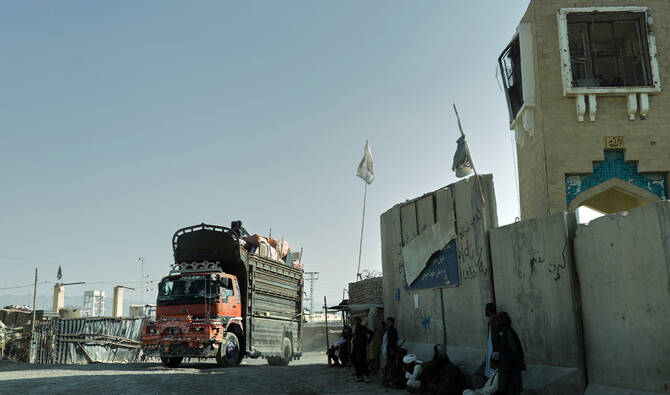

ISLAMABAD: Pakistan has authorized the movement of United Nations humanitarian cargo into Afghanistan through the Torkham and Chaman border crossings after nearly 50 days of disruption, according to an official notification issued by the Ministry of Commerce this week.
The clearance will apply to consignments from the World Food Programme (WFP), UNICEF and the UN Population Fund (UNFPA) under a phased plan agreed between Pakistani authorities and the UN Resident Coordinator’s Office.
The reopening follows the suspension of cross-border access after armed clashes between Pakistani and Afghan forces in October, which stalled the movement of people and goods, including relief shipments, at a time when aid agencies warn of worsening food insecurity and shortages of medicines inside Afghanistan.
The notification represents Islamabad’s first structured authorization for humanitarian transit since the freeze began, with the government saying clearance will start immediately.
“Principal decision is taken to allow phased movement of WFP, UNICEF and UNFPA containers initially as follows,” the commerce ministry letter dated Dec. 1 said.
The order instructs the Federal Board of Revenue and the Directorate General of Transit Trade to facilitate the onward movement of approved containers, with the first consignments to consist of food supplies, followed by pharmaceutical products and medical equipment, then other essential goods such as student and teacher kits.
Pakistan has said cargo will move through the border crossings at Chaman and Torkham, which serve as the primary land routes for Afghanistan’s imports and relief operations.
The decision comes amid a humanitarian crisis in Afghanistan, where the UN estimates that more than half the population requires assistance following economic collapse, sanctions and the withdrawal of foreign funding after the Taliban takeover in 2021. Aid agencies had warned in recent weeks that extended trade disruption at Pakistan-Afghanistan crossings risked deepening shortages for communities already facing winter and rising malnutrition.
Islamabad says the reopening applies only to UN humanitarian consignments and further expansion will depend on security conditions, compliance procedures and coordination with the UN and Afghan authorities.
In October, dozens of people were killed in air strikes and ground fighting between the South Asian neighbors, their deadliest confrontation since the Afghan Taliban seized power in Kabul in 2021.
Islamabad says Pakistani militants are based in Afghanistan, from where they send attackers into Pakistan. The Taliban administration in Afghanistan denies the presence on Pakistani militants there and says it does not allow Afghan soil to be used against other countries.