


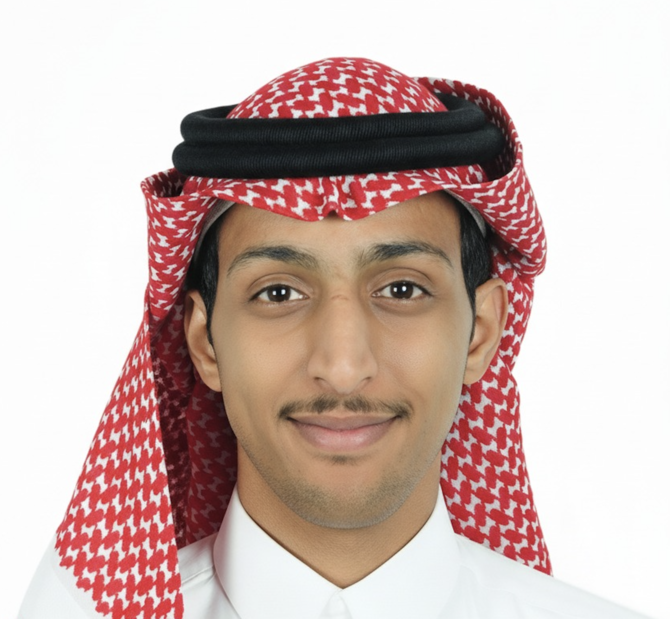

ALKHOBAR: Saudi Arabia’s rapid push into advanced technology continues to create space for young innovators who blend science, creativity, and cultural insight. Among this emerging talent is 23-year-old Ahmed Al-Malki, founder of Minus Zero and lead researcher at NeuroVate Lab, whose work seeks to connect artificial intelligence with human psychology in ways that could contribute to ongoing efforts in education, talent development, and data-driven decision-making.
Minus Zero, the platform Al-Malki developed, uses AI to analyze language and uncover patterns in how people think and make decisions. By merging psychology, linguistics, and data science, the system turns written text into insights related to cognition and emotional balance.
“The goal was simple,” Al-Malki told Arab News. “To build a system that understands how humans think, not just in English, but in Arabic too.”
Minus Zero began as a company research project before evolving into a wider research initiative. It draws from the BEGINING Scale, a model created by academic Dr. Ibrahim Al-Hussein to assess creativity, balance, and decision-making.
“We wanted to bring this model to life,” Al-Malki said. “We wanted to bridge psychology and technology, turning complex human traits into measurable data.”
With a background in computer science, he became interested in how language reflects thought. Word choice, sentence structure, and expression can reveal cognitive tendencies, and this idea shaped the foundation of the Minus Zero model.
Through the platform, everyday writing can be analyzed and displayed in formats that could support education, recruitment, and performance discussions.
A student’s writing could highlight their creative range, while an employee’s report might indicate analytical strengths or communication patterns.
Al-Malki also recognized a gap in the local market: Most psychometric tools were developed abroad, trained in English, and did not fully reflect the Arab language or cultural context.
“In Saudi Arabia, most assessments are static, imported, or linguistically biased,” he said. “They don’t reflect how we think or communicate.”
Minus Zero addresses that by offering bilingual analysis in Arabic and English, designed to better account for local language and cultural nuance.
As AI adoption accelerates under Vision 2030, privacy and fairness have become key considerations. Al-Malki designed the platform with these priorities in mind. It uses federated learning, a decentralized method that trains AI on encrypted data without transferring personal information.
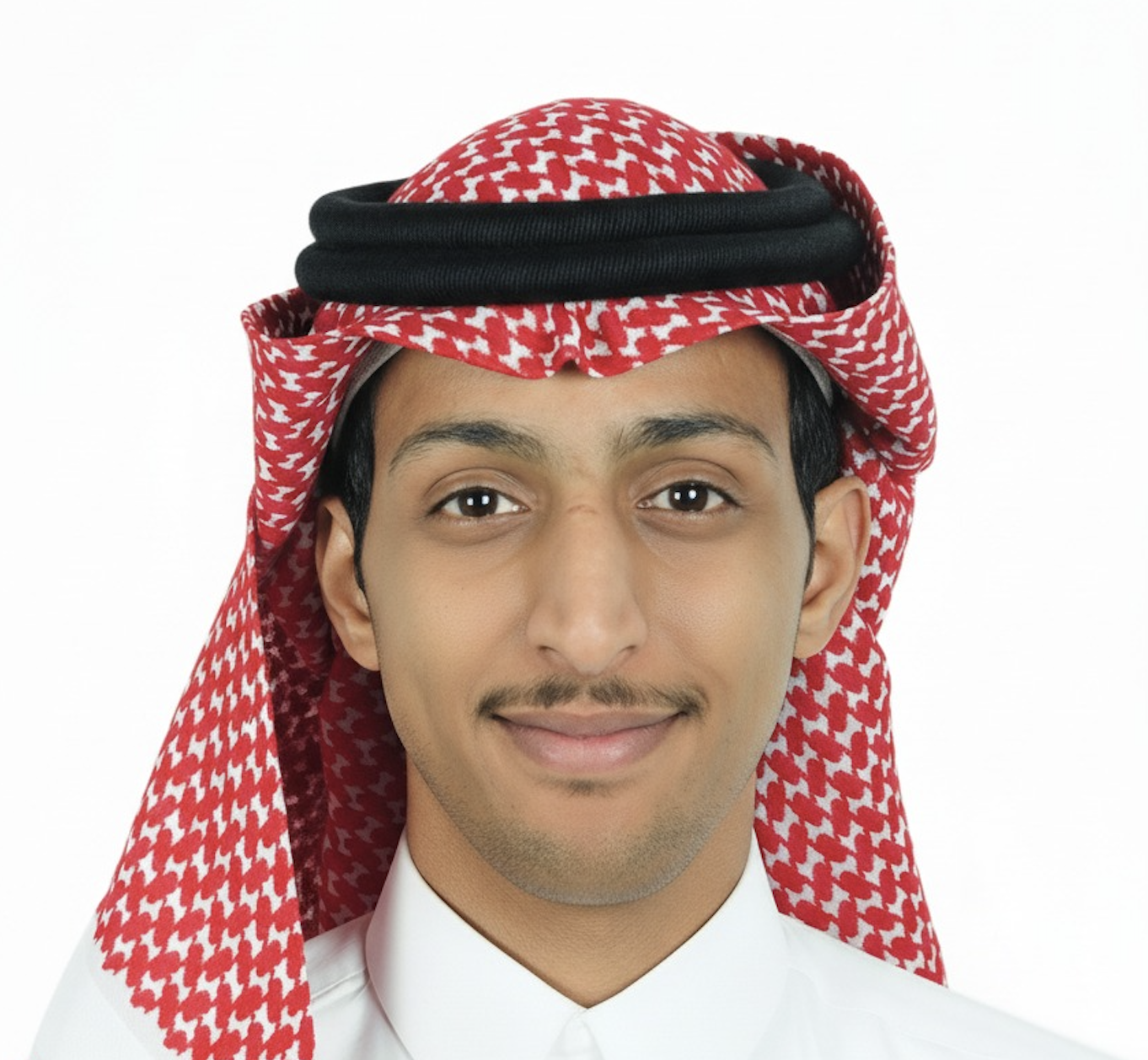
“We built it so privacy is never compromised,” he said. “User data stays where it belongs, but the system still learns and improves.”
Fairness is also central to the system. Minus Zero was trained on balanced datasets to minimize linguistic or demographic bias.
“Our goal is ethical AI — systems that serve people, not exploit them,” Al-Malki said.
Behind the platform is NeuroVate Lab, founded by Al-Malki and operating as a specialized division within GCAD, a Saudi tech startup, to connect academic psychology with applied technology.
“At NeuroVate, we transform scientific theory into real tools,” he said. “Every project starts as a research question in cognitive psychology or neuroscience, then we use AI to make it practical for education, HR, or behavioral analytics.”
The lab is already running pilot programs with schools and companies to test tools that assess creativity, stress management, and decision-making. Educators use the data to understand how students learn, while employers apply it to improve leadership and teamwork.
“Some come in thinking it’s just another assessment,” he said. “But when they see their data visualized, they recognize how it mirrors their mindset — their focus, balance, and even stress patterns.”
Al-Malki’s work aligns with Vision 2030 goals centered on developing local talent and integrating technology into national systems. Minus Zero supports this by offering tools that can help personalize learning and inform data-driven hiring.
“AI can help identify innovators and leaders early, aligning individual potential with national goals,” he added.
His long-term vision is to see greater use of AI-based cognitive tools in education and employment systems, giving students and professionals a dynamic profile that evolves with them.
“When I see someone’s data visualized through Minus Zero, I don’t see numbers,” he said. “I see possibility. I see how science can make us more self-aware.”
As Saudi Arabia invests heavily in innovation and future skills, young researchers like Al-Malki highlight the role local talent plays in contributing to the Kingdom’s technological landscape, not only through new tools but through ideas that reflect the region’s language, culture, and aspirations.


