- The TTP has been behind some of the deadliest attacks inside Pakistan since late 2000s and has mounted its attacks in recent years
- Danish envoy Sandra Jensen Landi stresses continued vigilance, close multilateral cooperation to counter ‘foreign terror movements’
ISLAMABAD: The Tehreek-e-Taliban Pakistan (TTP), which has carried out mass attacks inside Pakistan, has been receiving “substantial” support from the “de facto Afghan authorities,” the Danish deputy permanent representative to the United Nations (UN) told the Security Council on Wednesday.
The statement comes amid a surge in militant attacks, mainly by the TTP, that target security forces, law enforcement and government officials in Pakistan’s western regions that border Afghanistan.
Islamabad has frequently accused Afghanistan of allowing the use of its soil and India of backing the TTP and other groups for attacks against Pakistan. Kabul and New Delhi deny this.
Danish deputy permanent representative to the UN Sandra Jensen Landi told the Security Council that the militant group poses a “serious threat” to peace in the region.
“The TTP with its approximately 6,000 fighters is another serious threat emanating from the region, receiving both logistical and substantial support from the de facto authorities,” she said, while briefing a UNSC meeting.
“The TTP has conducted numerous high-profile attacks against Pakistan from Afghan soil, some of which incurred mass casualties.”
The TTP has been behind some of the deadliest attacks in Pakistan since late 2000s and has stepped up its attacks since Nov. 2022, when a fragile truce between the group and Islamabad collapsed.
The group is separate from the Afghan Taliban but is viewed by Pakistani officials as an ally of the Afghan authorities. Kabul denies backing the TTP.
Last month, Pakistan and Afghanistan clashed along their 2,600-kilometer border over the surge in attacks, before agreeing to a ceasefire in Doha on Oct. 19. Tensions, however, remain high between the neighbors as militant attacks continue in Pakistan’s regions bordering Afghanistan.
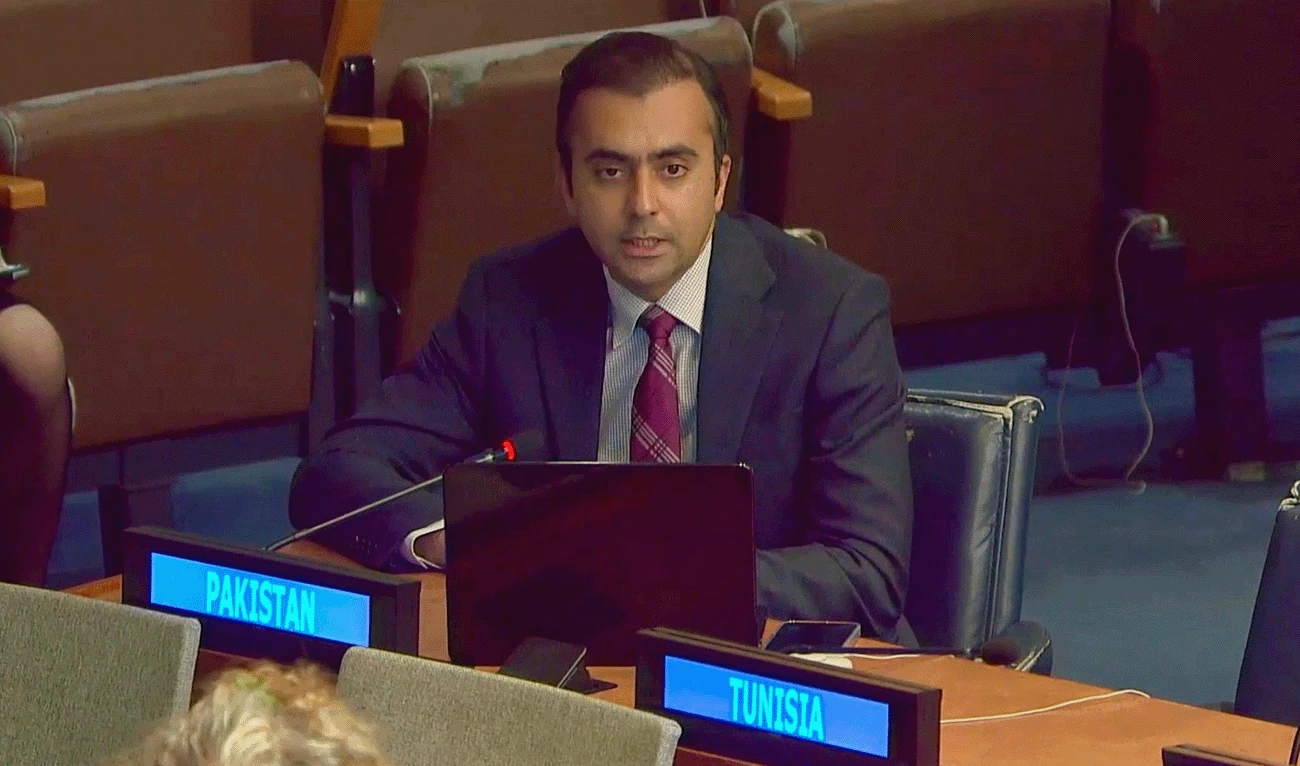
Ambassador Usman Jadoon, Pakistan’s deputy permanent representative to the UN, said his country suffered over 80,000 casualties and billions of dollars in economic losses in the fight against terrorism.
“Our valiant security forces and law enforcement agencies continue to counter the terrorism threat emanating from Afghanistan where entities like ISIL-K (Daesh-Khorasan), TTP and its affiliates, BLA (Balochistan Liberation Army) and the Majeed Brigade are thriving under the patronage of their hosts and backed by our principal adversary,” he said, in a reference to India.
Landi said Daesh (Islamic State), Al-Qaeda and their affiliates continue to step up their propaganda and exploit social media platforms to glorify violence, recruit youth and raise funds, calling for close multilateral cooperation to counter these threats.
“Across regions, foreign terrorist fighter movements, particularly between Syria, Africa and Central Asia, remain a persistent concern for member states,” she said.
“These developments underscore the need of continued vigilance and close multilateral cooperation.”