JEDDAH: Saudi Arabia’s real estate sector is witnessing strong growth, driven by government-led projects, new regulations, and shifting demographics, experts said at the 19th Real Estate Development Summit in Jeddah.
The two-day event opened on Nov. 12 at the Ritz-Carlton, bringing together industry leaders, innovators, and executives for discussions, networking, and business-to-business meetings featuring over 40 speakers.
Rooted in Saudi Vision 2030, the summit highlighted the sector’s transformation through sustainability, technology, and human-centric design. Sessions covered emerging trends such as biotech cities, advanced HVAC systems, and evolving definitions of luxury.
Speaking to Arab News, Essam Ahmad Kalthoum, CEO of Asmou Development Co., discussed opportunities emerging from strong demographic trends, regulatory reforms, and Vision 2030-led transformation.
“We are firm believers in the potential of the Saudi market, of course led by the vision of His Highness Prince Mohammed bin Salman,” he said, adding that major reforms and financial restructuring are helping turn Vision 2030 into reality.
He said demand is increasing across all sectors, especially hospitality, logistics, and infrastructure. As a developer active in multiple areas — from construction to sales — he noted that they are finding opportunities across the board.
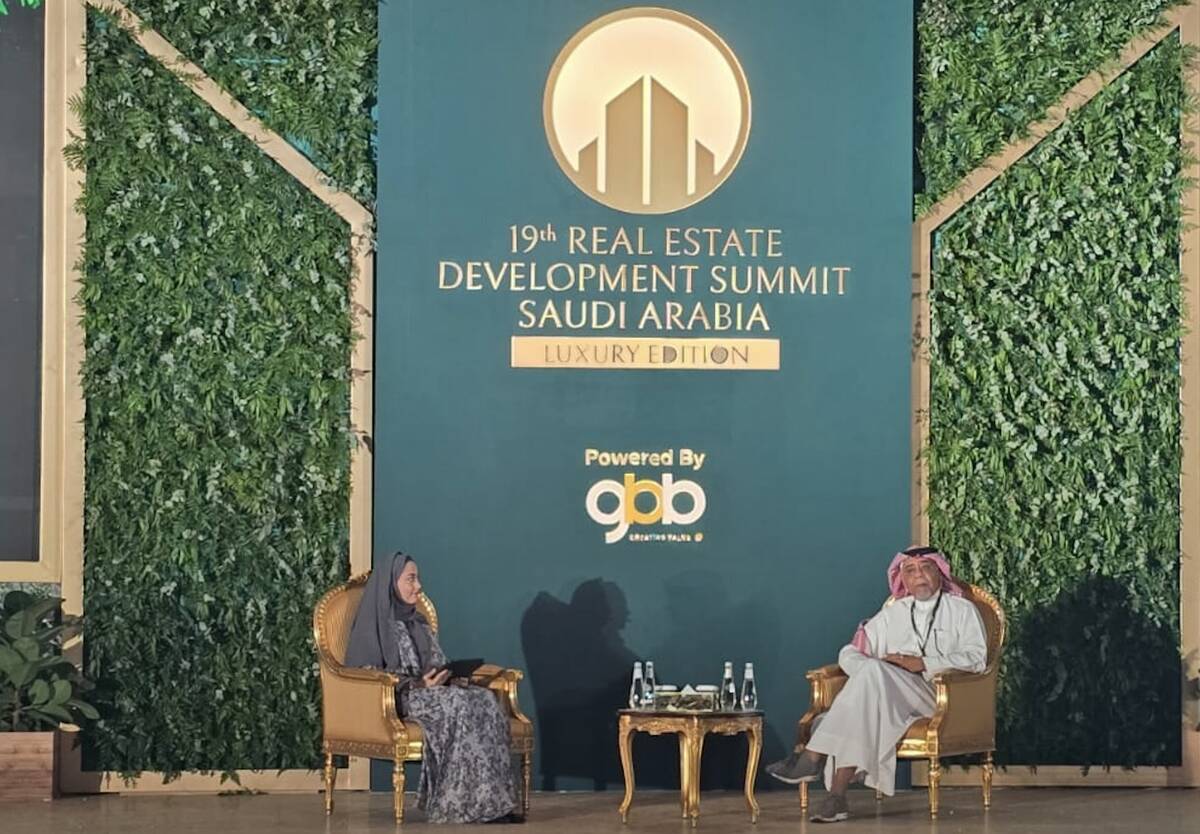
Essam Kalthoum, CEO of Asmou Development Co., during a session moderated by Lama Al-Hamawi of Arab News. AN photo
Noting sector challenges, he said demographics show a 2.3 percent annual birth rate, with over 35 percent of the population in younger age groups, who are naturally seeking housing.
He said younger buyers prefer smaller, well-designed units with lifestyle amenities nearby.
“They don’t mind compact units, but they look for amenities and services and lifestyle in the neighborhood. So, these are creating a lot of opportunities.”
In Riyadh, he said, government-backed projects are driving momentum, while Jeddah, Al-Khobar, Makkah, and Madinah remain key markets due to their strategic and cultural importance.
He added that Jeddah, as the gateway to the two holy cities, is a city rich in heritage with significant potential and capacity, being both a coastal hub and key trading center.
Kalthoum added that financial sector reforms are making project funding easier through clearer frameworks and investment structures, describing them as a “game changer” for developers.
In a presentation, Ron Bakker, co-founder of PLP Architecture, underscored the value of mixed-use, walkable urban developments that encourage community interaction and reduce long commutes.
He cited Tokyo and London projects where residential, office, and leisure spaces coexist, saying similar approaches can enhance livability in fast-growing cities like Riyadh.
Bakker emphasized creating areas that are destinations in themselves, moving away from the suburban model and keeping cities active throughout the day. With rapidly growing cities like Riyadh, he noted the importance of focusing on quality lifestyles rather than long commutes.
“We put together a scenario where everyone can learn from, and these are always about history. They are about what makes places tick,” Bakker added.
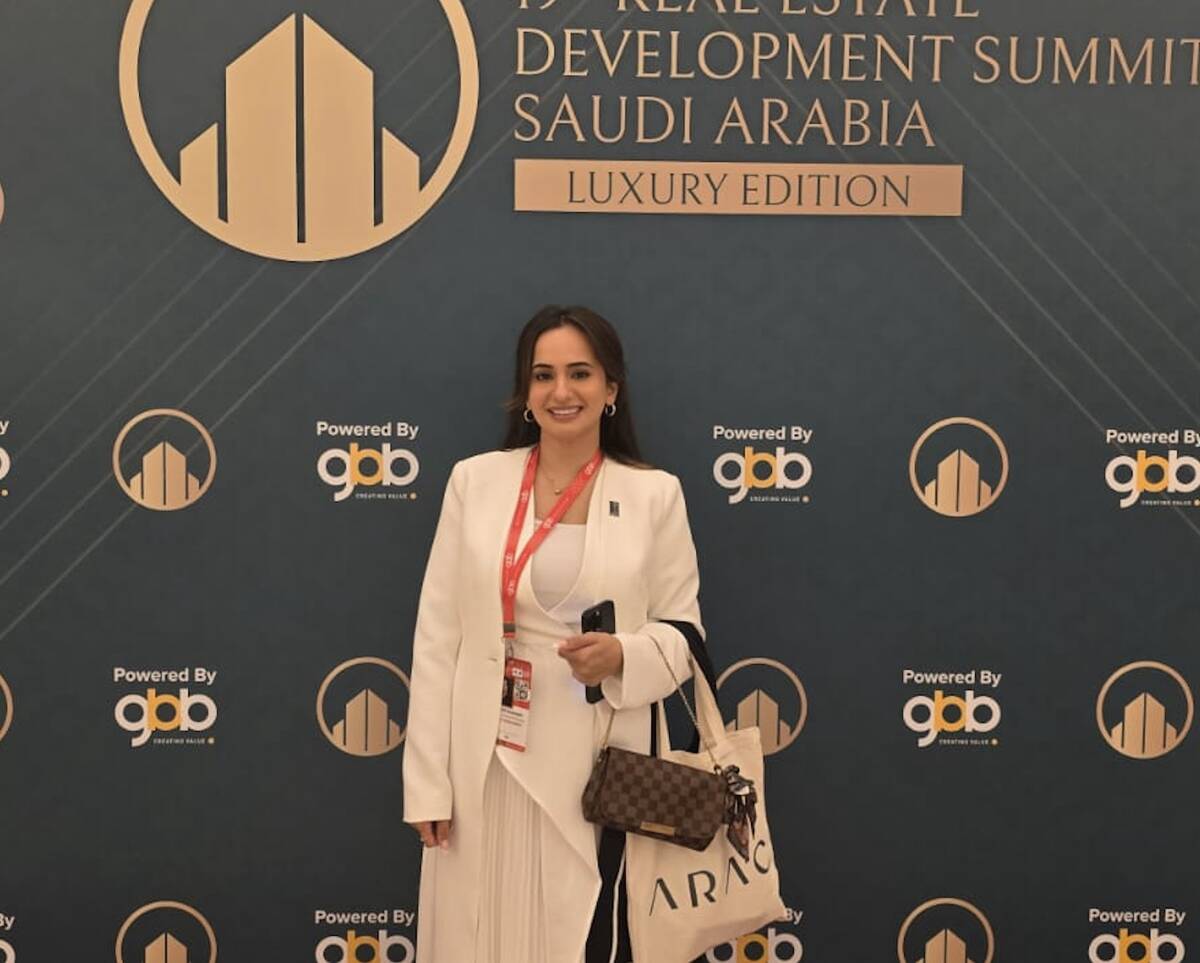
Lamees Al-Ghamdi, business development manager at ARAC, a subsidiary of Retal Urban Development Co. AN photo
Commenting on how Saudi Arabia’s design sector has evolved from standard to luxury, Lamees Al-Ghamdi, business development manager at ARAC, a subsidiary of Retal Urban Development Co., said: “We actually started without a clear standard — at the beginning, anything we liked felt like an upgrade for us.”
Then, she added, as we began working on more beautiful projects and gained exposure in the global market, international players started entering the Kingdom.
“Through this interaction, we learned about higher standards, and naturally, we began aiming higher. That’s when the concept of luxury started taking shape for us, and marketing for high standards became associated with luxury,” she told Arab News.
Al-Ghamdi emphasized the importance of preserving Saudi identity, noting that while they work in the luxury field, they ensure each project reflects local heritage and community through a distinct Saudi touch.
She said Saudi Arabia can preserve its identity by promoting it, citing Diriyah as an example where “our heritage has become synonymous with sophistication.”