

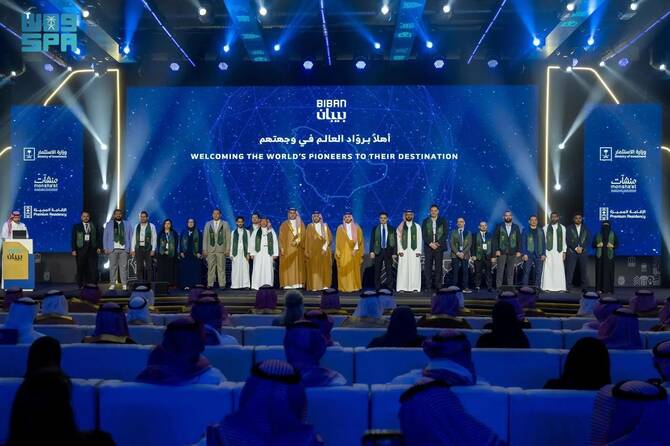


RIYADH: The Premium Residency Center has awarded the “Entrepreneurship Residency” permit to more than 100 entrepreneurs from over 20 countries during the Biban 2025 Forum.
Organized by the Small and Medium Enterprises General Authority, known as Monsha’at, the four-day event — held at the Riyadh Front Exhibition and Convention Center under the theme “A Global Destination for Opportunities” — serves as a key platform to support startups and promote entrepreneurship in Saudi Arabia.
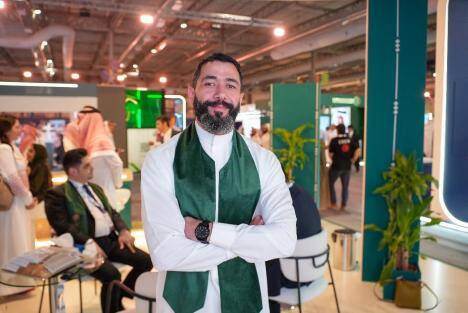
Arab News spoke with two recipients of the Entrepreneur Residency who shared their reflections on the program.
Majdi Allulu, founder and CEO of Grintafy, a Saudi-based sports technology startup, which he described as “LinkedIn for football players.”
“The process was smooth and simple,” he said. “As a sports tech entrepreneur, it’s an honor to be recognized for our contribution to the Kingdom’s ecosystem. This residency motivates us to continue building and contributing to Saudi Arabia’s growing innovation landscape.”
Another entrepreneur, Sharene Lee, co-founder of Takadao, shared how the Premium Residency has transformed her experience as a long-time expatriate entrepreneur in the GCC.
“I’ve been in Saudi Arabia for about ten years and co-founded Takadao, a blockchain-based alternative to traditional financial services,” Lee explained.
“When we heard about the program, we qualified under the entrepreneur category, The application process was very straightforward.”
Lee highlighted how the residency has provided her with much-needed stability and convenience.
“As an entrepreneur, life is full of ups and downs,” she said. “The Premium Residency gives you peace of mind—you don’t have to worry about renewing visas or travel restrictions.
“It also allows me to buy property and truly plant roots here. My entire family, including my parents, is in Saudi Arabia now. This program lets us build a real, sustainable future.”
The initiative is part of the center’s ongoing efforts to strengthen the Kingdom’s position as a global hub for talent, innovation, and investment. It also supports Saudi Arabia’s Vision 2030 objectives to create a competitive, diversified economy that fosters innovation and empowers entrepreneurs.
The “Entrepreneurship Residency” is one of the center’s flagship offerings, designed for founders of startups with innovative technological solutions who aim to grow their ventures within the Kingdom. The program contributes to the national economy by enabling high-impact ventures and creating quality job opportunities.
The center said granting premium residency to entrepreneurs reflects Saudi Arabia’s commitment to attracting global innovators and enabling them to expand their businesses in an ecosystem that encourages competitiveness and economic sustainability.
The Premium Residency Center currently offers seven residency products: Exceptional Talent Residency, Talent Residency, Business Investor Residency, Entrepreneur Residency, Property Owner Residency, Fixed-Term Residency, and Indefinite-Term Residency.
These residencies provide holders with a range of benefits, including residency in the Kingdom with family members, the ability to conduct business, property ownership, and the right to host relatives, among other privileges.
Biban 2025 plays a key role in advancing Saudi Arabia’s entrepreneurship landscape by connecting founders with investors, enabling knowledge exchange, and expanding business growth opportunities both locally and globally.


