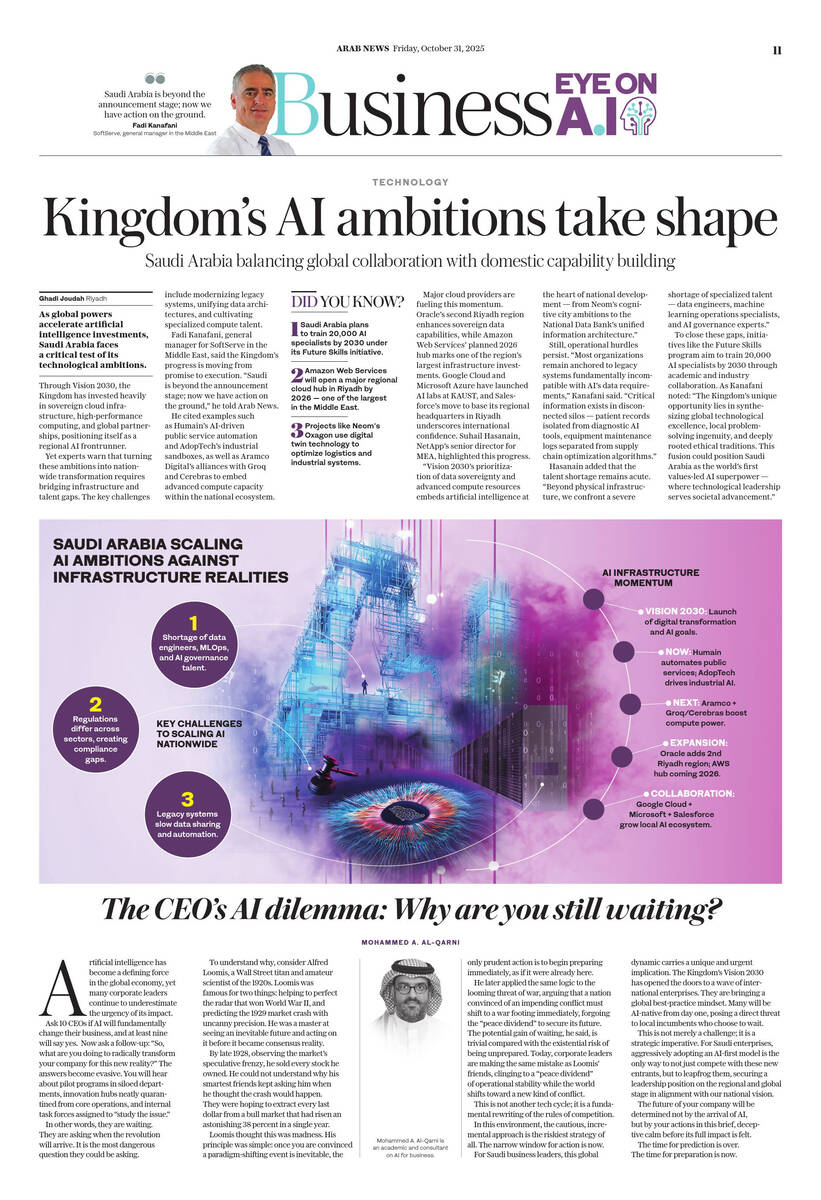
- Kingdom balancing global collaboration with domestic capability building
RIYADH: As global powers accelerate artificial intelligence investments, Saudi Arabia is confronting a defining moment in realizing its digital transformation ambitions.
Through Vision 2030, the Kingdom has made foundational investments in sovereign cloud infrastructure, high-performance computing, and international partnerships, positioning itself as a regional AI frontrunner.
However, industry experts caution that translating these ambitions into nationwide impact requires addressing three core challenges: modernizing legacy hardware systems, creating unified data architectures, and cultivating specialized compute talent.
The central question remains: Does Saudi Arabia possess the infrastructure needed to deliver AI at visionary scale?
Fadi Kanafani, general manager for SoftServe in the Middle East, said the Kingdom’s progress is already tangible. “Saudi is beyond the announcement stage; now we have action on the ground,” he told Arab News.
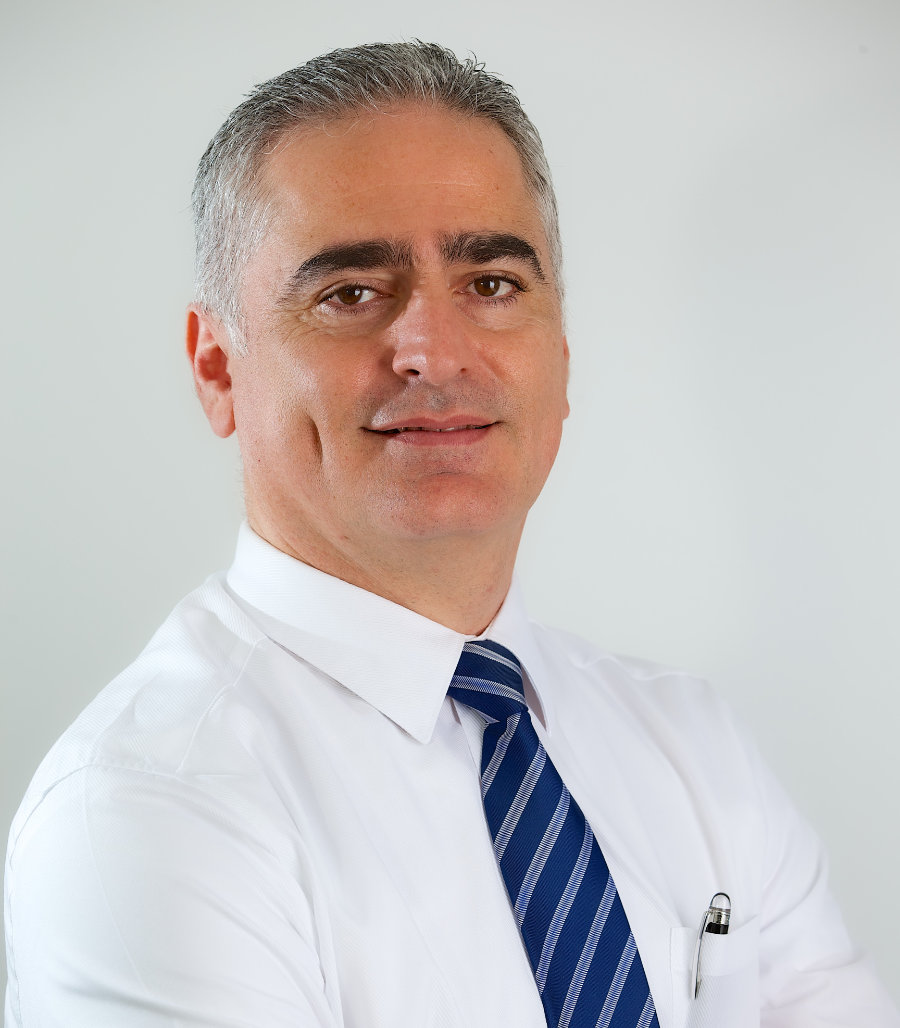
Kanafani cited Humain’s AI-driven public service automation and AdopTech’s industrial sandboxes for manufacturing innovation as examples of execution beyond strategy. He also noted Aramco Digital’s alliances with hardware pioneers such as Groq — known for ultra-low latency inference engines — and Cerebras, a leader in wafer-scale computing, as evidence of cutting-edge capacity being embedded directly into the national ecosystem.
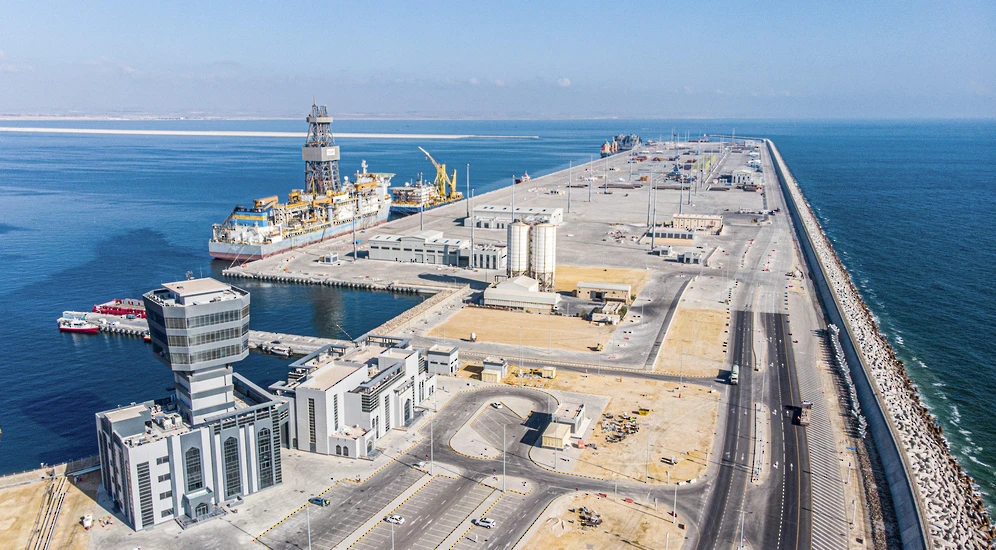
Global cloud providers are amplifying this momentum through substantial infrastructure commitments. Oracle’s second Riyadh region enhances sovereign data capabilities for government entities, while Amazon Web Services’ upcoming 2026 regional hub marks one of the Middle East’s largest cloud investments, Kanafani said.
At the academic front, Google Cloud and Microsoft Azure have launched AI innovation labs at King Abdullah University of Science and Technology, while Salesforce’s decision to base its regional headquarters in Riyadh signals growing international confidence in the Kingdom’s digital roadmap.
Suhail Hasanain, NetApp’s senior director for the Middle East and Africa, echoed that alignment.
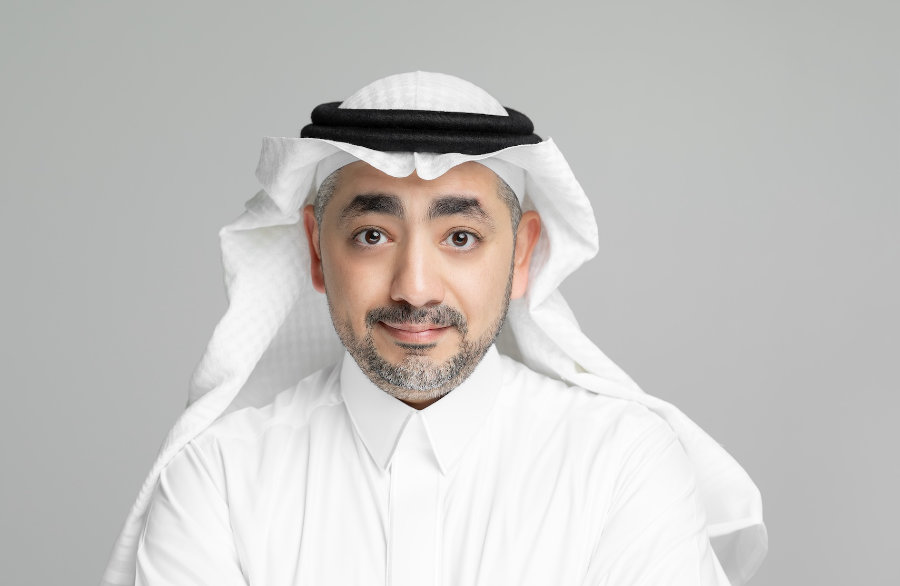
“Saudi Arabia has made remarkable progress in establishing foundations for AI-driven transformation,” he said. “Vision 2030’s prioritization of data sovereignty and advanced compute resources embeds artificial intelligence at the heart of national development — from Neom’s cognitive city ambitions to the National Data Bank’s unified information architecture.”
Legacy systems and talent gaps
Despite robust infrastructure growth, large-scale enterprise adoption still faces operational barriers. Outdated financial systems, fragmented electronic health records, and siloed industrial datasets continue to constrain AI’s full potential.
Kanafani pointed to these friction points: “Most organizations remain anchored to legacy systems fundamentally incompatible with AI’s data requirements. Critical information exists in disconnected silos — patient records isolated from diagnostic AI tools, equipment maintenance logs separated from supply chain optimization algorithms.”
Regulatory complexity compounds the challenge. “Governance frameworks vary significantly across healthcare, financial services, and critical infrastructure sectors, creating compliance uncertainty during scaling,” Kanafani added.
Hasanain stressed the human capital dimension. “Beyond physical infrastructure, we confront a severe shortage of specialized talent — data engineers capable of curating trusted datasets, machine learning operations specialists to productionize models, and AI governance experts to ensure ethical deployment.”
He outlined three pillars for closing these gaps: establishing benchmark datasets, building hybrid systems that balance performance with sovereignty, and developing comprehensive workforce pipelines to operationalize AI across sectors.
From pilots to real-world impact
Across energy, healthcare, and logistics, real-world applications are already demonstrating AI’s potential when aligned with national priorities.
In energy, Aramco uses predictive maintenance algorithms to anticipate equipment failures before they disrupt operations. In healthcare, institutions like King Faisal Specialist Hospital leverage computer vision tools for faster, more accurate medical imaging analysis. Meanwhile, Neom’s Oxagon industrial zone applies digital twin technology to simulate logistics before implementation.
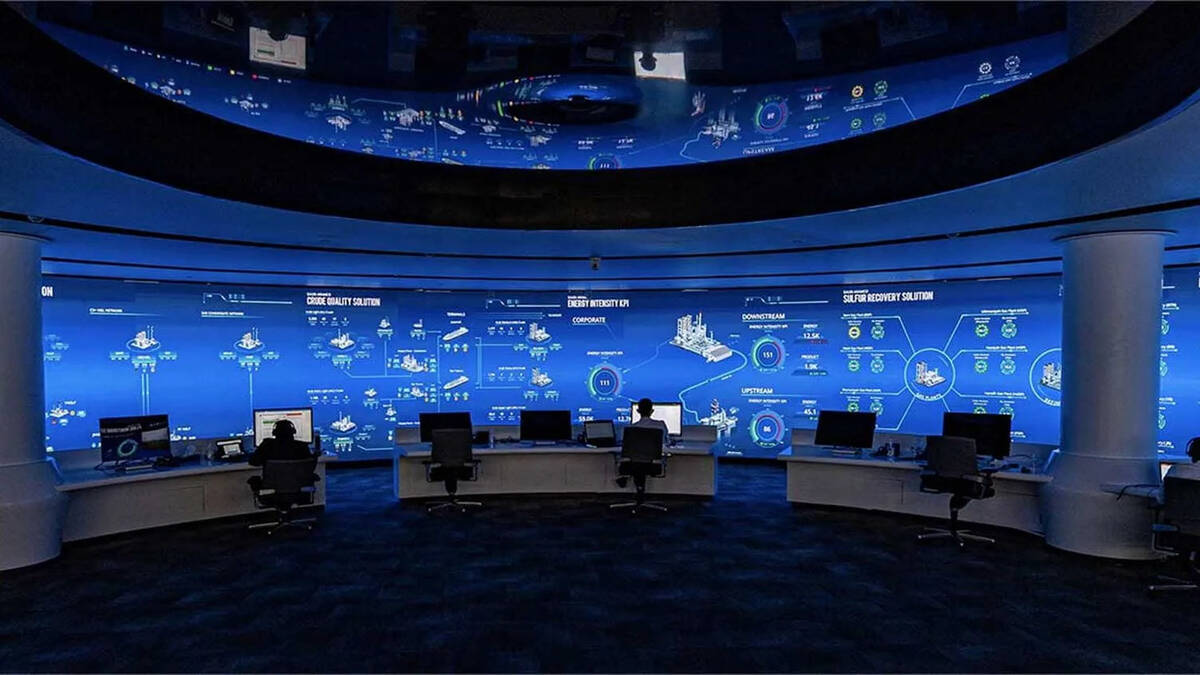
NetApp underpins such innovations through adaptable infrastructure solutions. “We empower organizations to orchestrate AI workloads seamlessly across sovereign cloud environments like STC’s and global hyperscalers like Microsoft Azure,” Hasanain explained.
He added: “For a major Riyadh-based financial institution, we integrated transaction data across 200 branches into a unified real-time fraud detection platform — significantly enhancing security while reducing operational costs.”
SoftServe, meanwhile, applies a co-creation model. “We partner deeply with Saudi organizations to build purpose-driven solutions,” Kanafani said.
“For a Tabuk agricultural enterprise, we developed a custom AI model that optimizes irrigation by synthesizing satellite imagery, soil moisture sensors, and weather pattern analysis – delivering measurable water conservation outcomes.”
Kanafani emphasized that organizational culture must evolve alongside technology. Their approach embeds change management from the outset, ensuring readiness for transformation.

Balancing sovereignty and collaboration
The interplay between national priorities and international innovation continues to define Saudi Arabia’s AI journey.
“Data sovereignty remains non-negotiable for sensitive applications in national security, central banking, and citizen services,” Hasanain said. “Yet strategic collaborations with global technology leaders accelerate capability development – such as deploying NVIDIA’s advanced DGX systems while simultaneously training Saudi engineers to manage them locally.”
Kanafani pointed to hybrid models gaining traction: “Leading Saudi manufacturers increasingly adopt blended architectures — maintaining proprietary process data on localized secure servers while leveraging global cloud scalability for supply chain optimization and market intelligence applications. This harmonizes control with flexibility.”
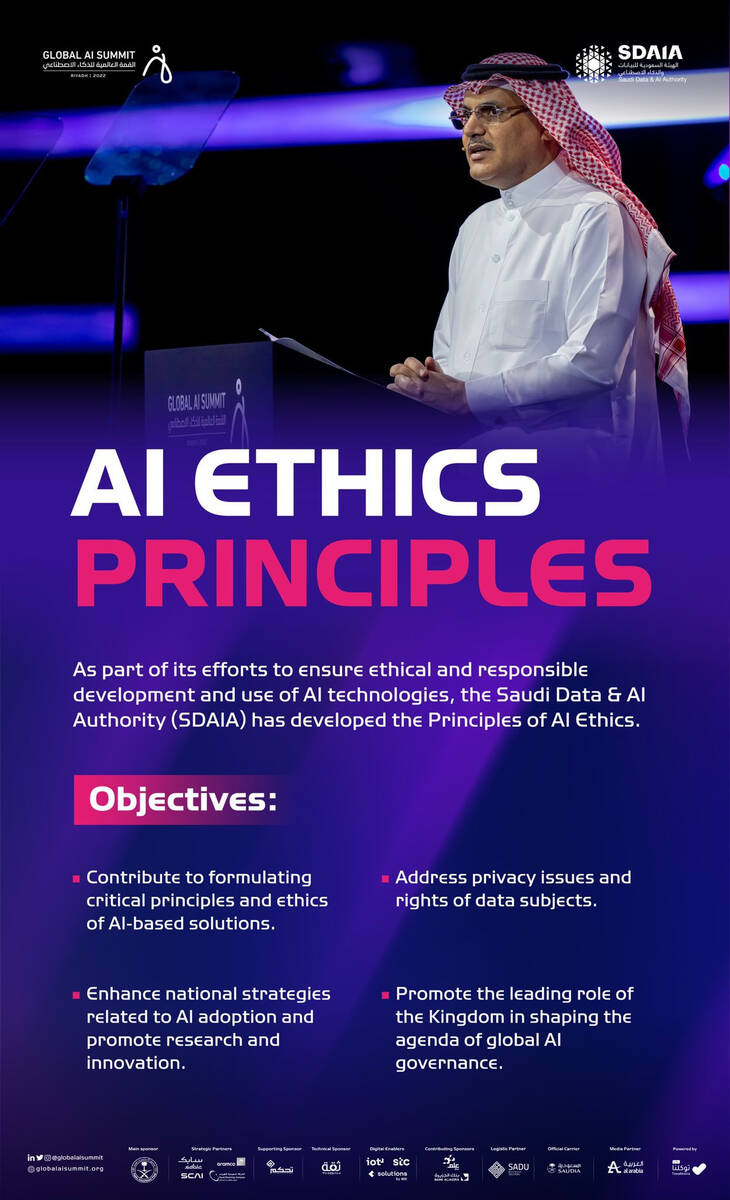
As Saudi Arabia develops national AI ethics guidelines, Kanafani underscored proactive design: “Responsible innovation requires embedding bias detection and algorithmic transparency mechanisms directly into AI systems during development — not attempting remediation after deployment reveals ethical shortcomings.”
Building the AI workforce
The Kingdom’s Future Skills initiative aims to train 20,000 AI specialists by 2030 through academic partnerships and hands-on industry experience.
Hasanain noted the importance of integrating learning with real-world exposure. “Oracle’s developer academies provide vital theoretical foundations, but sustainable capability requires integrating graduates into real-world industry projects where they confront practical scaling challenges.”
Still, both experts warn that success will hinge on disciplined execution. “Underestimating cybersecurity requirements or data governance complexity undermines even the most sophisticated AI initiatives,” Kanafani cautioned.
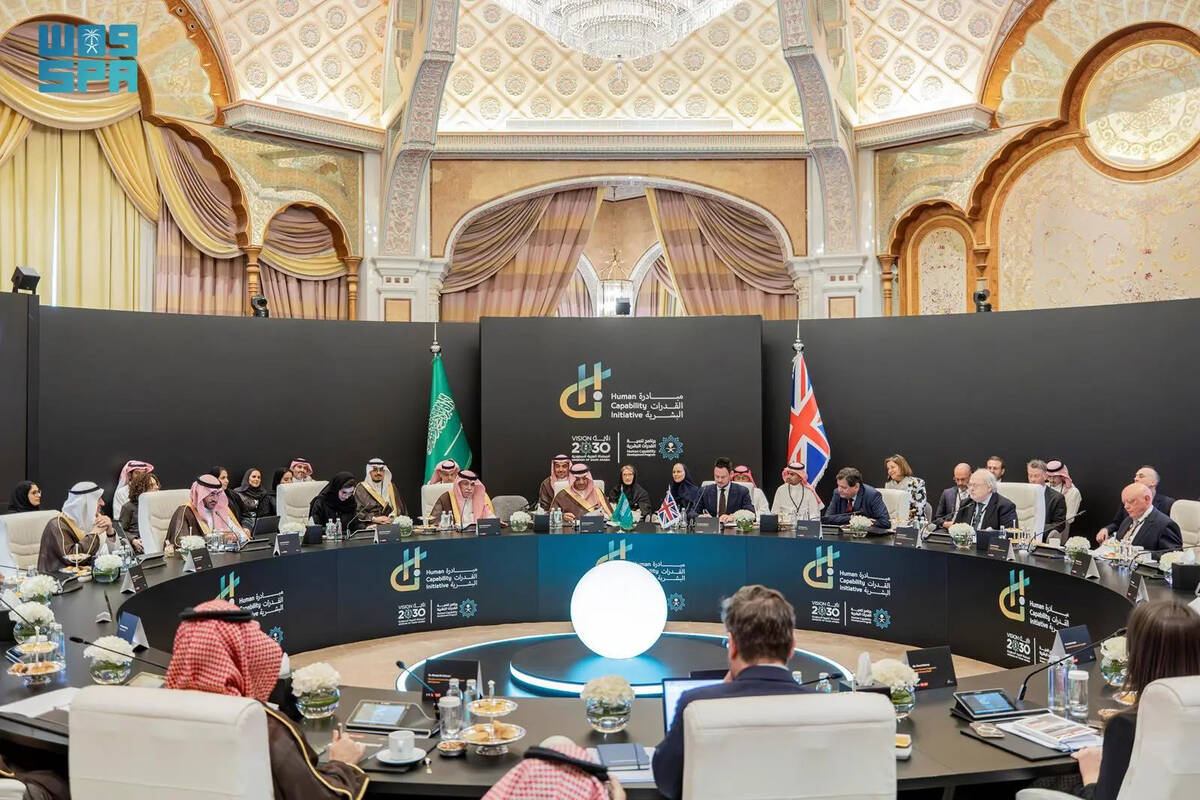
As the global race for AI infrastructure intensifies, Saudi Arabia’s investments have positioned it to translate ambition into regional leadership. Yet, as Hasanain noted, sustaining momentum will require operational focus.
“Our trajectory is clear, but achieving scalable impact demands relentless focus on data accessibility and talent density — transforming pilot potential into nationwide transformation.”
Kanafani concluded with a vision of distinction: "The Kingdom’s unique opportunity lies in synthesizing global technological excellence, local problem-solving ingenuity, and deeply rooted ethical traditions. This fusion could position Saudi Arabia as the world’s first values-led AI superpower — where technological leadership serves societal advancement.”