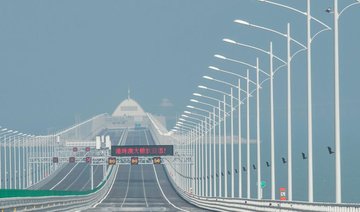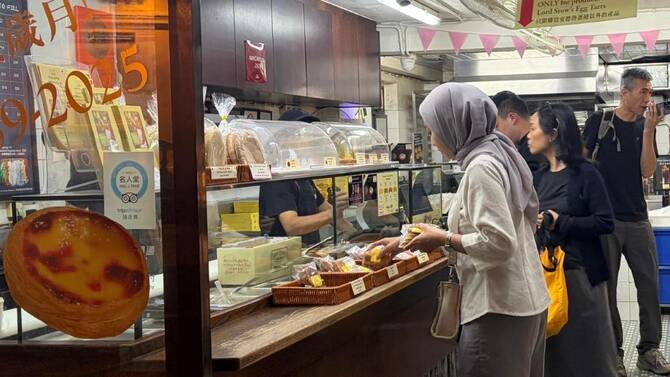

MACAO: Macao, one of China’s two special administrative regions, is preparing to welcome visitors from the Middle East, its tourism chief said on Monday, as the city increases efforts to expand its halal food and Muslim-friendly travel options.
Located in the Pearl River Delta on China’s southern coast, Macao was a Portuguese colony for over 400 years. In 1999, its sovereignty was officially transferred back to China, which made it one of its two special administrative regions, alongside Hong Kong.
The city spans only 30 sq. km and has a population of about 700,000, who enjoy one of the world’s highest gross domestic products per capita.
Among Macao’s key sectors is tourism, which it recently started to orient also toward the Middle Eastern market. In February this year, the Macao Government Tourism Office sent a special trade delegation to Riyadh and Dubai to promote the city as a travel destination.
“It’s the first time that we are doing our own seminars there. We used to participate in the Arabian Travel Market for quite some years already, but really doing something on our own — it’s the first time that we’re doing that. It’s a new market which we are moving into,” MGTO Director Maria Helena de Senna Fernandes told Arab News.
“We have started with training programs for our local hoteliers, as well as our travel agencies, as well as other people who are working in the tourism industry ... to give them a deeper understanding of what Muslim travelers need.”
One of the key elements of the effort is raising awareness about Muslim dietary rules among local establishments and a certification program for those that are ready to enter the market.
Ahead of sending a delegation to Riyadh, the MGTO published its first travel guide for Muslim tourists to offer tips on cultural, shopping, recreational, and family activities, as well as information on halal-certified products and dining options, including Middle Eastern and local fare.
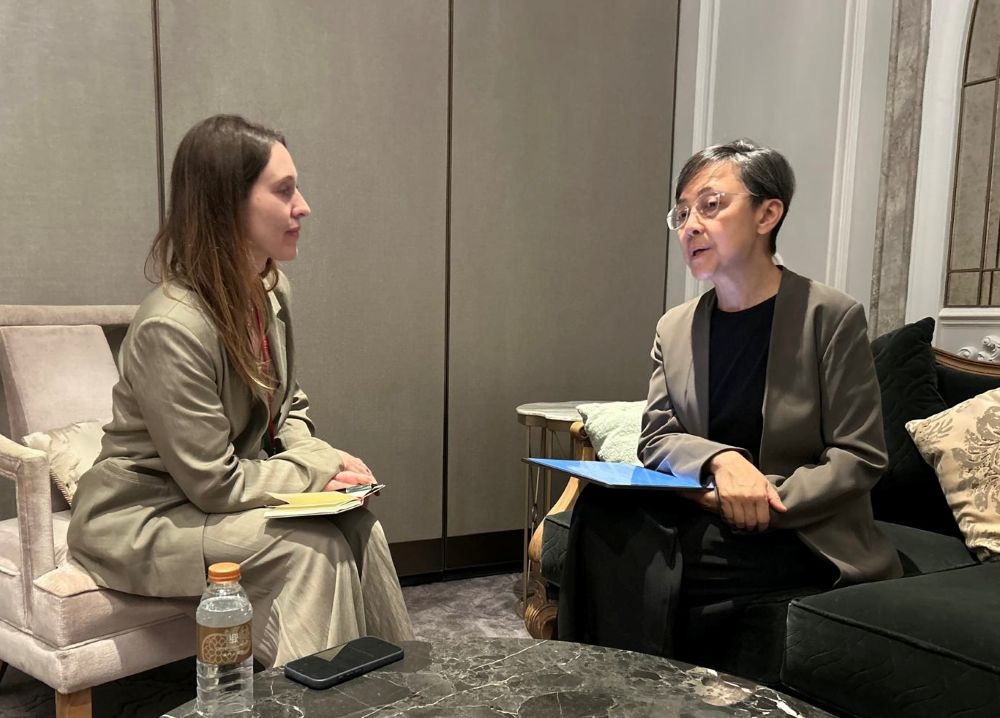
Maria Helena de Senna Fernandes, director of the Macao Government Tourism Office, speaks to Arab News in Macao, Oct. 27, 2025. (MGTO)
“It’s a step-by-step process,” the city’s tourism chief said. “We have a very concerted effort to encourage our hoteliers as well as our restaurateurs to eventually get more halal certification ... I think a lot of them are feeling that they would like to come on board.”
Besides hosting luxurious resorts, hiking trails, international events such as one of Asia’s oldest Grand Prix races, and numerous cultural festivals, Macao also takes pride in its architecture and culinary scene.
The city’s historic center is designated as a UNESCO World Heritage Site, with over 20 landmarks that blend traditional Chinese and Portuguese styles, as well as Moorish influences.
In 2017, Macao was officially designated a UNESCO Creative City of Gastronomy for its distinct, historic and living culinary traditions, in which over 400 years of Portuguese presence blended with southern Chinese, Southeast Asian, and even African influences, giving rise to Macanese cuisine — the world’s first such fusion.
“We believe that there’s a lot of cultural elements that we can show to the world and, in particular, to friends from the GCC countries,” Senna Fernandes said.
“Sometimes you feel familiar, but sometimes you feel a little bit exotic because of that kind of East-West culture coming together. I guess it’s a very comfortable place to be. It’s a small place, but at the same time it has a lot of very unique things to offer. It has heritage, but at the same time it has all the modern amenities that you can enjoy yourselves in.”