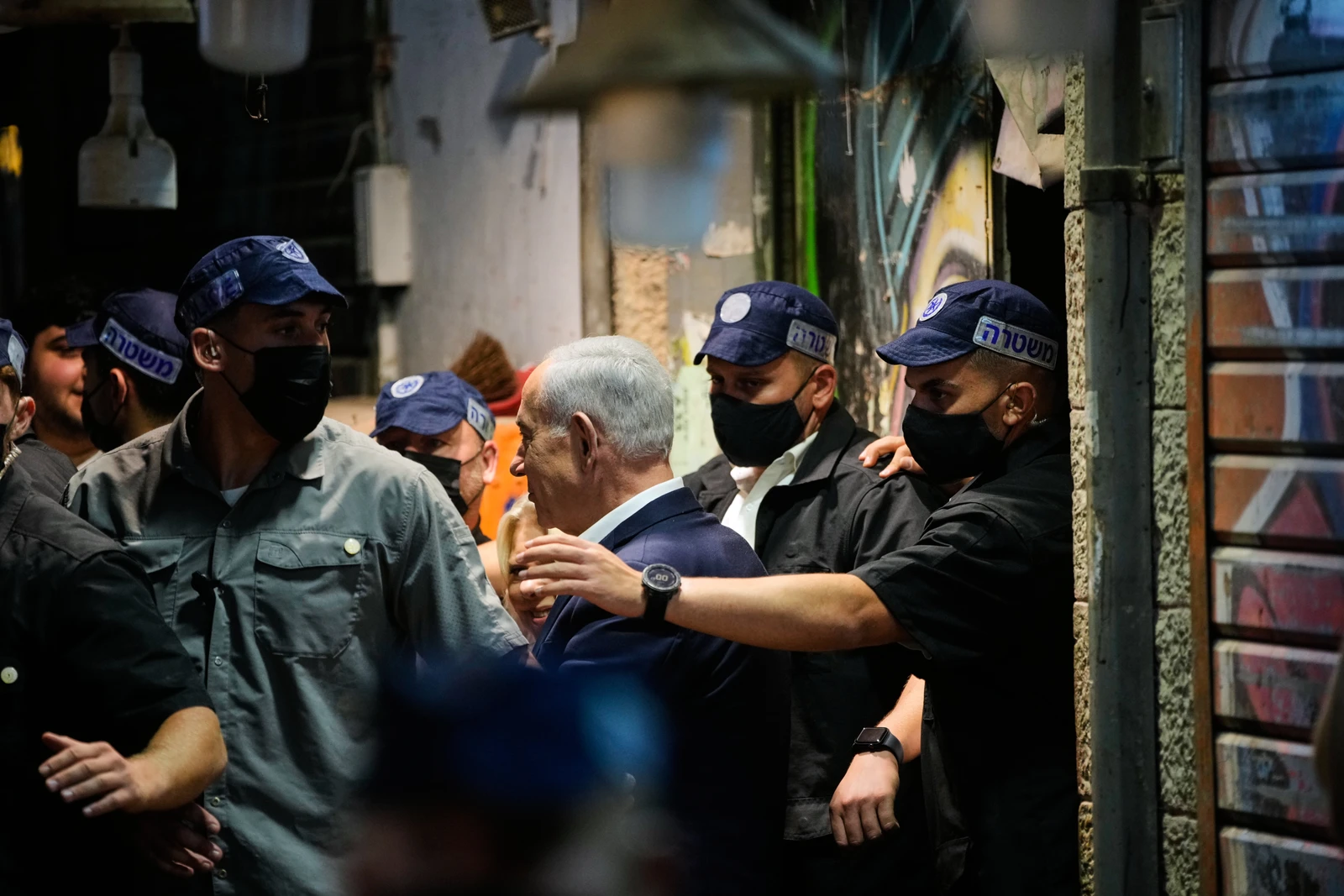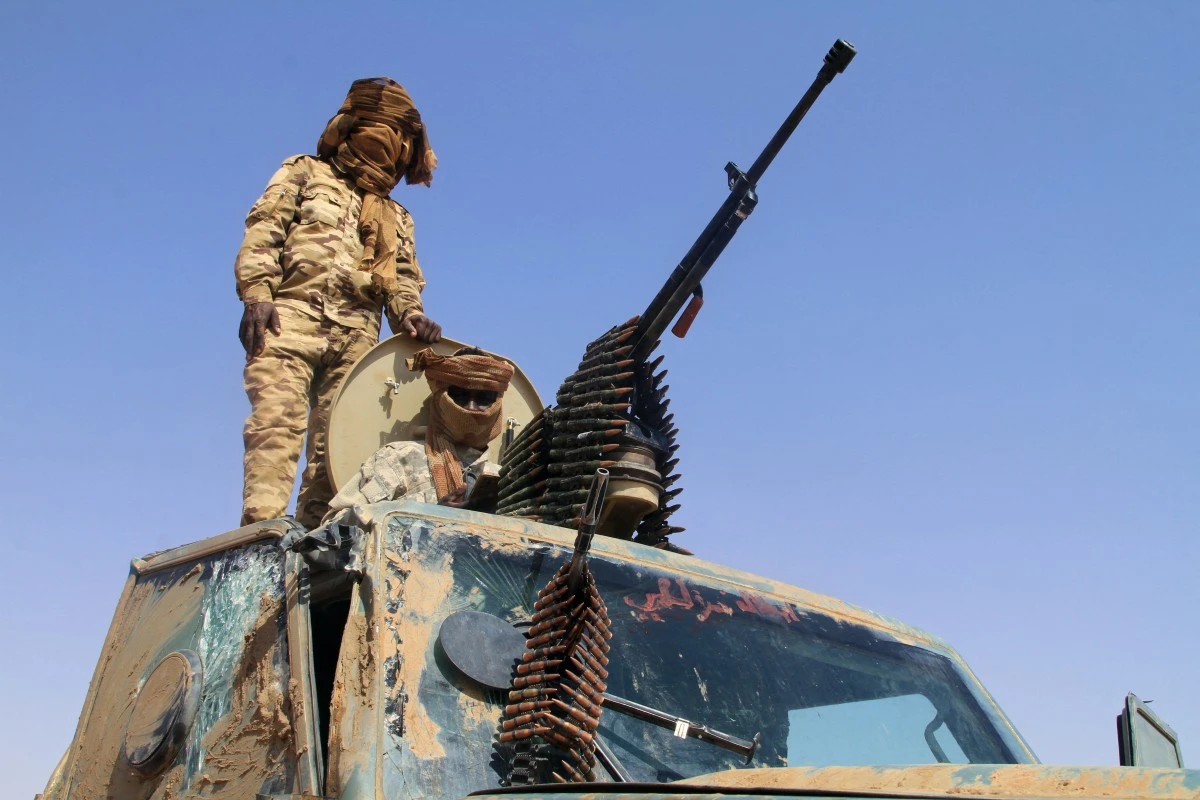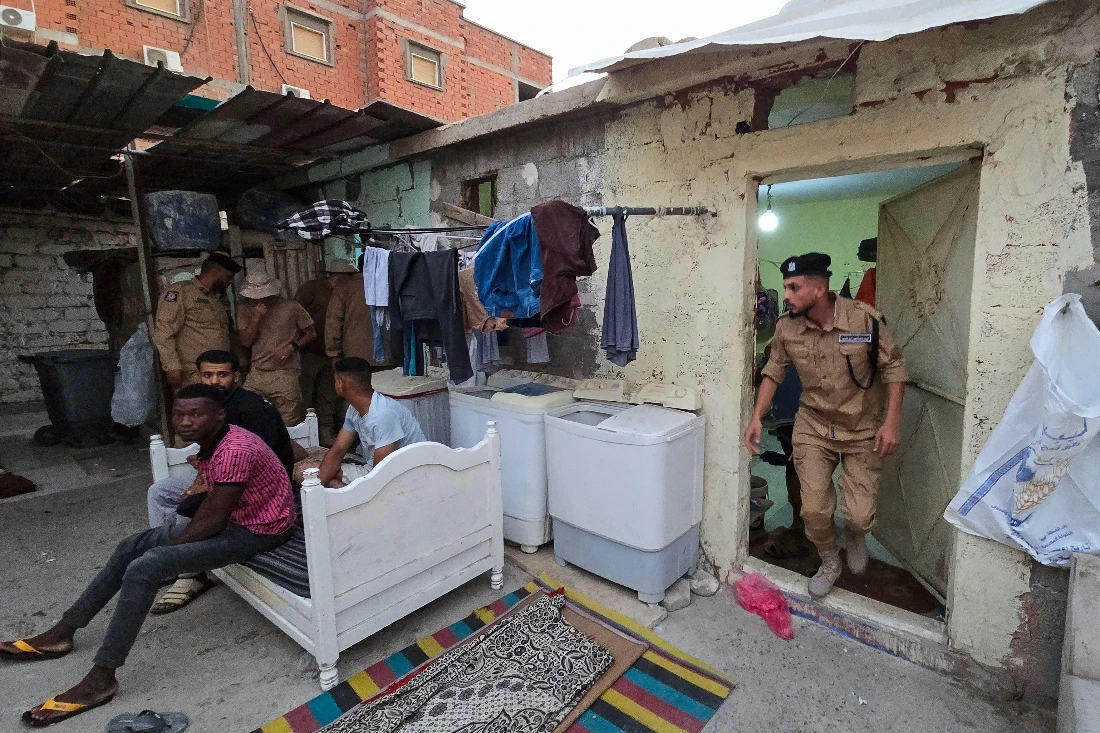
- Smugglers and human traffickers have taken advantage of the instability in Libya following years of unrest after a NATO-backed uprising toppled longtime leader Muammar Qaddafi in 2011
- Libyan authorities said in July there were up to four million irregular migrants in the country
RABAT: Libya has emerged as the North African country where migrants face the greatest challenges, including kidnappings and abuse at the hands of smugglers and militias, International Organization for Migration chief Amy Pope told AFP.
Most of the migrants who have died in the Mediterranean had departed from Libya, the IOM director general said, making the route itself especially risky. But even those who have yet to set off are vulnerable.
“We regularly hear reports from migrants about being kidnapped, being held for ransom, suffering abuse and assault” in Libya, Pope said during an interview in Rabat.
“I myself have heard many stories of migrants who’ve been detained by non-government actors and held for ransom or suffered abuse,” she added.
With the European Union’s mounting efforts to curb migration, many people are left stranded in Libya while dreaming of a better life.
Libyan authorities said in July there were up to four million irregular migrants in the country.
Smugglers and human traffickers have taken advantage of the instability in Libya following years of unrest after a NATO-backed uprising toppled longtime leader Muammar Qaddafi in 2011.
“It’s a very dangerous and precarious place for many migrants who are coming through the hands of smugglers,” Pope said, adding that migrants transiting through Libya come from various countries, including from Asia.
Libya is “where migrants face the greatest challenges” in North Africa, she added.
- ‘Outstripping resources’ -
While migrants stranded in Libya have suffered for years, the situation has worsened since the outbreak of war in Sudan in 2023.
Conflict there between the army and paramilitaries has displaced millions of people.
More than 357,000 Sudanese refugees have arrived in Libya since April 2023 as of August, UNHCR data showed.
“What we worry about more actually are things like the war in Sudan, which has continued to displace people in very significant numbers,” Pope said.
Cuts in UN funding pose another challenge.
“There’s frankly been a very significant decrease in resources to provide the level of support and care,” Pope said.
The other regional main departure point is Tunisia.
Departures from there have decreased, owing to a $290-million EU agreement from 2023, but thousands of mainly sub-Saharan African migrants feel stranded.
There, “the number of migrants is far outstripping the resources that are available to support those who are in need,” Pope said.
Earlier this year, Tunisian President Kais Saied urged the IOM to accelerate voluntary returns for irregular migrants to their home countries.
“The situation across the world right now is insufficient to meet the pressures on people to move,” Pope said.