Dubai Opera’s Paolo Petrocelli spotlights diverse calendar
Updated 01 October 2025
Saffiya Ansari
DUBAI: For its ninth season, Dubai Opera is welcoming more than 50 international productions to the stage, including regional debuts, new collaborations, and modern interpretations of opera, ballet, and musical theater.
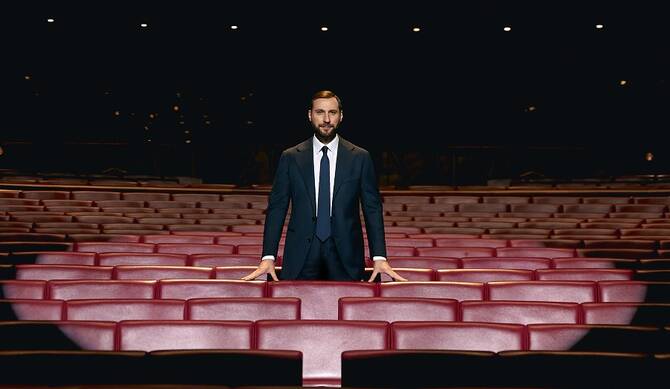
Arab News spoke to Paolo Petrocelli, head of Dubai Opera, about how the calendar caters to the city’s famously diverse demographics.
The season launched in September with Giacomo Puccini’s opera “La Boheme,” Ludwig van Beethoven’s Fifth Symphony and the “Emperor” piano concerto, and Tchaikovsky’s “Swan Lake” ballet.
The shows have been “carefully curated to reflect the cosmopolitan identity of Dubai,” Petrocelli said.
He added that “the program spans opera, ballet, musicals, Arabic music, comedy, concerts, and theater. This diversity ensures that every generation and cultural background finds something to connect with.”
Among the roster of shows, “WICKED” is set to make its UAE debut after a run in Saudi Arabia, while “Grease” and “Rumi: The Musical” will also be featured in the 2025-26 calendar.
“More than 40 percent of our audience is under 45, which is quite unique for an opera house,” Petrocelli explained. The roster was crafted to create an “inclusive platform where timeless traditions meet contemporary creativity.”
This season Dubai Opera is also expanding upon its Arabic-language offerings, with performances by Najwa Karam, Zade Dirani, Elissa, Marilyne Naaman, The Yemenis Orchestra, Omar Khairat, and Khalid Abdulrahman.
“(We are) presenting legendary icons alongside emerging voices to better reflect the richness and diversity of the region,” Petrocelli explained.
Testing the waters this season is the regional debut of “War and Peace,” a stage adaptation of Leo Tolstoy’s epic novel. The play “allow(s) us to push boundaries and test audience appetite for ambitious works that combine scale, depth, and artistic daring,” Petrocelli said of the dramatization.
“Personally, I am especially excited about welcoming Yuja Wang for her Middle East debut, a pianist of extraordinary virtuosity and charisma, as well as Jon Batiste, a global music star whose work transcends genres,” he added of the Chinese-born American pianist and US musician, respectively.
Saudi traditional meal anchors Al-Balad’s culinary scene
Slow-cooked sheep’s head is drawing new generations and visitors to Jeddah’s historic district
Updated 14 December 2025
SALEH FAREED
JEDDAH: In the streets of Al-Balad, where centuries-old buildings frame one of Saudi Arabia’s most storied districts, culinary heritage continues to draw visitors as powerfully as architecture.
Among the area’s enduring attractions is Al-Shadwy for Sheep Head Meat, a family-run restaurant that has served one of the Kingdom’s most traditional dishes since 1958, turning a once-necessity meal into a symbol of Saudi food culture and hospitality.
Tucked into Baba Makkah, Al-Balad’s historic core, Al-Shadwy began as a modest corner table before becoming a landmark destination for locals, food enthusiasts and tourists seeking an authentic taste of the past.
Eating sheep’s head has long been rooted in Arab culinary traditions, shaped by the principle of using the entire animal and avoiding waste. (AN photo)
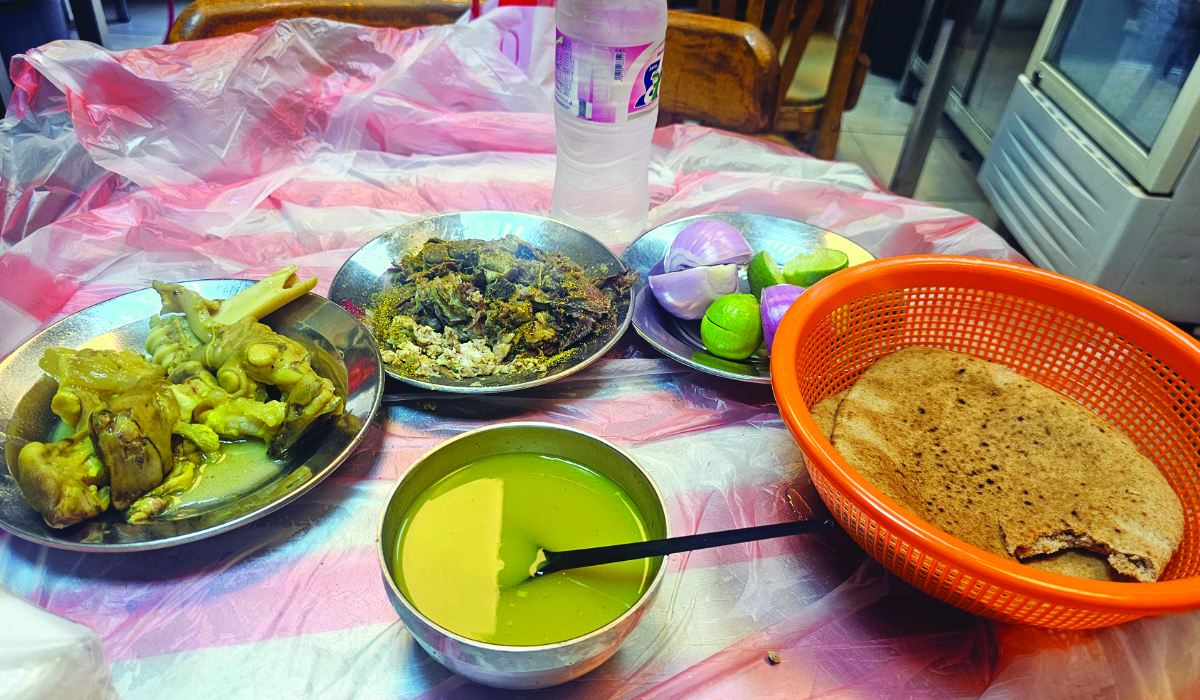
Now run by the third generation of the Al-Shadwy family, the restaurant remains devoted to a single specialty; sheep’s head, slow-roasted over charcoal using a recipe unchanged for decades.
Eating sheep’s head has long been rooted in Arab culinary traditions, shaped by the principle of using the entire animal and avoiding waste. In Saudi Arabia, the dish evolved into communal meal associated with generosity, warmth and social gathering.
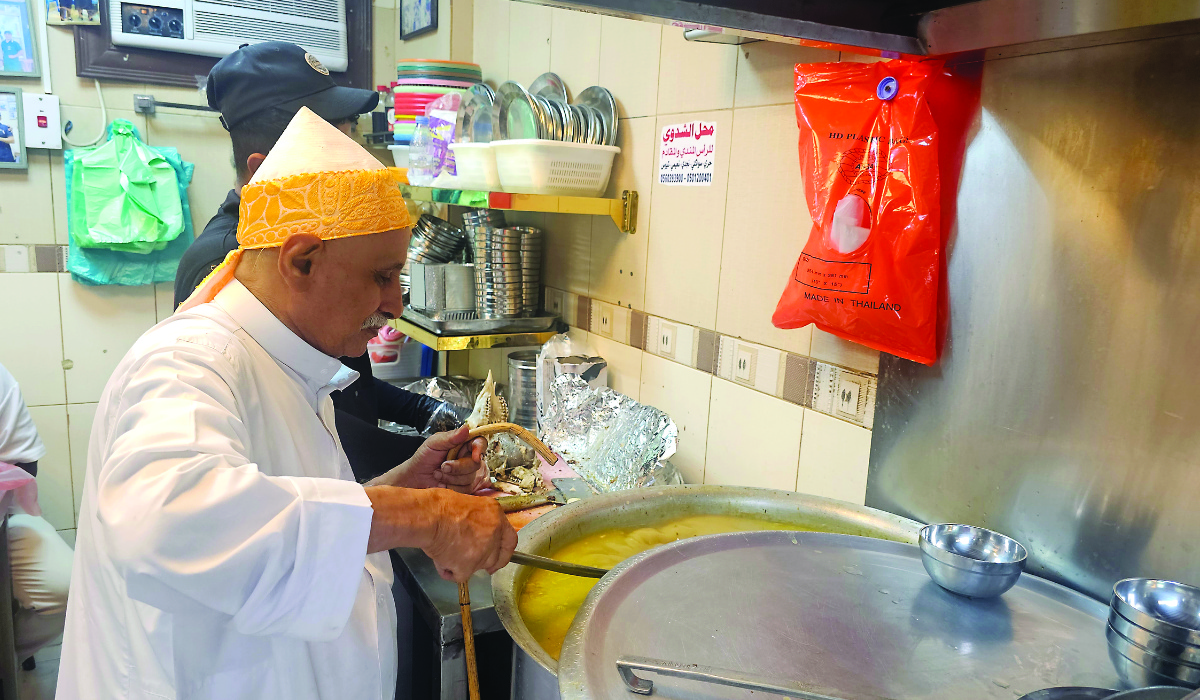
Sixty-five-year-old owner Ghalib Naji Al-Shadwy, who inherited the restaurant from his grandfather and father, remains a familiar presence at the restaurant, overseeing the service and greeting customers.
FASTFACTS
• Al-Shadwy for Sheep Head Meat is a family-run restaurant in Al-Balad that has served one of the Kingdom’s most traditional dishes since 1958.
• It began as a modest corner table before becoming a landmark destination for locals, food enthusiasts and tourists seeking an authentic taste of the past.
He told Arab News that the dish has been central to Saudi culinary culture for generations.
“The sheep’s head has been a staple in Saudi Arabia and other GCC countries culinary culture for centuries,” he said. “Traditionally, it was a meal served during cold winter mornings to provide energy and warmth. In many regions of Saudi Arabia, the sheep head (is) always on the top of the main plate for guests, and families festive holidays gather in restaurants or at home to enjoy the sheep’s head, making it a social and festive occasion.”
In Saudi Arabia, the dish evolved into communal meal associated with generosity, warmth and social gathering. (AN photo)
Speaking about its significance in hospitality culture, he added: “Serving it to guests is considered an act of generosity and care.” Rich and filling, it is most commonly eaten as breakfast or an early morning meal.
Preparing sheep’s head is a slow, careful process. According to Al-Shadwy, the heads are cooked at low temperatures to soften the tendons and connective tissue, resulting in tender meat and deep flavor.
The preparation includes curing and slow cooking, a method that has remained largely unchanged at the restaurant for more than six decades.
Being a family-owned restaurant here for so many years makes us a part of Jeddah’s history.
Ghalib Naji Al-Shadwy, Al-Shadwy for Sheep Head Meat owner
“I’ve cooked many sheep heads a while back and I still enjoy it,” he said. “Most of the customers actually prefer the head and the brain.”
Despite its small size and somewhat tucked-away location, the restaurant’s popularity is unmistakable. Long queues form outside each morning, often guiding first-time visitors to its door. A sign reading “Al-Shadwy Mandi” in Arabic marks the entrance, while the steady crowd confirms its reputation.
Over the years, the restaurant has attracted officials, celebrities and social media figures, with photographs of notable guests lining the walls. Al-Shadwy said the steady attention reflections Al-Balad’s growing appeal as a cultural and culinary destination.
He said that interest in sheep’s head is no longer limited to older generations. Younger Saudis, he said, are increasingly curious about traditional dishes, while tourists often see it as an adventurous experience.
“For many visitors, trying sheep’s head is considered ‘extreme food’ or a challenging dish,” he said. “But it gives them a sense of adventure and a unique story to tell.”
Inside the lively restaurant one morning, longtime customer Abu Samer Al-Sulami, who has been dining there for 40 years, described it as a rare example of authentic Saudi cuisine.
“I am a regular customer here and always come early in the morning because when you eat the sheep’s head it really gives you energy for work,” he said.
Demand is highest in the early hours, particularly on Fridays. Al-Shadwy said the restaurant often sells out by mid-morning, making early visits essential.
“The number of sheep heads our restaurant sells daily varies but it reaches around 200 heads,” he added.
As he works alongside his two sons, Al-Shadwy says preserving the family legacy is as important as serving the fish.
“Being a family-owned restaurant here for so many years makes us a part of Jeddah’s history,” he said.