

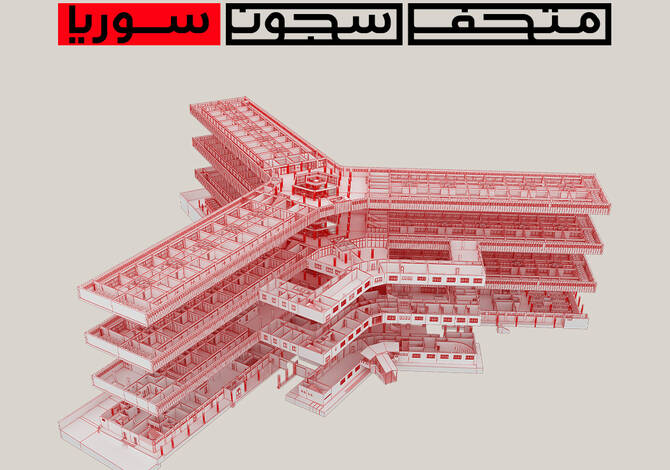

DAMASCUS: A Syrian organization launched a virtual museum in Damascus on Monday documenting the experiences of detainees in the country’s prisons, used for decades to hold opponents to Assad family rule.
The Syria Prisons Museum offers 3D virtual tours of prisons, documented testimonies from former prisoners about their experiences, and studies, research, and investigative reports related to prisons and detention centers.
“The museum seeks to preserve the dark Syrian memory associated with violence, murder, and prisons,” project founder Amer Matar told AFP on the sidelines of a launch ceremony at Damascus’ national museum.
According to estimates from the Syrian Observatory for Human Rights monitor, more than two million Syrians have experienced imprisonment under the Assad family, who ruled Syria for over 50 years until the fall of Bashar Assad in December.
Half were detained in the years after the peaceful protests of 2011 whose violent suppression by the authorities sparked the country’s 14-year civil war.
More than 200,000 people have died in Syria’s prisons, including by execution and under torture, according to the Observatory.
One prison, Saydnaya, was called a “human slaughterhouse” by Amnesty International.
The Prisons Museum Foundation, the organization behind the new project, based their methodology on their previous work in 2017, which documented the experiences of people in Islamic State (IS) prisons.
Following the toppling of Assad by Islamist-led rebels, the group worked with Syrian and international organizations specializing in missing persons and criminal justice to create the virtual museum.
‘Living digital archive’
The museum involves field documentation, testimonies from survivors and families of missing persons, and a digital archive that reconstructs scenes from inside prisons.
“We were afraid that these prisons would be destroyed before we could document them, but to date we have been able to enter 70 prisons,” Matar said.
According to the organizers, the museum aims to “honor the victims, amplify the voices of survivors, and prepare evidence files to hold perpetrators accountable and achieve justice.”
Matar said the museum was “trying to build a living digital archive.”
The Assads often used their prisons as a tool to intimidate opponents and silence dissent. Many people who entered the facilities over the years were never heard from again, their fates uncertain even after the prisons were liberated with the ouster of Assad.
In May, Syria’s new Islamist authorities announced the creation of a national commission for missing persons and another for transitional justice.
While rights groups and activists welcomed the announcements, they believe the road to justice remains long, insisting all parties in the Syrian conflict be held accountable for their violations and that investigations must be independent.


