

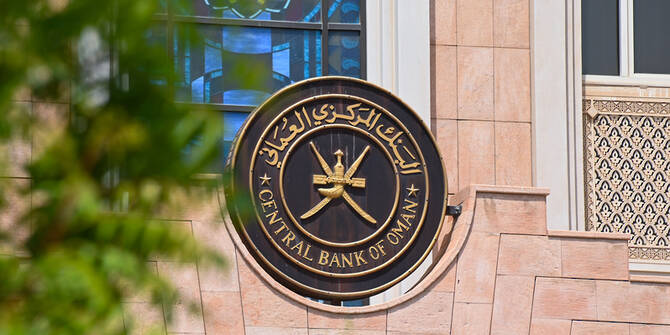

RIYADH: Oman’s central bank allocated 89.85 million Omani rials ($233.3 million) in treasury bills this week as part of its routine operations to manage short-term liquidity.
The offering consisted of 64.85 million rials in 91-day bills and 25 million rials in 182-day bills, according to the Oman News Agency, which cited data from the Central Bank of Oman.
The 91-day securities were issued at an average price of 98.98 rials per 100 rials, with the lowest accepted bid at 98.97 rials. The average discount rate was 4.07 percent, while the average yield was 4.12 percent.
The move comes amid broader efforts by the Gulf nation to stabilize its financial system and support liquidity as it navigates fiscal pressures, global interest rate fluctuations, and ongoing diversification efforts under its Vision 2040 economic plan.
“Treasury bills are a short-term, guaranteed financial instrument issued by the Ministry of Finance to provide investment opportunities for licensed commercial banks. The Central Bank of Oman acts as the issuance manager for these bills,” ONA said.
The 182-day bills were allocated at an average price of 97.99 rials, which was also the lowest accepted bid. These instruments carried an average discount rate of 4.03 percent and an average yield of 4.11 percent.
The central bank’s repo rate for these instruments was set at 5 percent, while the discount rate on treasury bill facilities remained at 5.50 percent.
One of the key benefits of these instruments is their high liquidity, as they can be easily converted into cash through discounting with the central bank or by entering into repurchase agreements with the monetary authority.
Licensed commercial banks can also conduct interbank repo transactions involving treasury bills.
The instruments serve as a benchmark for short-term interest rates in the domestic financial market and the government can also utilize them as a flexible and efficient tool for financing certain expenditures.
The issuance of treasury bills is seen as a key tool to maintain short-term funding channels while enhancing the depth and resilience of Oman’s domestic money market.
Meanwhile, Oman’s public debt fell 2.08 percent year on year to 14.1 billion rials in the second quarter of 2025, supported by Finance Ministry payments to the private sector.
The ministry disbursed over 749 million rials during the period, with transactions settled within an average of five working days, helping boost liquidity in local markets.
The decline in debt highlights Muscat’s ongoing fiscal consolidation drive, supported by higher non-oil revenue and spending discipline.


