- Remadji Hoinathy, a security analyst at the Institute for Security Studies, told the AP the blockade will cause a shortage, which will exacerbate economic difficulties and deter fuel transporters in the region from delivering to Mali
BAMAKO, Mali: A West African armed group affiliated to Al-Qaeda set fire to fuel tankers in Mali over the weekend, videos showed, as the militants sought to tighten their grip on the country’s economy by banning fuel imports from neighboring countries.
The trucks were coming from Ivory Coast and were attacked in Sikasso region in the south of the country, according to a security source in Sikasso who confirmed the videos to The Associated Press.
Last week, the spokesperson for the Al-Qaeda-affiliated Jama’at Nusrat Al-Islam wal-Muslimin (JNIM) announced the blockade on Mali in a video posted online.
Mali’s transport ministry is meeting with representatives of transportation associations to discuss “these threats and find solutions,” a ministry spokesperson said.
JNIM is one of several armed groups operating in the Sahel, a vast strip of semi-arid desert stretching from North Africa to West Africa, which has been a site for a rapidly growing insurgency that has made the region a hot spot for militant attacks.
The group, which is considered the deadliest in the region, controls key cities in Mali and Burkina Faso. It has also carried out large-scale attacks in coastal countries along the Gulf of Guinea, including attacks on soldiers in Benin and Togo.
Experts say the fuel blockade is a significant development for the landlocked Sahelian country, which depends entirely on imports, mostly from neighboring Senegal and Ivory Coast, for its fuel needs.
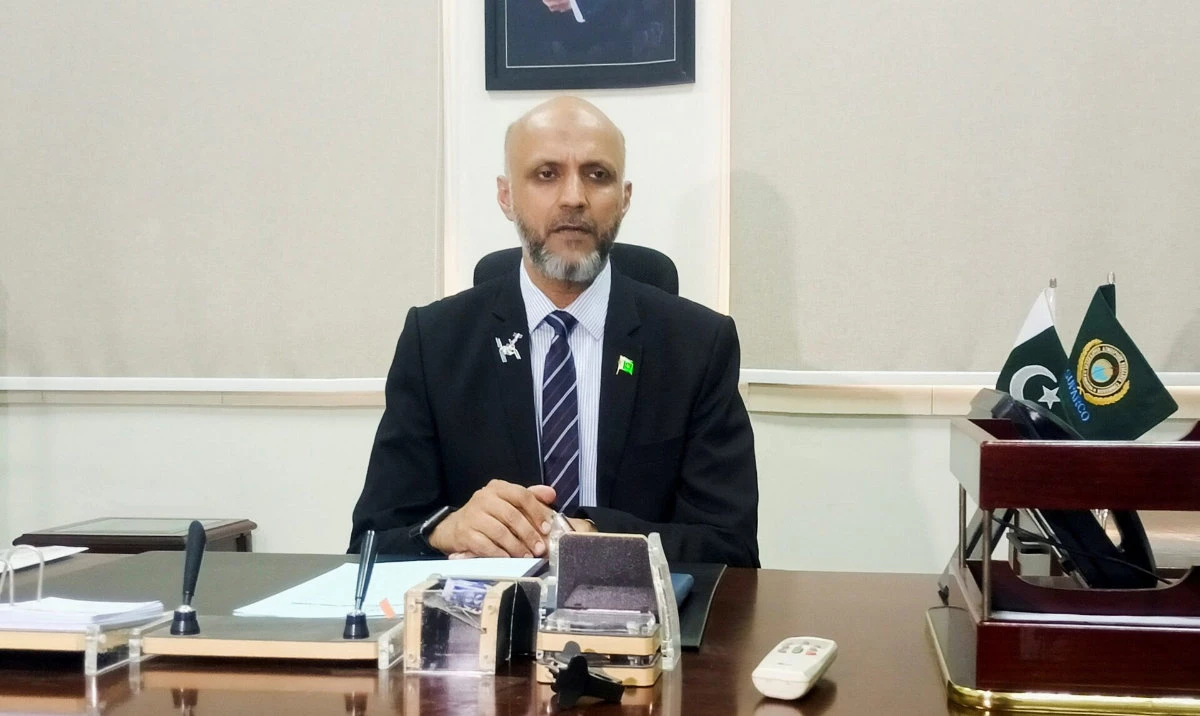
Remadji Hoinathy, a security analyst at the Institute for Security Studies, told the AP the blockade will cause a shortage, which will exacerbate economic difficulties and deter fuel transporters in the region from delivering to Mali.
The tactic could spread across the region as the deadly armed group is now focusing on regional economic infrastructure to put more pressure on governments, Honaithy warned.
“This is to bring more pressure on the military, the state, and their Russian partner,” Honaithy said. “It is a way of JNIM saying they are on the ground and have the capabilities of wreaking havoc.”
The West African regional bloc, ECOWAS, fractured over a sharp rise in Islamist attacks across the region. Mali, Burkina Faso, and Niger withdrew from the bloc following coups in the three countries. They formed a separate multilateral security alliance in 2023, ditching long-term Western partners such as France for Russia. But data shows attacks have only increased since then.