KARACHI: Pakistan’s crackdown on black market dollar trading has strengthened the rupee, but traders say under-the-counter deals have swiftly shifted to smartphones and home deliveries instead.
Many unlicensed exchange shops have been shut since July 22, when the military spy agency summoned representatives of the sector to explain the US dollar’s rising cost in the open market. Soon after, raids were carried out by the Federal Investigation Agency, which tackles financial crime and smuggling.
Since the crackdown began, the rupee has rebounded from a sharp fall against the dollar earlier in July. In the open market, it firmed from 288.6 per dollar on July 19 to about 286 in recent sessions.
But traders and bankers say the trade continues, suggesting the crackdown’s effects could be short-lived.
The black market operates outside official channels and includes unlicensed dealers, personal networks, and digital peer-to-peer exchanges, with customers seeking to skip tax declarations, avoid burdensome paperwork and bypass limits on official currency purchases.
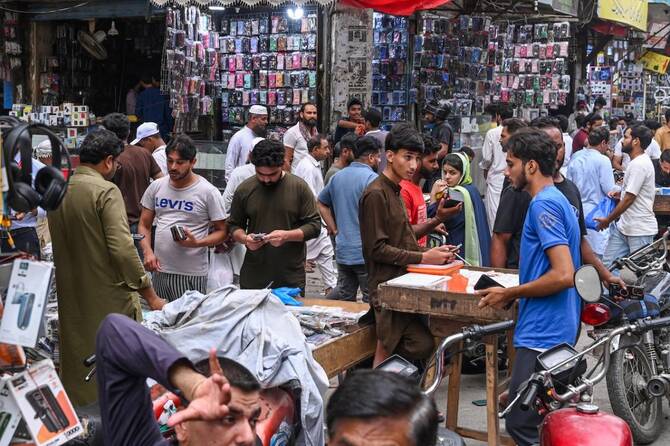
In Peshawar, a city near the Afghan border long known for black market currency deals, many shops in the historic Chowk Yadgar district remain shuttered, though some traders were still operating discreetly in back-alley booths.
“The trade didn’t stop. It just moved,” said Ahmad, a dealer whose family has been in the business for generations. “Now it’s on WhatsApp. If you know someone, the dollars come to your house.”
“The big players have shifted to safer locations and kept going,” said another trader, Gul. Both traders asked not to give their full names.
Even retail buyers are bypassing the formal foreign exchange market. Hassan, a manager at a multinational firm in Karachi, said stricter documentation drove him to an informal forex chat.
“Everyone there is a buyer or seller. No middleman, no commission. Sometimes it’s physical cash, sometimes bank transfers, sometimes crypto,” he said.
STRICTER FX DISCIPLINE
On Monday, Pakistan’s central bank called in bank treasury heads to address pressure on the rupee. Two bankers said they were told to stop buying dollars from exchange companies at above-official rates on the grounds it was skewing the market.
Banks were asked to rely on their own inflows from exports and remittances, but both sources have slowed. Exporters are delaying bringing money home, betting the rupee will weaken. Remittances are also tapering off as banks reduce incentives once offered to attract overseas inflows.
Authorities also pressed banks to keep the gap between the interbank rate and the open market rate narrow, a condition of Pakistan’s $7 billion IMF deal meant to discourage speculation.
“These meetings have been happening for years, but this one was more pointed,” one banker said, speaking on condition of anonymity.
The central bank is expected to cut rates on Wednesday, easing inflation but risking pressure on the rupee.


![]()

Pakistan’s crackdown on black market dollar trade pushes deals online
Short Url
https://arab.news/n9wqw
Pakistan’s crackdown on black market dollar trade pushes deals online
- Pakistan’s crackdown on black market dollar trading has strengthened the rupee, but traders say under-the-counter deals have swiftly shifted to smartphones and home deliveries instead


Latest updates


© 2026 SAUDI RESEARCH & PUBLISHING COMPANY, All Rights Reserved And subject to Terms of Use Agreement.