

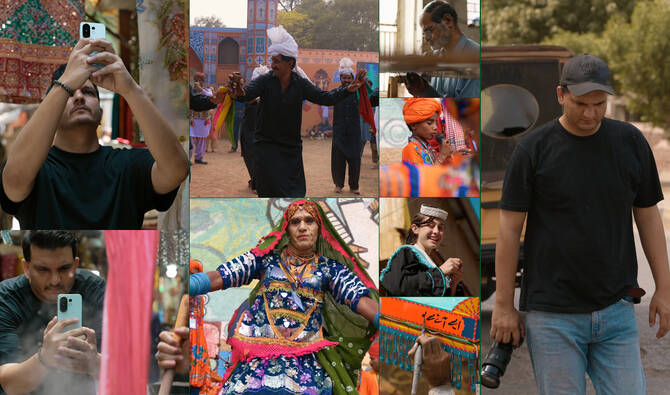

ISLAMABAD: Mobile phones, data cables and memory cards sprawl across the editing table in Athar Abbas’s modest Islamabad apartment.
It’s an organized chaos the 38-year-old filmmaker fully embraces — a far cry from the mental turmoil that once engulfed him.
Abbas, a former commercial producer, now documents the lives of ordinary Pakistanis in short, emotionally charged videos he publishes on social media. His mini-documentaries — raw, personal and deliberately unpolished — have attracted tens of thousands of followers across platforms, racking up over a million views in the past year.
But Abbas’s foray into digital storytelling wasn’t born of ambition. It was a survival tactic.
He began filming after quitting his job at a construction company, where a senior colleague dismissed his work as “pathetic.”
The insult gnawed at his confidence and spiraled into a depressive episode. Eventually, Abbas turned to the one outlet that had always brought him calm — the camera.
“I picked up my camera and started making stories,” Abbas told Arab News. “And unintentionally, I realized that maybe for an artist, there’s no therapy greater than his art.”

Pakistani filmmaker and content creator Athar Abbas speaks during an interview with Arab News in Islamabad on July 18, 2025. (AN Photo)
Pakistan, a country of over 240 million people, faces a chronic shortage of mental health services.
According to the World Health Organization, more than 24 million people in Pakistan are in need of psychiatric support. Yet the country has only around 500 trained psychologists and 400 psychiatrists, roughly one mental health professional for every 260,000 people.
The stigma around mental illness remains deeply entrenched, especially for men. Talking about emotional vulnerability is often seen as weakness, a perception Abbas says is reinforced in professional environments.
“He feels that his manly personality will be affected,” he said, referring to why many Pakistani men hesitated to express emotions, especially those that communicated perceived weakness.
“So he doesn’t even share that he has a problem with something.”
In Pakistan’s corporate sector, long working hours, harsh managerial practices and lack of mental health policies have contributed to high stress levels.
A 2024 review by the Pakistan Society of Human Resource Management found that most companies lacked formal emotional wellness programs.
Creative professionals, Abbas said, often bore the brunt of toxic leadership.
“If you talk to anyone in the creative field, they will tell you they are distressed because of senior management’s behavior,” he said.
“Unfortunately, it greatly affects mental health.”
A separate 2025 study in the Pakistan Social Sciences Review noted that while some younger professionals are more aware of mental health issues, institutional support remains weak, leaving them vulnerable to burnout and depression.
‘UNTOLD PAKISTAN’
For Abbas, the path to stability came through storytelling.
He launched a series titled Untold Pakistan, filming everything from a street vendor’s hustle to a single mother’s struggle for dignity. In one video, a man named Kamran Ali cycles from Germany to Layyah, Punjab, only to learn of his mother’s death upon arrival.
“Storytelling became a way to survive,” Abbas said.
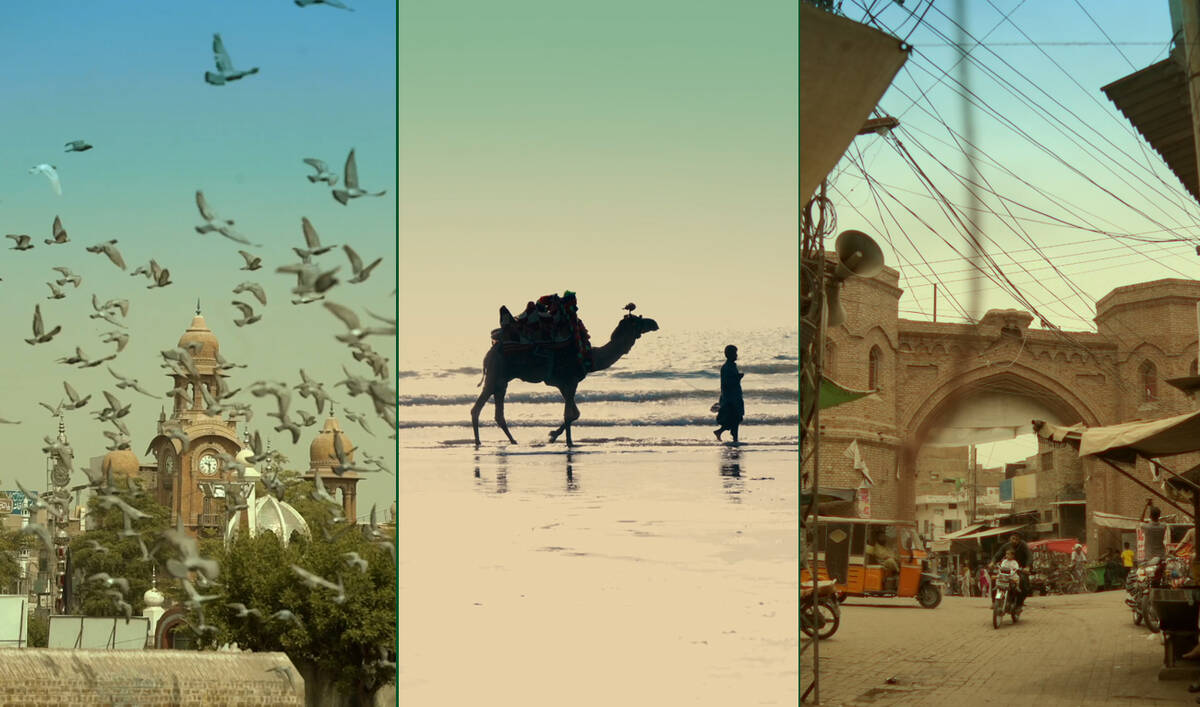
This combination of screenshots, taken on July 26, 2025, shows stills from short videos by Pakistani filmmaker and content creator Athar Abbas. (Courtesy: Instagram/@athar.abbass_)
His films resist sensationalism. There are no stunts or celebrity cameos. Instead, they dwell in moments often overlooked: fatigue, memory, longing, resilience. The comment sections on his pages are peppered with viewers opening up about their own traumas, some for the first time.
Abbas recalls a message from a young man in Lahore who said one of the videos gave him the courage to speak to his father about something he’d been avoiding for a long time.
“That one message made all the late nights worth it,” Abbas said.
After 15 years of directing ads, music videos and corporate content, Abbas has no interest in going back. His priorities have shifted.
“I didn’t set out to become an influencer,” he said. “I just needed to breathe.”




