- PM reviews security measures as Safe City surveillance expands nationwide
- Chinese citizens provided escorts, priority airport facilitation under new plan
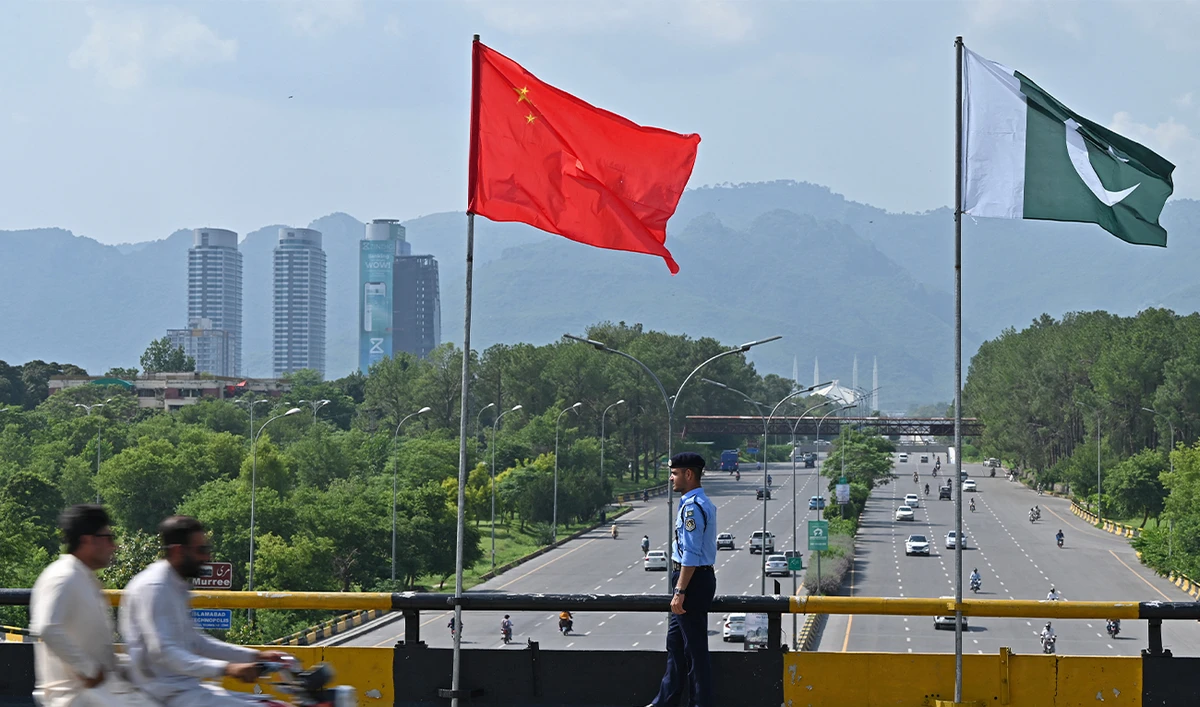
ISLAMABAD: Pakistan is ramping up security measures for Chinese nationals across the country, Prime Minister Shehbaz Sharif said on Tuesday, as Islamabad hopes for expanded bilateral activity and more investment projects under the second phase of the China-Pakistan Economic Corridor (CPEC).
Launched in 2015, CPEC is an over $60 billion flagship component of China’s global Belt and Road Initiative, linking western China to Pakistan’s Arabian Sea port of Gwadar through a network of roads, railways, and energy infrastructure.
The project is widely seen as a potential economic lifeline for Pakistan but it has also brought Chinese nationals in the crosshairs of separatist militants who believe Beijing is helping Pakistan exploit minerals in the underdeveloped southwestern province of Balochistan, where China has a strategic port and mining interests. Chinese have also faced attacks in the northwestern Khyber Pakhtunkhwa province and Pakistan’s commercial hub of Karachi.
In recent months, Beijing has been pushing Pakistan to allow its own security staff to provide protection to thousands of Chinese citizens working there, frustrated by the string of attacks on its citizens, particularly a bombing at the Karachi airport last October that killed two Chinese engineers who were returning to work at a power plant.
“Multiple steps are being taken to strengthen the security of Chinese citizens across the country, including Islamabad,” PM Sharif said during a high-level review meeting to review security. “The Safe City projects are a prime example of this growing capacity.
“In light of CPEC’s expansion, the security of Chinese nationals in Pakistan has gained even greater importance … We are building a safe and business-friendly environment for the Chinese community in Pakistan.”
During the meeting, Interior Minister Mohsin Naqvi briefed the prime minister on current security arrangements.
Officials said “special security measures are in place” due to terrorism risks and confirmed that all provinces and the federal government were working “in close coordination.”
The briefing noted that Chinese nationals were being provided security escorts while traveling and all new housing developments would include Safe City-grade surveillance infrastructure. Sharif also directed relevant ministries to prioritize Chinese passenger facilitation at airports.
After building a string of energy and infrastructure projects since CPEC was first launched in 2015, CPEC Phase II focuses on industrial cooperation and socio-economic development, aiming to enhance industrial capacity, agricultural development and social well-being in Pakistan.
This phase also emphasizes job creation, technology transfer and increased export capacity by boosting connectivity. It is expected to be completed in stages, with the development of manufacturing and processing industries envisioned by 2025, and further expansion by 2030.