

ISLAMABAD: Women in Pakistan’s entertainment industry have come closer and created a WhatsApp group to check in on each other and ensure immediate help to anyone going through difficult times, following this month’s shocking death of Humaira Asghar.
The 42-year-old, originally from Lahore, was found dead at her rented flat in Karachi on July 18, at least nine months after her passing. Pakistani police have said medico-legal authorities found no traces of toxins in her body.
The case stirred a debate in Pakistan about the silent toll of urban isolation, especially in large cities like Karachi, where rapid expansion, changing family structures and weakening community bonds are quietly reshaping how people live — and die.
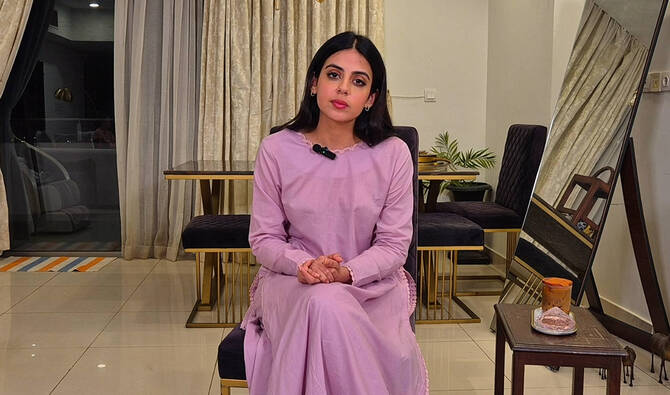
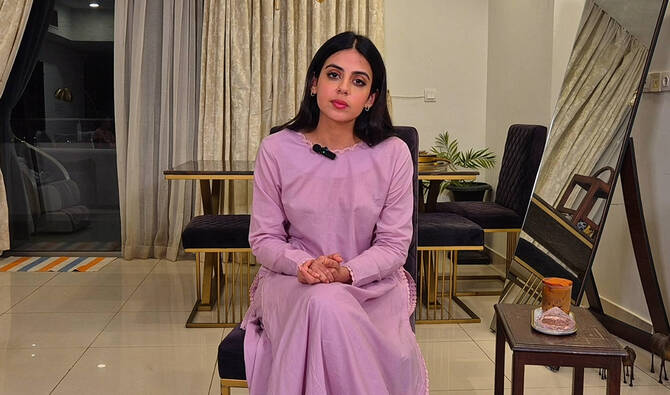
Hundreds of Pakistani women, including actors, directors, producers and makeup artists, have joined the WhatsApp group, ‘Connectivity 101,’ after the idea was proposed by Zhalay Sarhadi, Yashma Gill, Sonia Hussain, Mansha Pasha and others.
“The core purpose of Connectivity 101 is to create networking through a platform, connectivity through a platform, through which people can talk about their problems... people can inquire about well-being and keep a check on each other,” Gill said in an interview, adding it came into existence after the tragic passing of Asghar.
Asghar’s death came weeks after renowned actor Ayesha Khan was found dead in her apartment in Karachi’s Gulshan-e-Iqbal area, according to police. Her neighbors had reported a foul smell emitting out of her apartment that led to the discovery of the 84-year-old’s body.
Gill, one of the Connectivity 101 admins, said the initiative was taken after it was realized that people working in the industry, especially women, are usually not able to stay in touch with their families, friends and even colleagues due to their busy schedules.
“This connection is very important not just to celebrate good times, but also to support each other in hard times,” she said.
Nearly 44 percent of Pakistanis now live in urban areas, up from 35 percent in 2010, according to World Bank estimates. Mental health experts have warned that loneliness isn’t just a social issue but a serious health risk.
Prof. Dr. M. Iqbal Afridi, a Karachi-based psychiatrist, last week cited World Health Organization (WHO) findings that over 870,000 people died globally in 2024 due to conditions linked to extreme isolation.
“In fact, loneliness has been found to be more painful and damaging than conditions like diabetes or high blood pressure,” he said. “It has also been observed that people who get disconnected from their friends, family and social circles often develop several diseases along with physical, psychological and social issues.”
Gill shared that they have introduced a poll system in the group through which members can mark their presence or inform that they will not be available for a few days.
She said only women from the industry are added to the group through trusted references, with a few protocols set for everyone. She said group members are even urged to exercise “extreme caution” while communicating with each other so that everyone benefits and no negative situation arises.
“I am pro-friendships, people should become friends. But these are celebrities and girls that we are talking about, so things should be taken care of,” she added.


