- Agreement commits both countries to boost investment and strengthen law-enforcement cooperation against people-smuggling gangs
- Treaty builds on defense pact the two nations signed last year committing to closer co-operation against the growing threat from Russia
LONDON: UK Prime Minister Keir Starmer and German Chancellor Friedrich Merz signed a landmark treaty on Thursday that pledges to tighten defense ties, as European nations try to protect Ukraine, and themselves, from an aggressive Russia in the face of wavering support from President Donald Trump’s US-focused administration.
Merz said it was “a historic day for German-British relations” as he signed an agreement that also commits the two countries to boost investment and strengthen law-enforcement cooperation against criminal people-smuggling gangs using the English Channel.
“We want to work together more closely, particularly after the United Kingdom’s withdrawal from the European Union,” Merz said. “It is overdue for us to conclude such a treaty with each other.”
A partnership with a purpose
The treaty builds on a defense pact the UK and Germany, two of the biggest European supporters of Ukraine, signed last year committing to closer co-operation against the growing threat from Russia.
It includes a promise to “assist one another, including by military means, in case of an armed attack on the other,” though it’s unclear what practical impact that will have, since both countries are NATO members and bound by the alliance’s mutual defense pact.
Starmer said the treaty — signed at London’s V&A Museum, which is named after Queen Victoria and her German husband, Prince Albert — sealed a “partnership with a purpose.”
“We see the scale of the challenges our continent faces today, and we intend to meet them head on,” Starmer said during a joint news confernce at an Airbus defense and space factory north of London.
The UK-Germany treaty follows agreements signed during a state visit last week by President Emmanuel Macron, in which France and Britain pledged to coordinate their nuclear deterrents for the first time.
Germany does not have nuclear weapons. The treaty with Britain says the countries will “maintain a close dialogue on defense issues of mutual interest ... including on nuclear issues.”
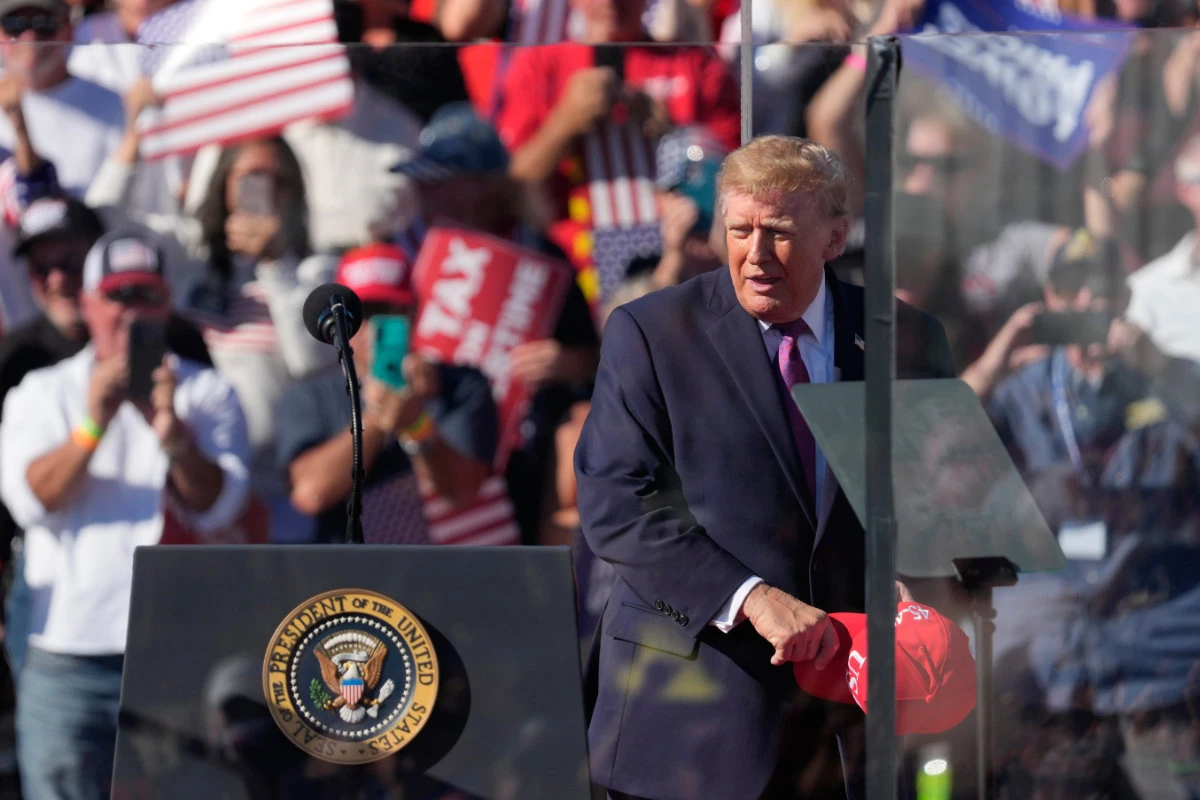
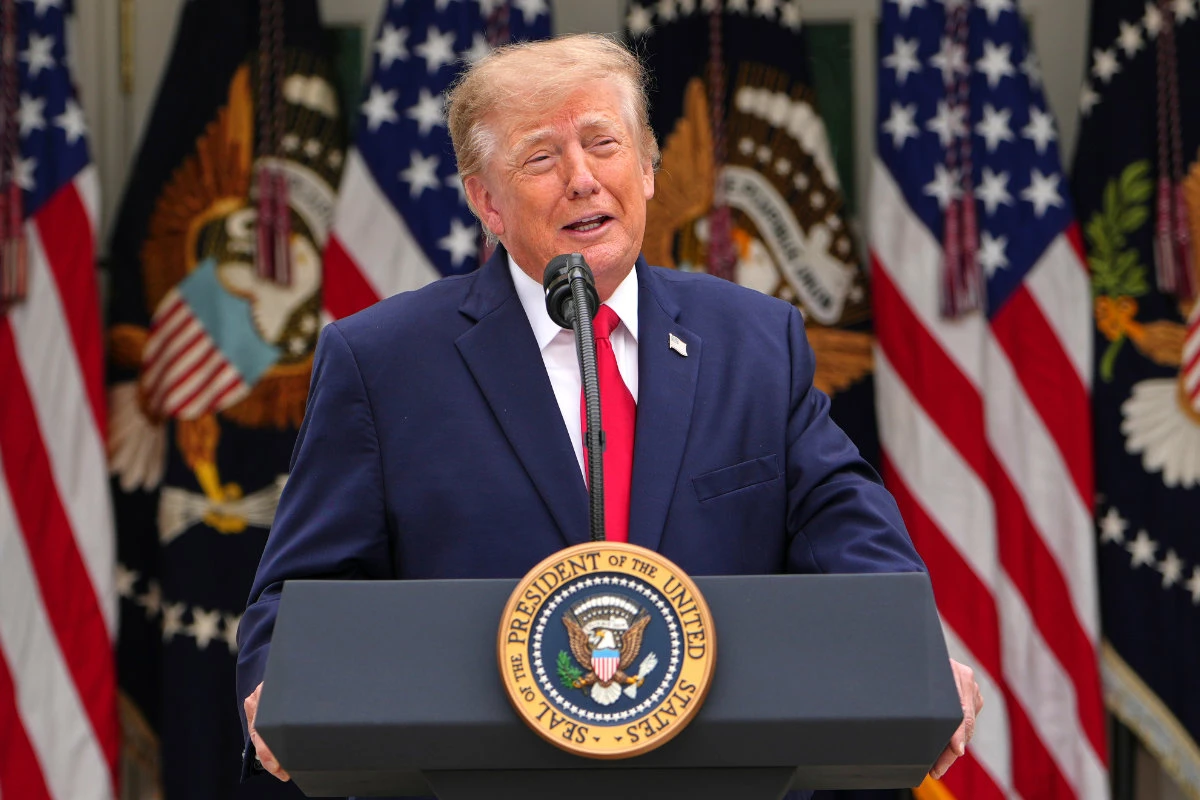
The treaty stressed a “shared commitment to the security of the Euro-Atlantic area, and underpinned by enhanced European contributions” — a nod to Trump, who has demanded European NATO members greatly increase military spending. Germany and the UK have both promised to raise defense spending to 3.5 percent of GDP in the coming years.
Merz, making his first trip to the UK since taking office in May, said it was “no coincidence” he traveled to London a week after Macron.
“The E3 – Great Britain, France and Germany — are converging in their positions on foreign policy, on security policy, on migration policy, but also on economic policy issues,” he said.
Weapons for Ukraine
Merz and Starmer discussed ways to boost European support for Ukraine, following Trump’s announcement of a plan to bolster Kyiv’s stockpile by selling American weapons to NATO allies who would in turn send arms to Kyiv.
Merz signaled that those plans are still a work in progress, saying it might take “days, perhaps weeks” before weapons reach Ukraine.
He said that “above all, we need clarity on how weapons systems that are given up from the European side will be replaced by the US”
During the trip the leaders announced that German defense startup Stark, which makes drones for Ukraine, will open a factory in England. They also agreed to jointly produce defense exports such as Boxer armored vehicles and Typhoon jets, and to develop a deep precision strike missile in the next decade.
Starmer also praised Merz for his help curbing the smuggling gangs that brought 37,000 people across the English Channel from France in small boats in 2024, and more than 22,000 so far in 2025. Dozens have died attempting the journey.
Berlin agreed last year to make facilitating the smuggling of migrants to the UK a criminal offense, a move that will give law enforcement more powers to investigate the supply and storage of small boats to be used for the crossings.
Merz committed to adopting the law change by the end of the year, a move Starmer said “is hugely welcome.”
Student exchange trips
Starmer has worked to improve relations with Britain’s neighbors, strained by the UK’s acrimonious departure from the European Union in 2020. He has sought to rebuild ties strained by years of ill-tempered wrangling over Brexit terms, and worked to reduce trade barriers and to strengthen defense cooperation.
But he has ruled out rejoining the 27-nation bloc’s single market or customs union, and has been cool to the idea of a youth mobility agreement with the EU.
Britain and Germany agreed on a more limited arrangement that will make it easier for schoolchildren to go on exchange trips.
“I am glad we were able to reach an agreement so that schoolchildren and students can come to Britain more easily in the future, and the other way round can come to Germany more easily, so that the young generation in particular has an opportunity to get to know both countries better,” Merz said.