Taliban deny arresting or monitoring Afghans after UK data leak

Thousands of Afghans who worked with the UK government were brought to Britain in a secret relocation programme after a huge 2022 data breach, a minister revealed Tuesday.
Short Url
Updated 17 July 2025
Follow

Taliban deny arresting or monitoring Afghans after UK data leak

  • The Taliban government said Thursday it had not arrested or monitored Afghans involved in a secret British resettlement plan

KABUL: The Taliban government said Thursday it had not arrested or monitored Afghans involved in a secret British resettlement plan after a data breach was revealed this week.

Thousands of Afghans who worked with the UK were brought to Britain with their families in a secret program after a 2022 data breach put their lives at risk, the British government revealed on Tuesday.

The scheme was only revealed after the UK High Court on Tuesday lifted a super-gag order banning any reports of the events.

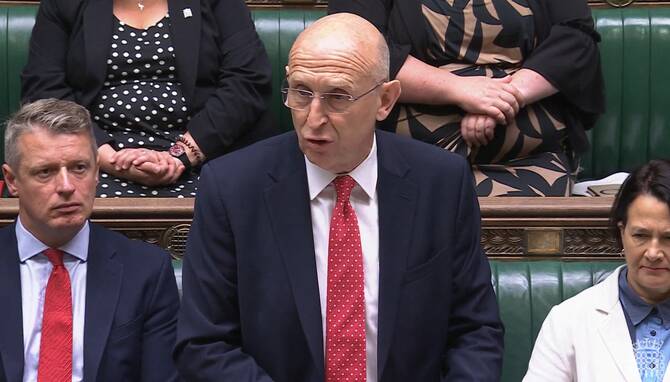
UK Defense Minister John Healey said the leak was not revealed because of the risk that the Taliban authorities would obtain the data set and the lives of Afghans would be put at risk.

“Nobody has been arrested for their past actions, nobody has been killed and nobody is being monitored for that,” said the Afghan government’s deputy spokesman, Hamdullah Fitrat, in a voice message to reporters on Thursday.

“Reports of investigation and monitoring of a few people whose data has been leaked are false.”

After the Taliban swept back to power in 2021, their Supreme Leader Hibatullah Akhundzada announced an amnesty for Afghans who worked for NATO forces or the ousted foreign-backed government during the two-decade conflict.

“We don’t need to use the leaked documents from Britain. Regarding the general amnesty, nobody is investigated or monitored,” Fitrat added.

“The rumors being spread are just to scare these people and create fear and worry among their families, which we deny.”


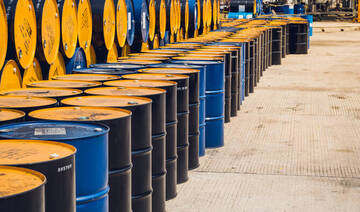
Russia diverts its naphtha from Oman due to Middle Eastern crisis, data shows​

Updated 5 sec ago
Follow

Russia diverts its naphtha from Oman due to Middle Eastern crisis, data shows​

  • Strikes have disrupted energy production and shipping, including naphtha loadings and discharges
  • Since the European Union’s full embargo on Russian oil products took effect in February 2023, most Russian naphtha has been directed to the Middle East and Asia

MOSCOW: Russia has diverted its naphtha cargoes from Oman amid the Middle East crisis as it looks for new buyers, traders said and LSEG data showed, with at least one tanker now heading for Singapore.
Iran’s strikes on Gulf countries in retaliation for Israeli and US strikes against it have disrupted energy production and shipping, including naphtha loadings and discharges.
Since the European Union’s full embargo on Russian oil products took effect in February 2023, most Russian naphtha has been directed to the Middle East and Asia.
Middle Eastern countries are also the top ⁠supplier to Asia ⁠with the recent disruption forcing Asia’s naphtha margin to four-year highs, while at least one South Korean naphtha cracker operator was considering declaring force majeure and another has cut its operating rate by around a fifth.
The Liberia-flagged tanker, Amfitrion, which loaded in February in the Russian Black Sea ⁠port of Novorossiysk destined for Oman, last week halted navigation near the Gulf of Masira and on Tuesday turned for Singapore, according to LSEG data.
Five middle-sized tankers carrying a total 180,000 metric tons of naphtha in January departed Russian ports for an offshore STS (ship-to-ship) berth near Oman’s Shinas, shipping data showed. The final destination of these cargoes remains unknown.
According to data from LSEG and traders, Russia also sent two cargoes to Oman’s Sohar in November-December, ⁠carrying a total ⁠of 190,000 tons of naphtha as its other markets dried up.
India and Taiwan were among the main Asian buyers of Russian naphtha, but recent US sanctions have prompted both countries to pull back. Exports to Venezuela have also fallen to zero this year after US President Donald Trump in December ordered a blockade on all sanctioned oil tankers entering or leaving the Latin American country.
Though Asian buyers face naphtha shortages, Western sanctions could force traders to shun Russian cargoes. The long navigation from Russia’s Baltic ports to Asia also prevents prompt shipments, market sources said.