


MOSCOW: Russian authorities have confiscated assets worth some $50 billion over the past three years, underscoring the scale of the transformation into a “fortress Russia” economic model during the war in Ukraine, research showed on Wednesday.
The conflict has been accompanied by a significant transfer of assets as many Western companies fled the Russian market, others’ assets were expropriated and the assets of some major Russian businesses were seized by the state.
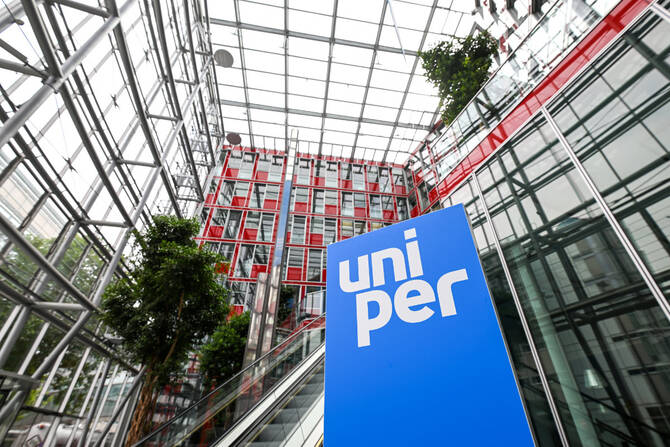
In response to what Russia called illegal actions by the West, President Vladimir Putin signed decrees over the past three years allowing the seizure of Western assets, entangling firms ranging from Germany’s Uniper to Danish brewer Carlsberg.
Besides the Western assets, major domestic companies have changed hands on the basis of different legal mechanisms including the need for strategic resources, corruption claims, alleged privatization violations, or poor management.
Moscow law firm NSP (Nektorov, Saveliev & Partners) said that the scale of what it called the “nationalization” amounted to 3.9 trillion roubles over three years, and it listed the companies involved.
The research was first reported by Kommersant, one of Russia’s leading newspapers, which said it illustrated a “fortress Russia” economic model.
The 1991 break-up of the Soviet Union ushered in hopes that Russia could transform into a free-market economy integrated into the global economy, but vast corruption, economic turmoil and organized crime undermined confidence in democratic capitalism through the 1990s.
Putin, in his first eight years in power, supported economic freedoms, targeted some so-called oligarchs and presided over a significant growth of the economy to $1.8 trillion in 2008 from $200 billion in 1999.
In the 2008-2022 period, the economy grew to $2.3 trillion, though Western sanctions hit it hard after Russia annexed Crimea from Ukraine in 2014, according to figures from the International Monetary Fund.
Though the Russian economy has performed better than expected during the war in Ukraine, its nominal dollar size in 2024 was just $2.2 trillion, according to IMF figures, much smaller than China, the European Union or United States.
‘Fortress Russia’
Russian officials say that the Ukraine war — the biggest confrontation with the West since the depths of the Cold War — has demanded extraordinary measures to prevent what they say was a clear Western attempt to sink the Russian economy.
Putin says the exit of Western firms has allowed domestic producers to take their place and that the Western sanctions have forced domestic business to develop. He has called for a “new development model” distinct from “outdated globalization.”
But the wartime economy, geared toward producing weapons and supporting a long conflict with Ukraine, has put the state — and those officials who operate it — in a much more powerful position than private Russian businesses.
Russian prosecutors are now seeking to seize billionaire Konstantin Strukov’s majority stake in major gold producer Uzhuralzoloto (UGC) for the state.
More than a thousand companies — from McDonald’s to Mercedes-Benz — have left Russia since the February 2022 start of Russia’s war in Ukraine by selling, handing the keys to existing managers or simply abandoning their assets.
Others had their assets seized and a sale forced through.


