

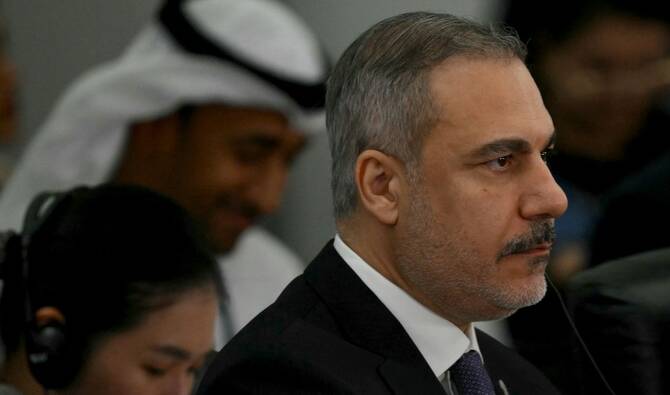
ISLAMABAD: Pakistan’s Deputy Prime Minister and Foreign Minister Mohammad Ishaq Dar on Friday chaired a high-level inter-ministerial meeting to review and strengthen trade and economic relations with the European Union, as Islamabad scrambles to safeguard market access following India’s new trade deal with the bloc.
The meeting is part of a broader diplomatic and policy push this week after India and the EU confirmed a free trade agreement granting Indian exporters sweeping tariff-free access to Europe — a development Pakistani exporters and analysts warn could erode Pakistan’s competitiveness, particularly in textiles, its largest export sector.
The EU is Pakistan’s second-largest export market, accounting for about $9 billion in annual shipments, mostly textiles and apparel. Industry leaders have warned that India’s tariff-free access could undercut Pakistan’s long-standing advantage under the EU’s Generalized Scheme of Preferences Plus (GSP+), which allows duty-free access in return for commitments on labor rights, human rights and governance.
At Friday’s meeting, Dar emphasized the centrality of GSP+ to Pakistan’s trade strategy with Europe.
“He emphasized that GSP Plus remains a crucial framework for mutually beneficial trade and underlined the need to maximize its potential for Pakistan’s economic growth,” the Foreign Office said in a statement.
Dar also stressed the importance of enhancing trade cooperation with the EU and exploring new avenues for economic engagement, as Pakistan assesses how to respond to shifting trade dynamics in Europe.
The inter-ministerial huddle follows a series of rapid consultations this week, including a meeting between Prime Minister Shehbaz Sharif and the EU’s ambassador to Pakistan, as well as briefings by trade bodies to Finance Minister Muhammad Aurangzeb on the potential impact of the India–EU agreement.
Exporters have warned that unless Pakistan lowers production costs, particularly energy tariffs, and secures continued preferential access, the country could face declining market share in Europe and job losses across its labor-intensive textile sector.
Pakistan’s Foreign Office has said Islamabad is aware of the India–EU agreement and continues to view its trade relationship with the EU as mutually beneficial, but officials acknowledge that the new deal has intensified pressure to defend Pakistan’s position within the bloc.